










































































































































































































































































































































































































































































































































































































































































































































































































































































































































































































































































































































































































































































































































































































































































































































































































































































































































































































































































































































































Why Access Matters in Christchurch Apartment Moves

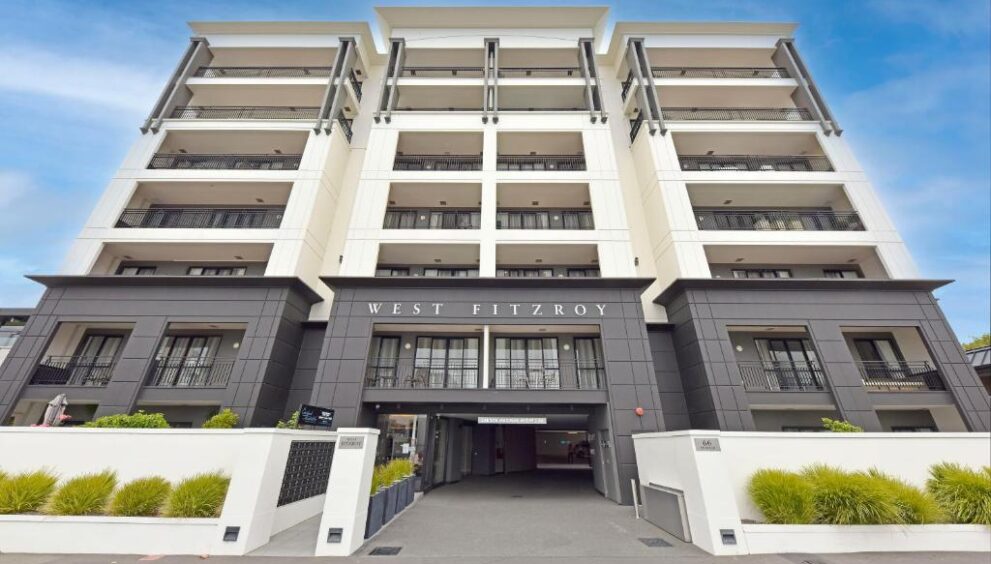
Moving into or out of an apartment in Christchurch isn’t just a scaled-down version of a house move. It introduces a unique set of logistical challenges where access becomes the single most important variable. From restricted parking to shared lifts and narrow internal layouts, the ability to get belongings from A to B safely and efficiently depends heavily on how well access is managed.
Access Determines Efficiency, Cost, and Risk
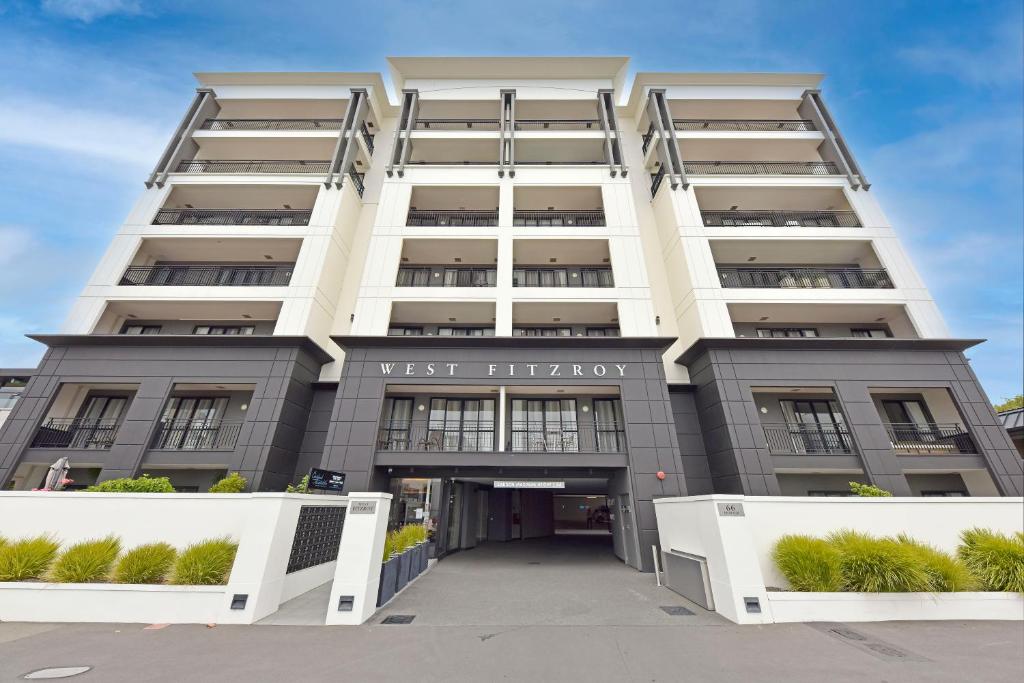
Unlike standalone houses with driveways or garages, apartments often involve multi-level buildings with limited loading options. Many Christchurch apartments, especially those in the CBD and fringe suburbs like Addington or Riccarton, offer minimal on-site parking and tight street layouts. Access affects how close a vehicle can park, how items are moved in and out, and how long the process takes.
Even small limitations, like a narrow staircase or a lift that can’t accommodate bulky appliances, can significantly slow the process. Disassembly, extra labour, or specialist tools may be required, increasing both cost and the risk of damage. To navigate these challenges, many turn to Christchurch furniture movers for home and apartment relocations, who are familiar with the city’s varied building layouts and know how to plan accordingly.
Poor Access Can Cause Delays and Rebookings
In buildings with shared amenities or strict strata rules, access isn’t always available on demand. Many modern apartment complexes require residents to book elevators or reserve specific move-in/out time slots. Failing to secure these can result in unanticipated delays, forcing movers to wait, reschedule, or even return another day—adding to the final bill.
Street-level access can be equally problematic. Christchurch’s city centre and denser suburbs have parking regulations that restrict large vehicles to specific loading zones and time limits. If movers arrive during a restricted period or are delayed mid-move due to traffic or weather, there may be penalties, fines, or interrupted access to the building.
Building Design Plays a Critical Role
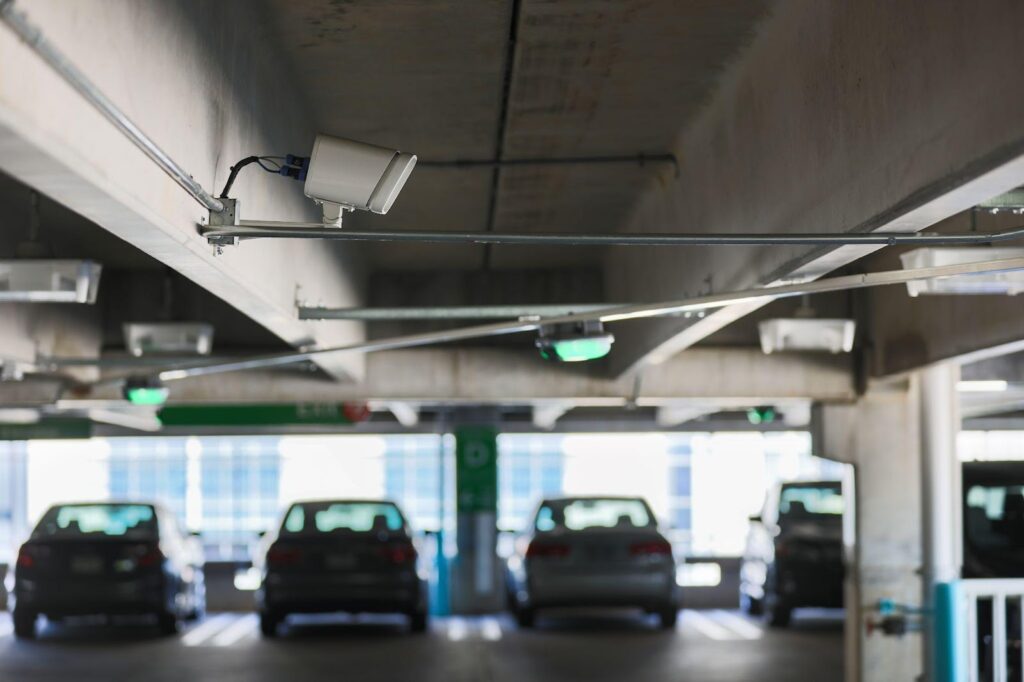
The physical design of a building directly impacts how accessible it is for movers. Older apartment blocks may lack lifts altogether, requiring items to be carried up several flights of stairs. In contrast, newer developments may have lifts but impose weight or height restrictions. Others may have underground carparks with low clearance, making it impossible for large trucks to enter.
Additionally, internal hallways, door frames, and turning circles within apartments often aren’t designed with large furniture in mind. In these cases, poor access means more manual handling and a higher risk of damage to both belongings and the building itself. For tenants, this can also mean losing part of the bond if walls or common areas are scuffed or dented.
Misjudged Access Leads to Higher Liability
When access is underestimated or miscommunicated, it becomes a liability rather than a minor inconvenience. If a truck can’t position close to the building or the equipment isn’t suited to stairs, on-the-spot changes slow the process and increase the risk of damage and injury—costs that often fall on the resident under body corporate rules.
Furthermore, the stress of a move is magnified when access problems cause cascading issues, such as being locked out of a lift booking window or holding up other building residents. That kind of friction can turn a planned two-hour job into a drawn-out and expensive ordeal. In central Christchurch, checking the council’s parking map in advance helps identify legal stopping points and avoid delays on move day.
Early Planning Around Access Prevents Problems
The key to avoiding access-related issues is to plan for them early. This means conducting a thorough site check (virtually or in person), measuring staircases and lifts, checking parking availability, and confirming any building restrictions ahead of time. Good movers will ask the right questions and adjust their vehicle size, tools, and manpower accordingly.
In Christchurch, this preparation is especially important due to the city’s growing density and mixed-age housing stock. What works in one building may not be possible in the next. Moves that succeed do so because access was taken seriously—not assumed.
Access Is Not an Afterthought
Apartment moves in Christchurch are defined less by the number of boxes and more by how, and where, those boxes can be moved. Access issues are not minor logistical details; they are central to whether a relocation is smooth or chaotic, cost-effective or unexpectedly expensive. Factoring in access from the beginning is the difference between a predictable move and one filled with avoidable setbacks.