



































































































































































































































































































































































































































































































































































































































































































































































































































































































































































































































































































































































































































































































































































































































































































































































































































































































































































































































































































































































The Benefits of Playing Spades in a Structured Digital Environment


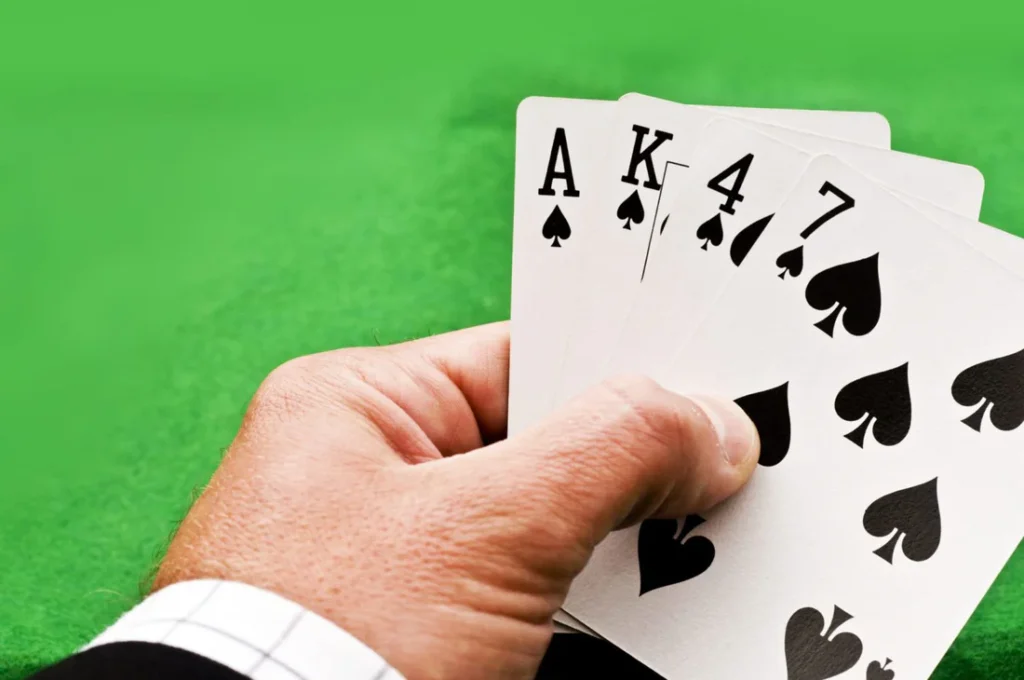
Playing Spades online can be more than a convenient substitute for a table and a deck. In a structured digital environment like https://solitaire.net/spades, you get consistent rules, instant scoring feedback, and repeatable practice conditions. That combination makes it easier to build accurate bidding, cleaner trick planning, and better attention control than “sometimes” game nights.
How does a structured digital setup make Spades easier to learn without simplifying the game?
A structured digital setup helps because it standardizes rules, enforces legal plays, and presents scoring clearly after each hand. Instead of debating house rules, beginners learn the actual mechanics: bidding is locked, spades are trump, and spades cannot be led until “broken.” That consistency speeds up skill-building.
Spades is conceptually simple, but the details matter. On solitaire.net, the rules are explicit: each player bids 0–13, bids cannot be changed once placed, and success means taking exactly the number of tricks you promised.
Digital enforcement also reduces early frustration. If you must follow suit, the game makes you do it. If you are void in the led suit, you can discard or trump with a spade. That means less time arguing about legality and more time learning the logic behind good play.
The “broken spades” rule is another example where standardization helps. Spades are trump, but they cannot be led until someone has played a spade to trump a prior trick (unless a player only has spades left). In person, groups vary on this. In a structured digital version, you learn one coherent system and build reliable instincts.
Why does instant scoring feedback accelerate improvement in bidding and risk control?
Instant scoring accelerates learning because it links decisions to outcomes immediately. Spades scoring punishes missed bids, rewards accuracy, and tracks “bags” (overtricks) that can lead to major penalties. When you see the point impact right after a hand, you adjust bidding behavior faster than you would from vague memory later.
Spades is a contract game in disguise. You are not simply trying to win tricks; you are trying to win the right number. On solitaire.net’s rules, making your bid earns 10 points per trick bid, extra tricks earn 1 point each as “bags,” and missing your bid costs 10 points per trick short.
That structure is ideal for deliberate practice because it highlights two common beginner errors:
- Overbidding: You get set quickly, and the cost is obvious.
- Underbidding: You “win” extra tricks and accidentally rack up bags.
The bag system makes risk control concrete. Accumulate 10 bags and you take a 100-point penalty. A structured digital environment keeps that accounting precise, which nudges players toward stable, competitive habits: bid realistically, take tricks intentionally, and avoid sloppy overtricks.
Nil bids are also clearer when scoring is immediate. A nil bid (0 tricks) is +100 if successful and –100 if you take even one trick. In a digital format, you can experiment with nil conditions and quickly learn what “safe” actually looks like.
How does digital Spades train attention and working memory more efficiently than casual play?
Digital Spades trains attention efficiently because it encourages a small, repeatable set of tracked cues each trick: trump state, contract math, and suit shortages. Working memory has a central capacity limit often described as around 3–5 chunks (about four on average), so structured play rewards simplification and consistent updating rather than trying to remember everything.
Spades feels “mental” because it forces you to update your plan every trick while information is incomplete. But strong play is not about tracking 52 cards. It is about tracking a few high-value variables.
That matches what cognitive research suggests about working memory. Cowan’s review argues for a central capacity limit averaging about four chunks, and related discussions often frame it as 3–5 chunks depending on conditions.
A structured digital environment helps because it lets you rehearse the same compact checklist hand after hand:
- Are spades broken yet, and how many trumps have shown?
- Are you on pace to hit your bid, or drifting into bags?
- Who seems void in a suit, meaning they can trump when that suit is led?
This is one of the hidden benefits of “structured” digital play: fewer distractions about procedure, more repetitions of the same cognitive skill loop.
How can playing Spades digitally fit into a healthy “micro-break” routine for productivity?
Spades can fit a micro-break routine if it is strictly time-boxed and ends on a clear boundary, like the end of a hand. Research on micro-breaks suggests short breaks between tasks can improve well-being outcomes such as vigor and fatigue, with performance effects depending on context. Structure matters more than length.
A structured digital Spades session has natural stop points: a trick ends, a hand ends, and scoring posts immediately. That makes it easier to avoid the “endless scroll” problem where a break has no boundary.
Micro-break evidence supports the idea that short, defined breaks can help people feel less depleted. Albulescu and colleagues’ 2022 meta-analysis examined micro-breaks and their effects on vigor, fatigue, and performance across the literature.
If you want Spades to act like a reset rather than a derailment, the method is simple:
- Play one hand set or use a strict 8–10 minute timer.
- Stop at the end of a round, not mid-round.
- Return to a specific next action (one email, one paragraph, one task).
The goal is not “more gaming.” The goal is controlled cognitive switching, then returning on time.
What practical habits help beginners get the most benefit from structured digital Spades?
The most useful habits are measurable: bid conservatively, track bags deliberately, and review one decision after each session. Because digital play keeps rules and scoring consistent, you can treat each game like a repeatable experiment. Over time, you reduce missed bids, avoid bag penalties, and improve trump timing reliably.
If your goal is steady improvement, focus on three beginner-proof behaviors grounded in the scoring system:
- Bid what your hand can consistently deliver (bids are locked).
- Avoid accidental bags by planning how you will “dump” high cards safely when you are already ahead of your bid.
- Treat spades as a control tool, not a reflex. Remember you typically cannot lead spades until they are broken.
Then add a 30-second review: “What did I bid, what did I actually take, and what caused the gap?” That’s the advantage of a structured digital environment. It turns Spades into a feedback-driven practice loop instead of a fuzzy memory of what “felt” wrong.
If you want to practice with consistent rules, automatic scoring, and clean session boundaries, use https://solitaire.net/spades.