












































































































































































































































































































































































































































































































































































































































































































































































































































































































































































































































































































































































































































































































































































































































































































































































































































The Beginner’s Guide to Bronzer: Where to Apply It

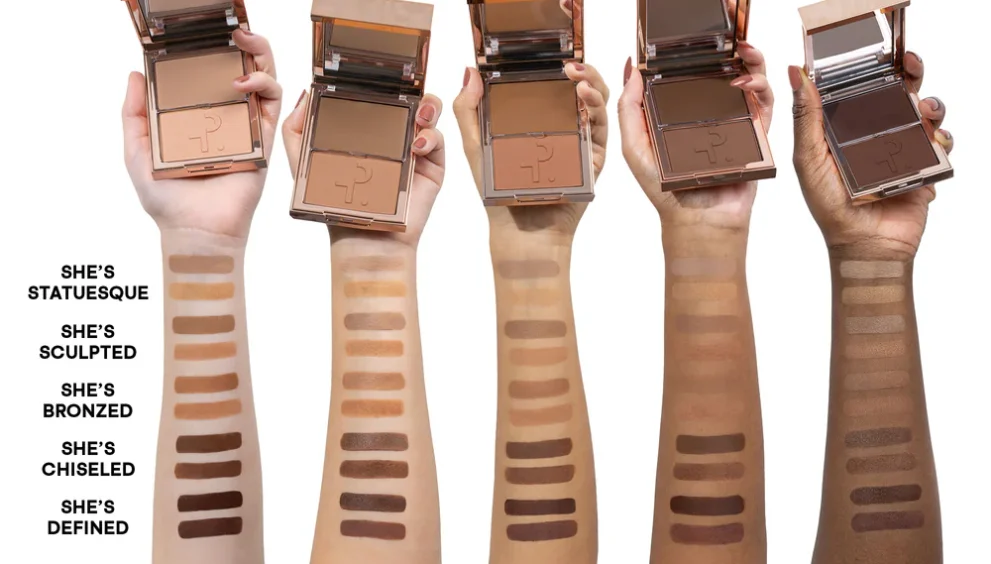
Bronzer is one of the easiest ways to add warmth and dimension to the complexion, but many beginners aren’t sure exactly where it should go. While bronzer and contour products are often mentioned together, they serve different purposes in a makeup routine. Understanding the difference between the two—and learning how bronzer placement can enhance facial structure—can help you achieve a more balanced, natural-looking finish.
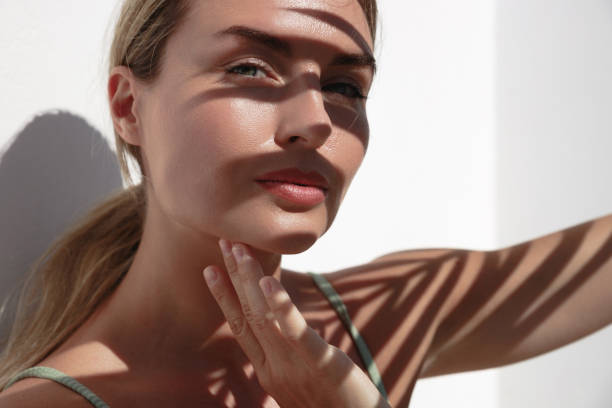
A well-applied bronzer can bring life to the skin, create a sun-kissed glow, and add subtle definition to the face. When paired with a well-prepped base, bronzer helps tie the entire complexion together and gives makeup a polished, professional appearance.
The Difference Between Contour and Bronzer
Although bronzer and contour are sometimes confused, they are designed for different effects. Bronzer is meant to add warmth to the skin and mimic the look of a natural tan. Contour, on the other hand, is designed to sculpt and define facial structure by creating shadows.
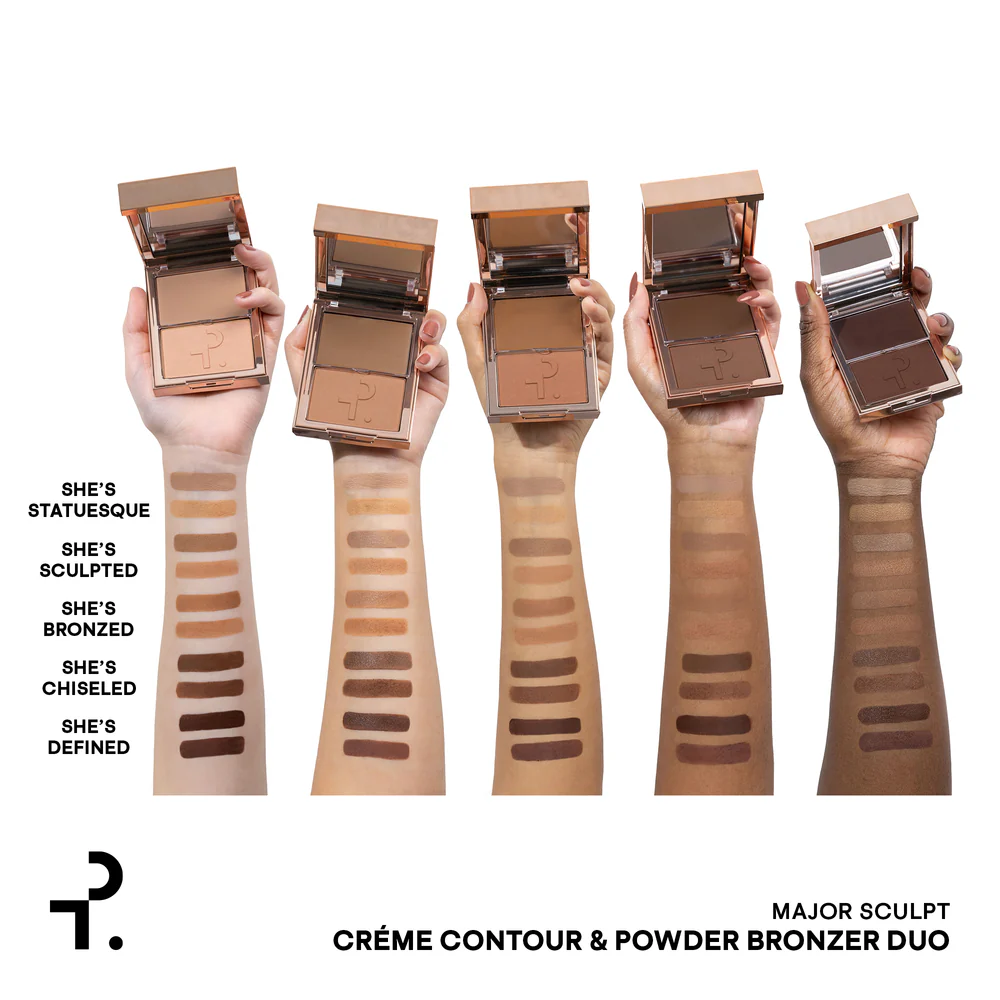
Bronzer shades typically have warm undertones such as golden, caramel, or terracotta hues. These colors are meant to reflect where the sun naturally hits the face. Contour products usually feature cooler undertones that replicate natural shadows, which helps define cheekbones, jawlines, and other facial features.
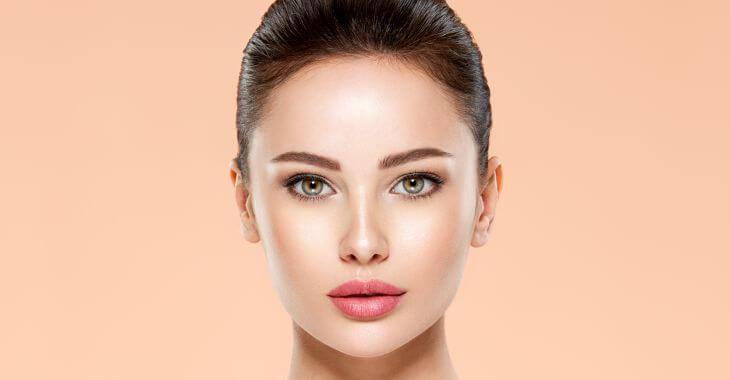
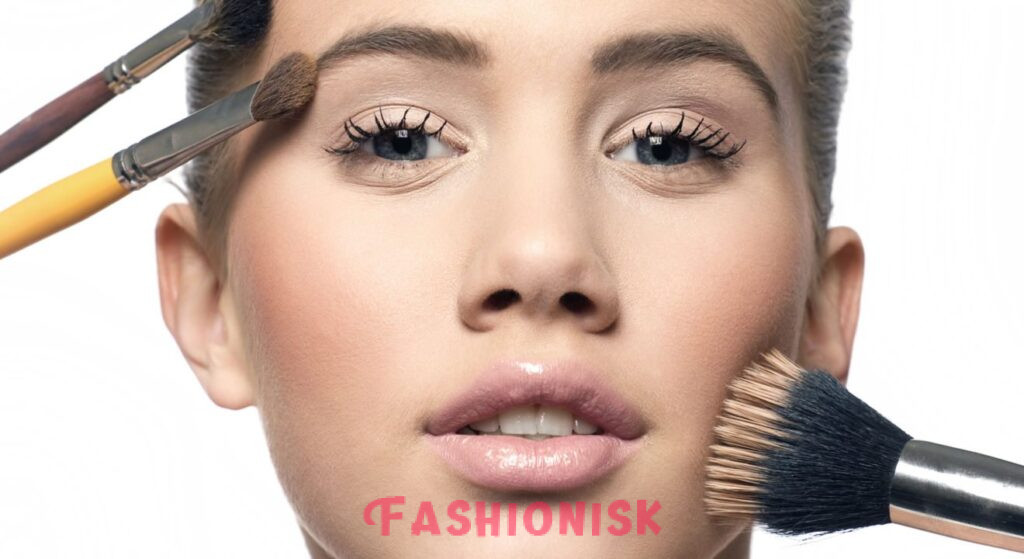
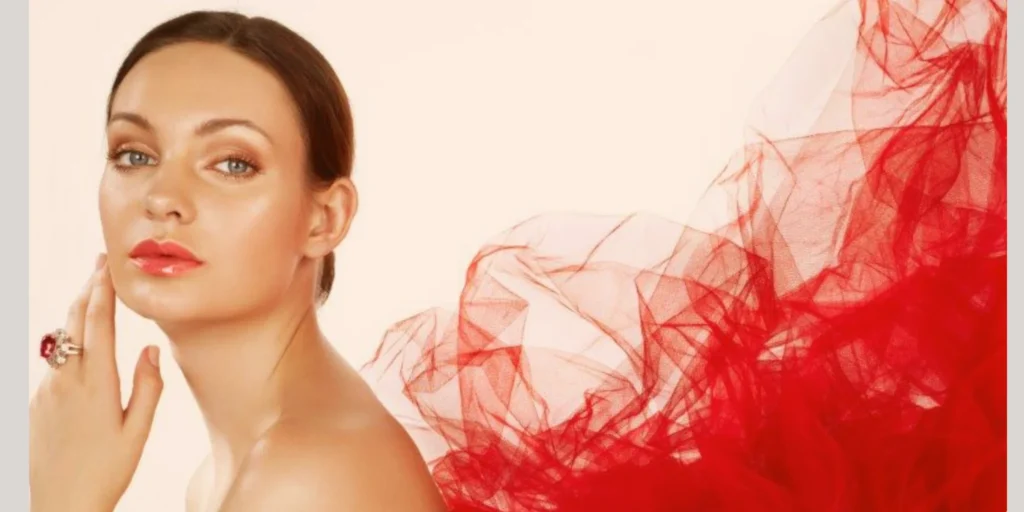
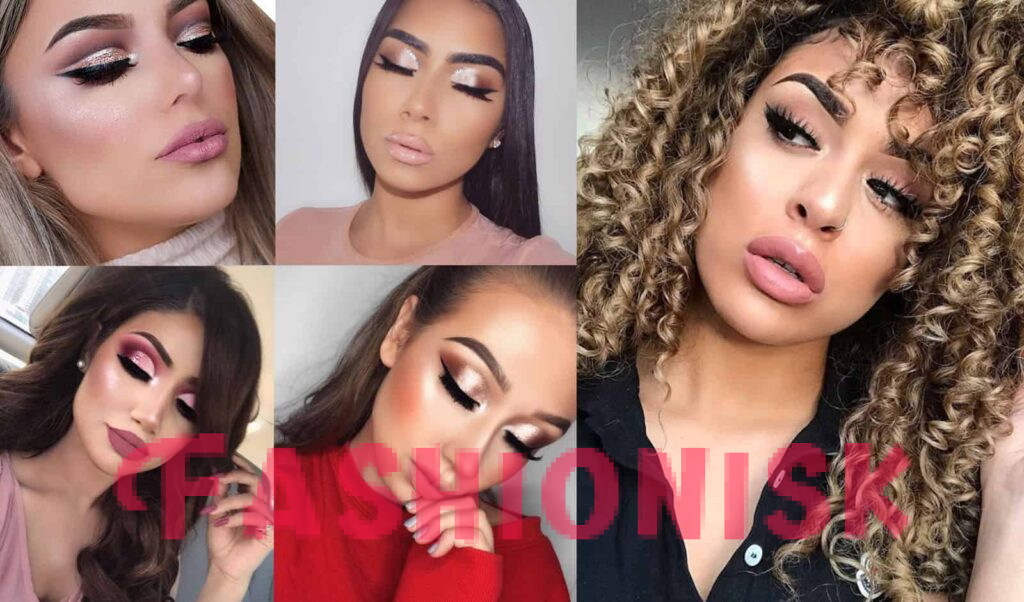
When applying bronzer, the goal is to bring warmth and dimension to the complexion rather than dramatically reshape the face. Bronzer is often applied to areas like the temples, upper cheekbones, and along the hairline to create a sun-kissed effect.
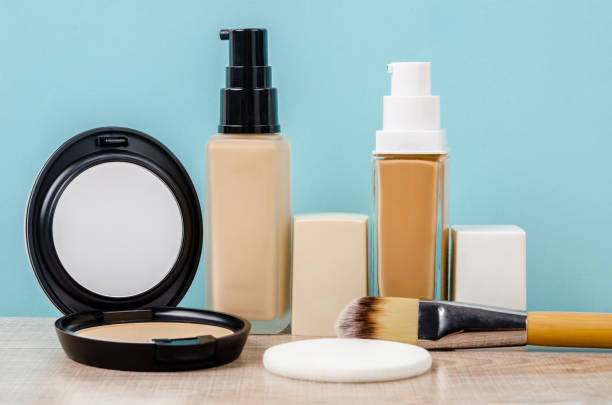
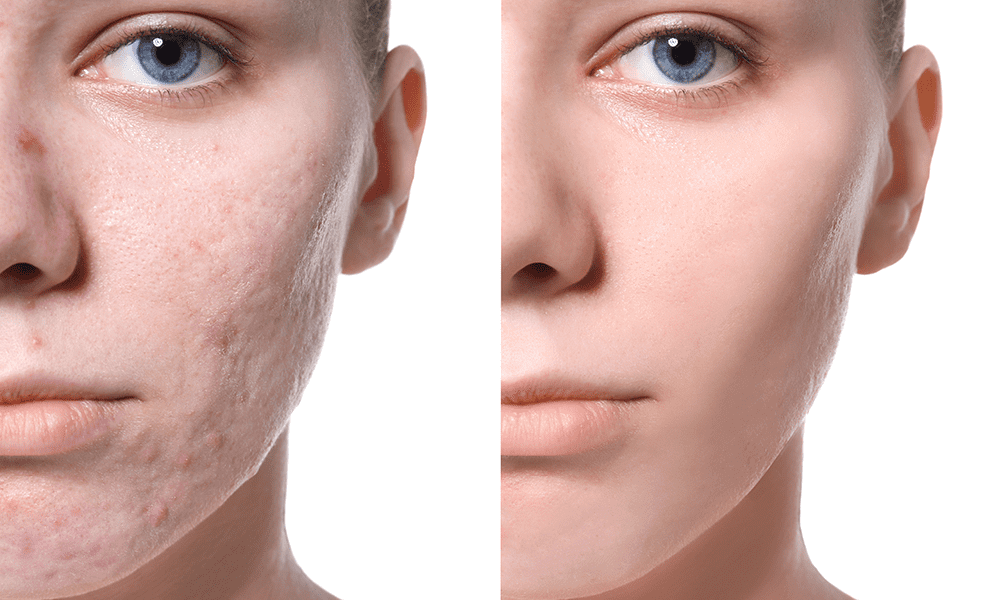
A smooth base is essential before applying bronzer so the product blends seamlessly into the skin. Many makeup artists start with foundation makeup to create an even complexion before adding dimension with bronzer and other sculpting products.
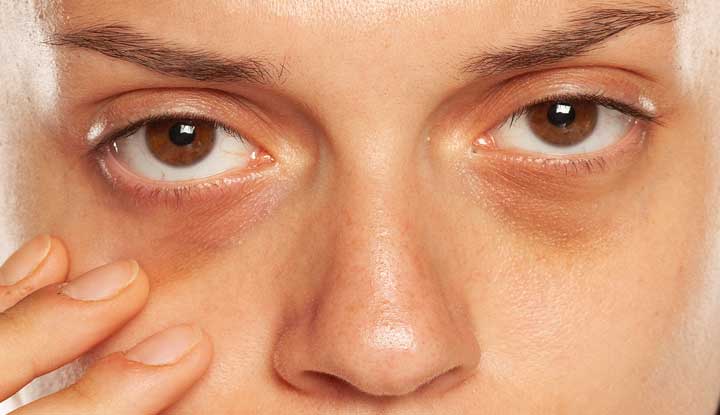
Using concealer can also help brighten key areas of the face, such as under the eyes or the center of the forehead. This contrast between bright and warm tones allows bronzer to stand out while still looking natural and balanced.
Bronzer Placement for Different Face Shapes
While bronzer placement can vary depending on personal preference, understanding how face shape influences placement can help enhance natural features.
For oval face shapes, bronzer can be applied lightly along the temples and cheekbones to emphasize natural symmetry. Because oval faces are already well balanced, the goal is simply to add warmth without over-defining the structure.
For round faces, bronzer is often placed slightly higher along the outer cheekbones and temples. Blending the product upward helps create the illusion of length while adding definition to the sides of the face.
Square face shapes can benefit from bronzer applied along the temples and jawline to soften stronger angles. Light blending across the upper cheekbones can also add warmth while maintaining balance.
Heart-shaped faces often look best with bronzer placed along the temples and lightly under the cheekbones. This placement helps balance a wider forehead with a narrower chin.
Ultimately, bronzer placement should enhance natural features rather than overpower them. With the right technique and well-blended application, bronzer can bring warmth, dimension, and a healthy glow to nearly any makeup look.