




















































































































































































































































































































































































































































































































































































































































































































































































































































































































































































































































































































































































































































































































































































































































































































































































































































































































































































How To Create Realistic Wedding Fitness Goals

Wedding planning often comes with added pressure to look a certain way. Between photos, events, and expectations, it’s normalized to feel like you need to completely transform your body before the big day.
First and foremost, it’s important to remember that you are perfect the way you are, and setting extreme fitness goals usually leads to frustration rather than results. However, if you want to feel your best on your wedding day, a more effective approach is to focus on realistic, sustainable changes that help you feel strong, energized, and comfortable. The goal is to walk down the aisle feeling like your best self.
Start With the Big Picture (Not Just the Dress)
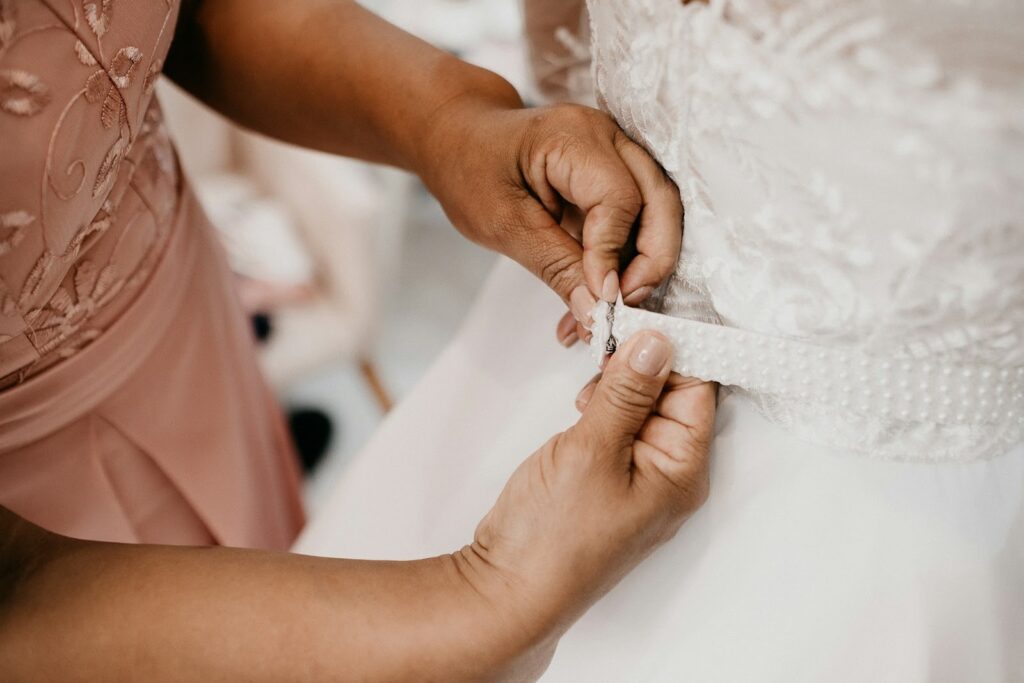
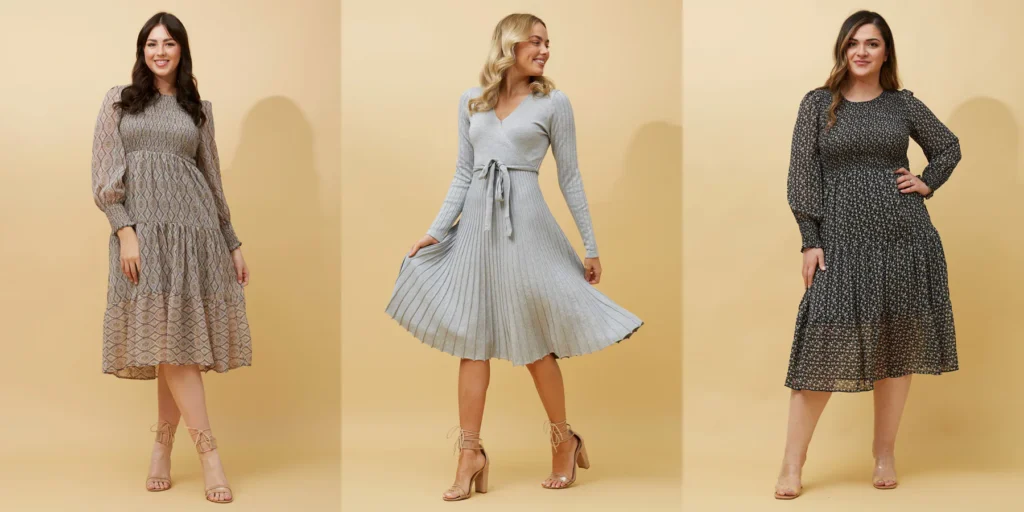
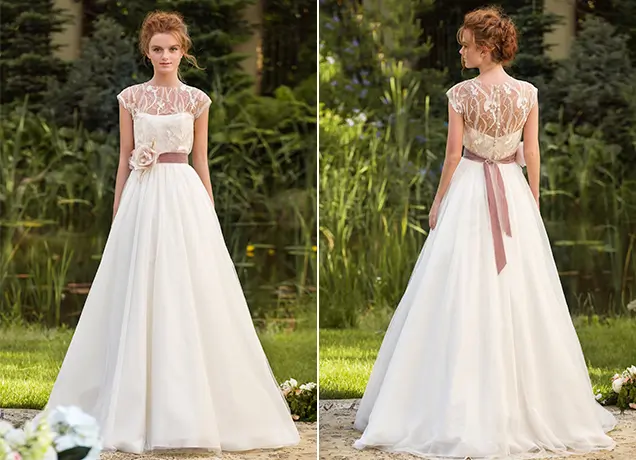
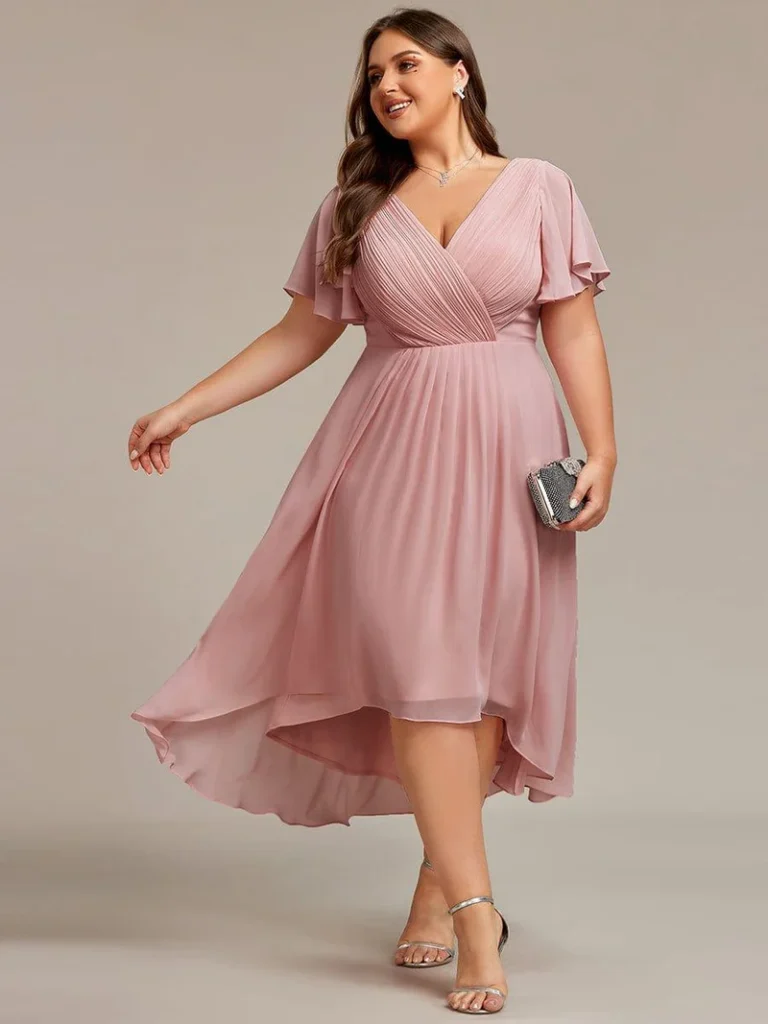
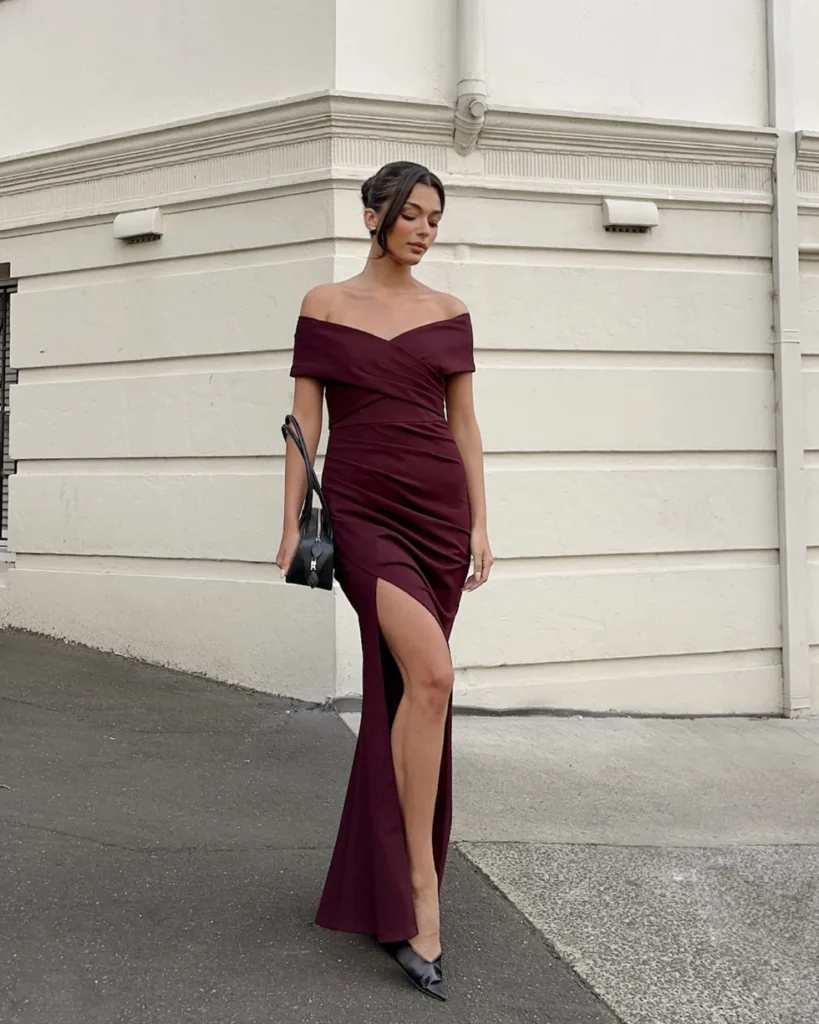
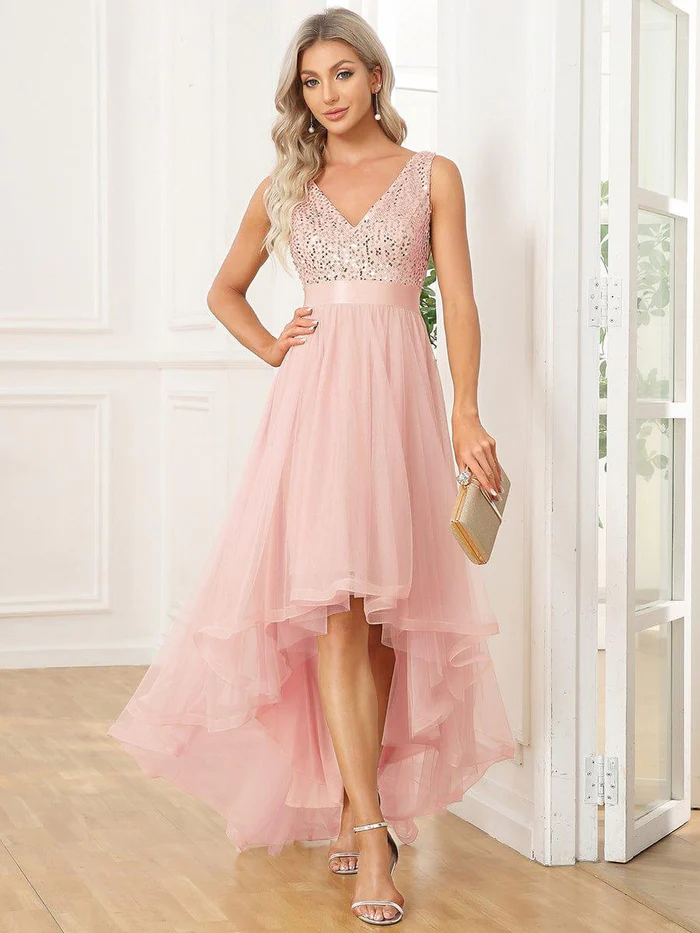
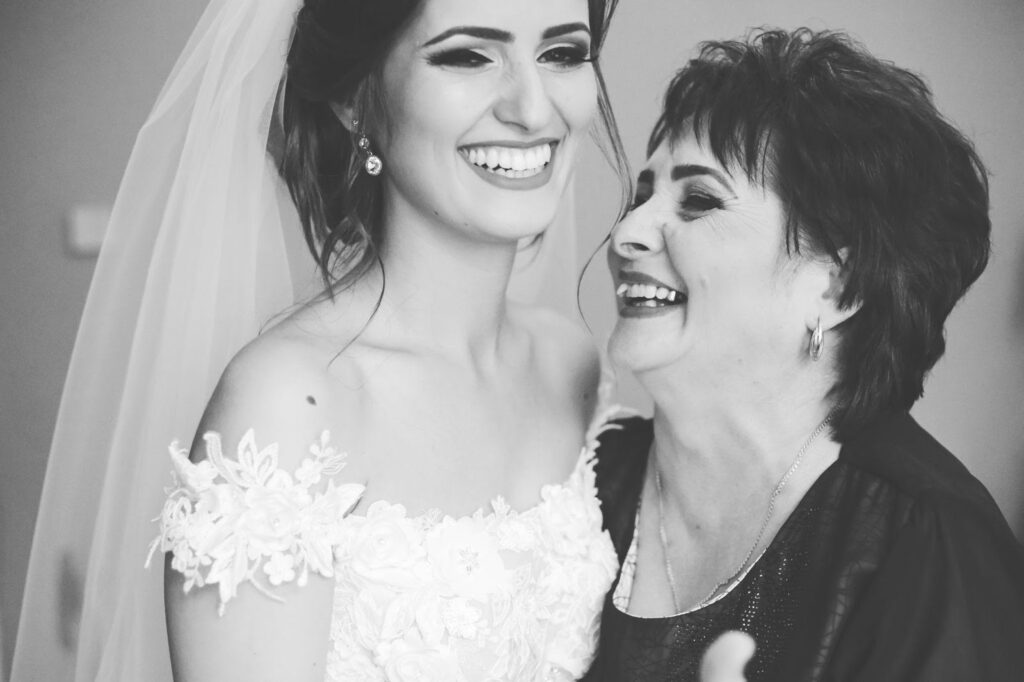
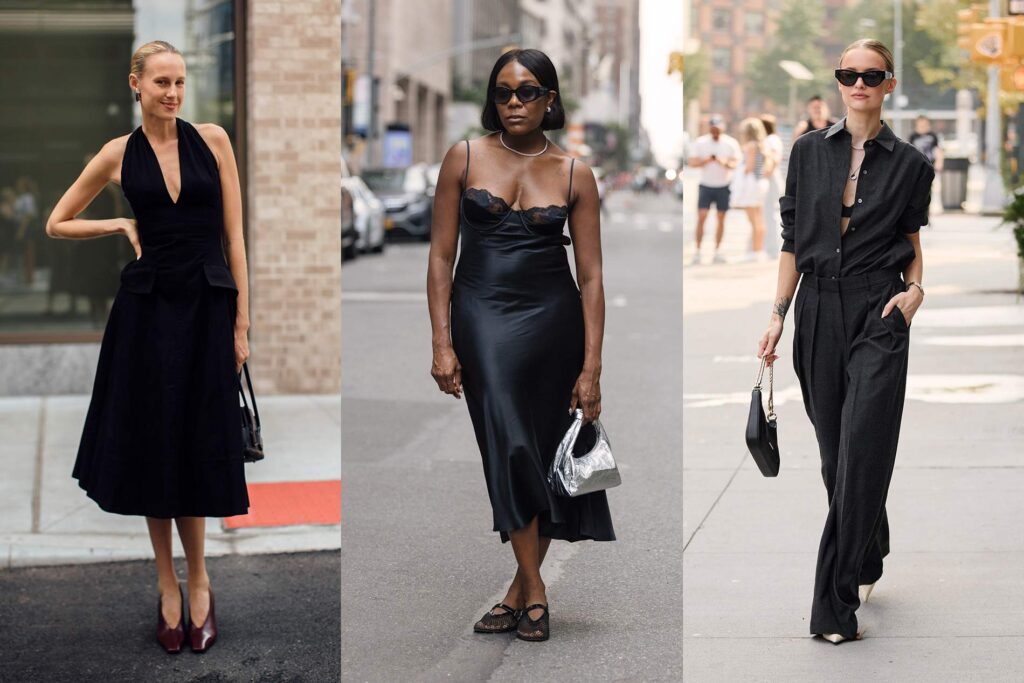
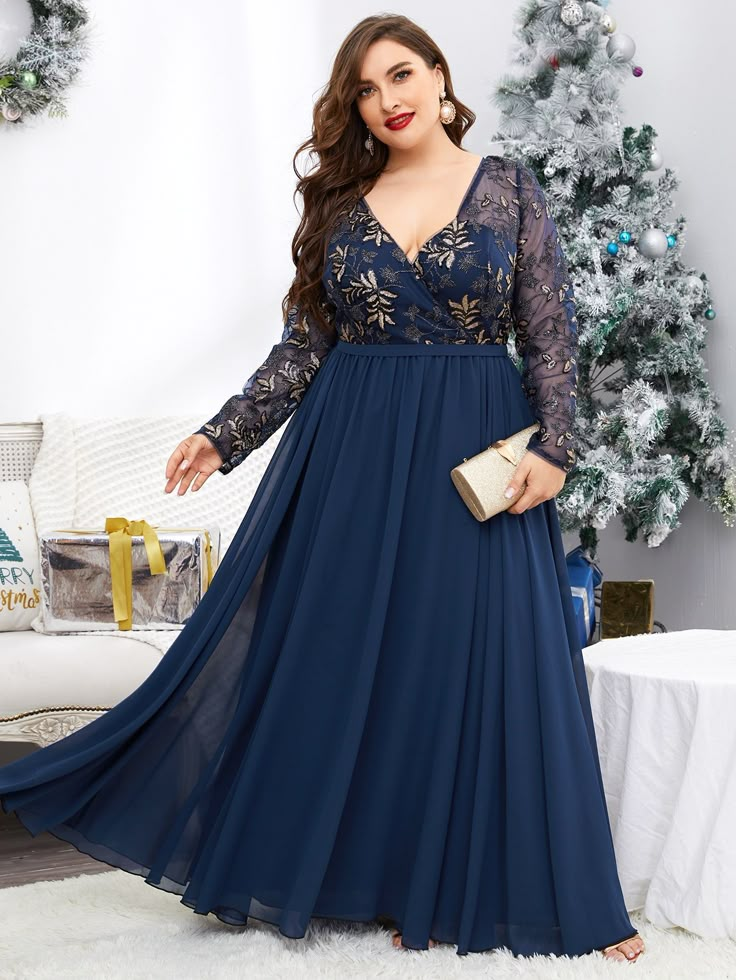
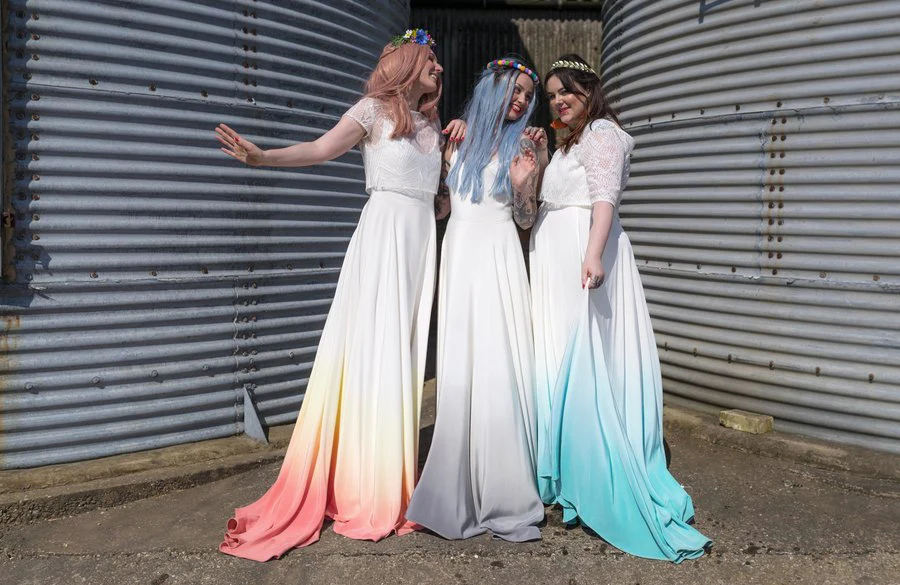
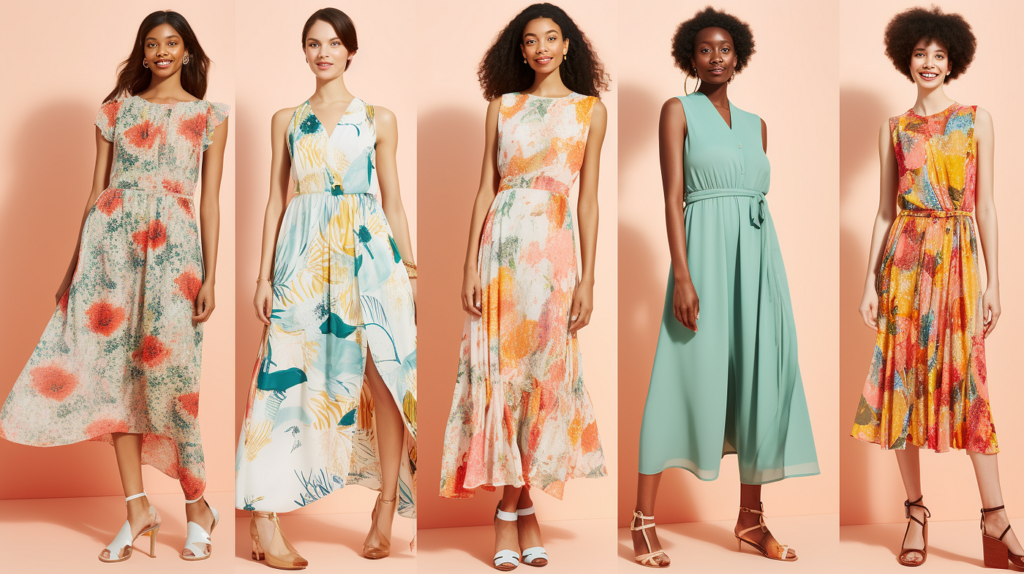
It’s common to tie fitness goals directly to appearance, especially when thinking about how you’ll look in photos. However, focusing only on aesthetics can make the process stressful and short-lived. Whether you’re the bride, part of the wedding party, or helping coordinate details like mother of the bride dresses, everyone benefits from shifting the focus beyond looks.
Think about how you want to feel on the wedding day. Energy, confidence, and comfort matter just as much as appearance. When fitness goals are tied to overall well-being instead of a single outfit, they’re easier to maintain and more meaningful.
Define What Realistic Means for You
Realistic goals depend on your individual situation. What works for someone else may not fit your timeline, schedule, or starting point. Before setting goals, consider a few key factors: how much time you have before the wedding, your current activity level, and how much time you can consistently commit each week.
For example, someone with six months and an established routine can take a different approach than someone starting from scratch with eight weeks to go. Being honest about your baseline helps you avoid setting goals that are difficult to maintain. Realistic, simple means achievable within your current lifestyle.
Set Clear, Flexible Goals
Clear goals provide direction, but they should also leave room for adjustments. Instead of focusing on aggressive targets like rapid weight loss, aim for consistent actions. For example, committing to three or four workouts per week or adding daily movement is more sustainable and easier to track.
Flexibility is important because wedding planning can disrupt routines. Travel, appointments, and unexpected tasks can make it difficult to follow a rigid plan. Setting adaptable goals allows you to stay consistent without feeling like you’ve failed when plans change.
Focus on Habits Over Quick Fixes
Short-term solutions like crash diets or intense workout programs may seem appealing, but they are difficult to maintain and often lead to burnout. Long-term habits are more effective and support steady progress.
Focus on building a routine that includes regular movement, balanced meals, and adequate rest. These habits not only support your fitness goals but also help manage stress during the planning process. Over time, consistent habits lead to better results than temporary, high-intensity efforts.
Curate a Routine You Actually Enjoy
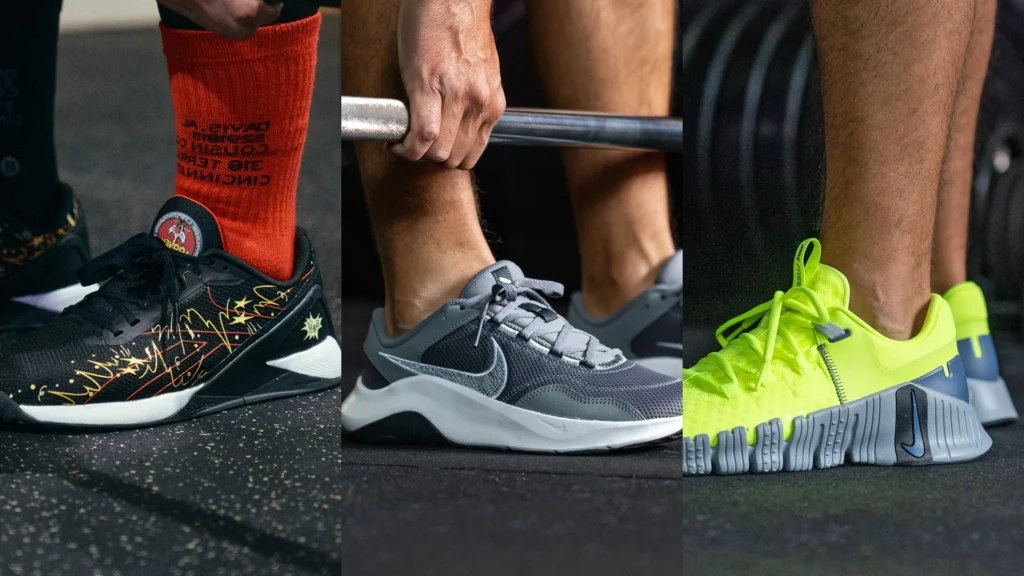
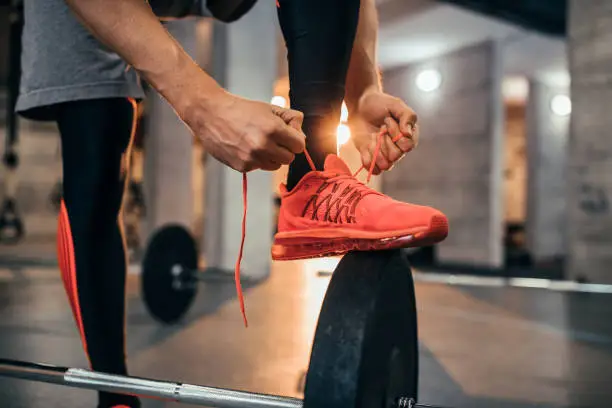
A routine is easier to maintain when it includes activities you don’t dislike. You don’t need to follow trends or choose workouts based on what others are doing. The most effective plan is one you can repeat consistently.
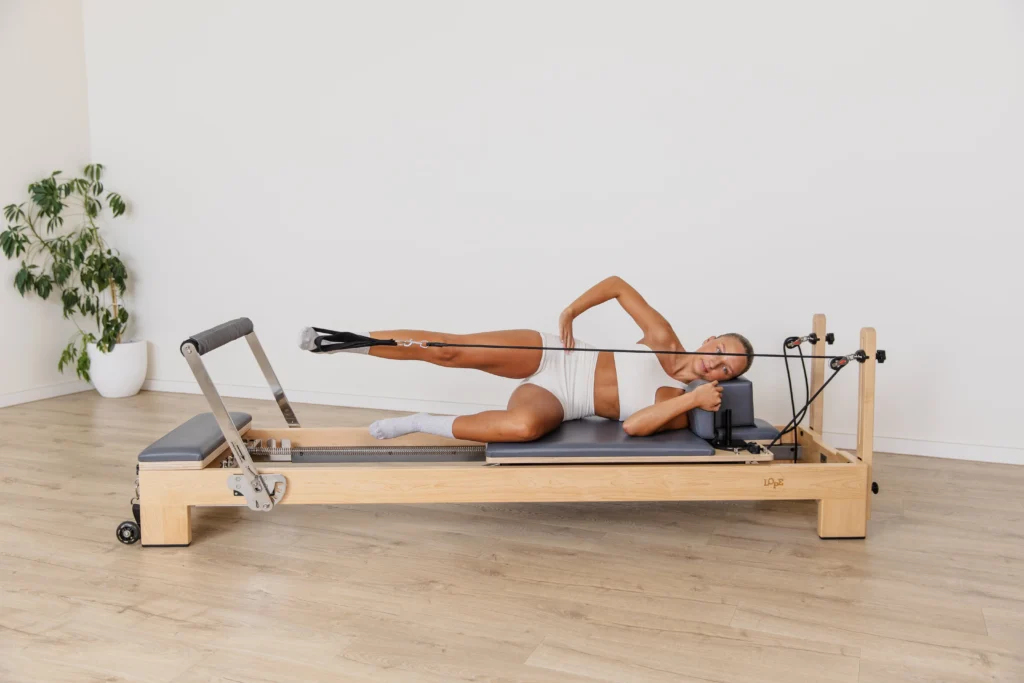
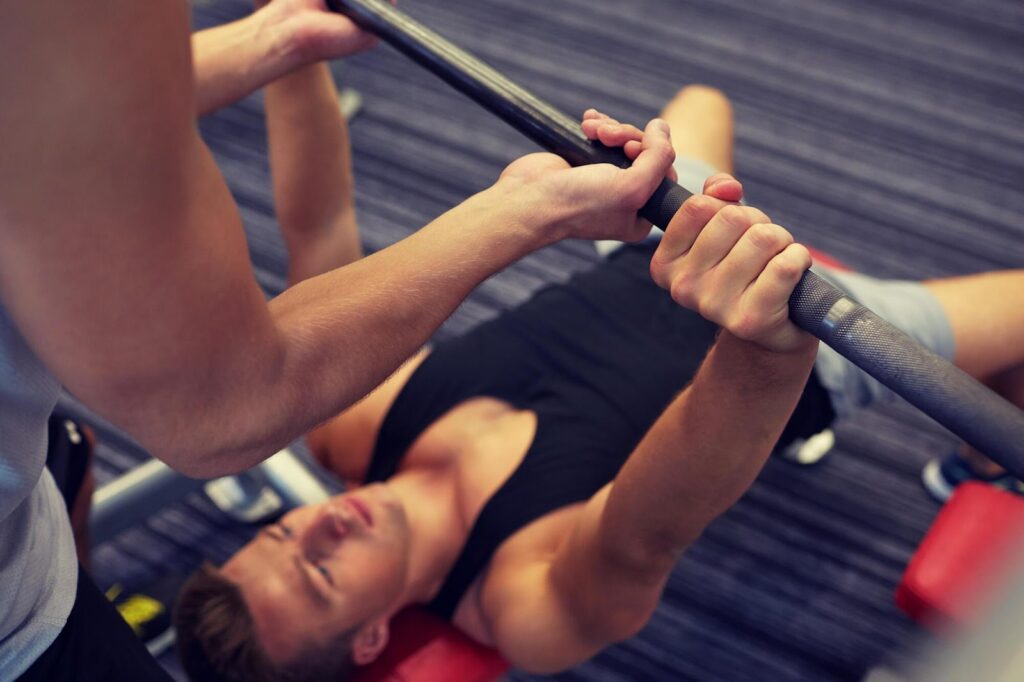
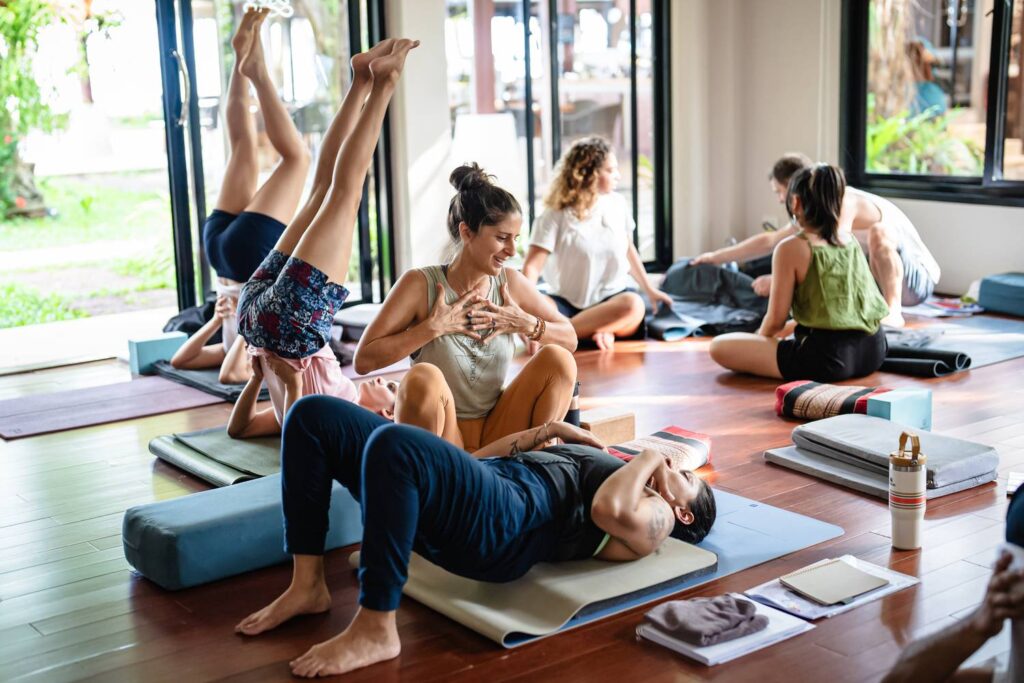
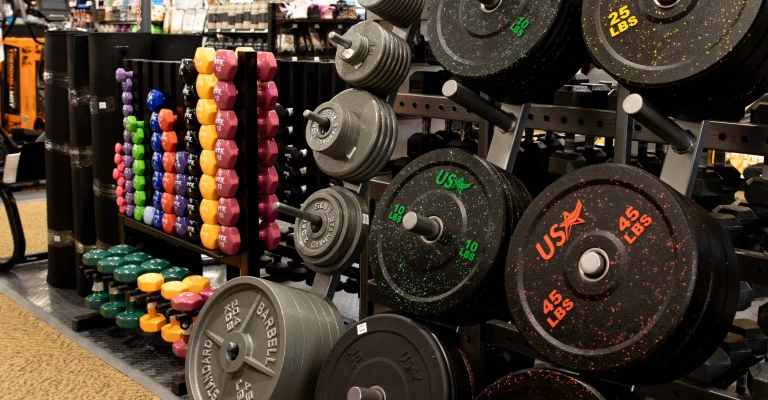
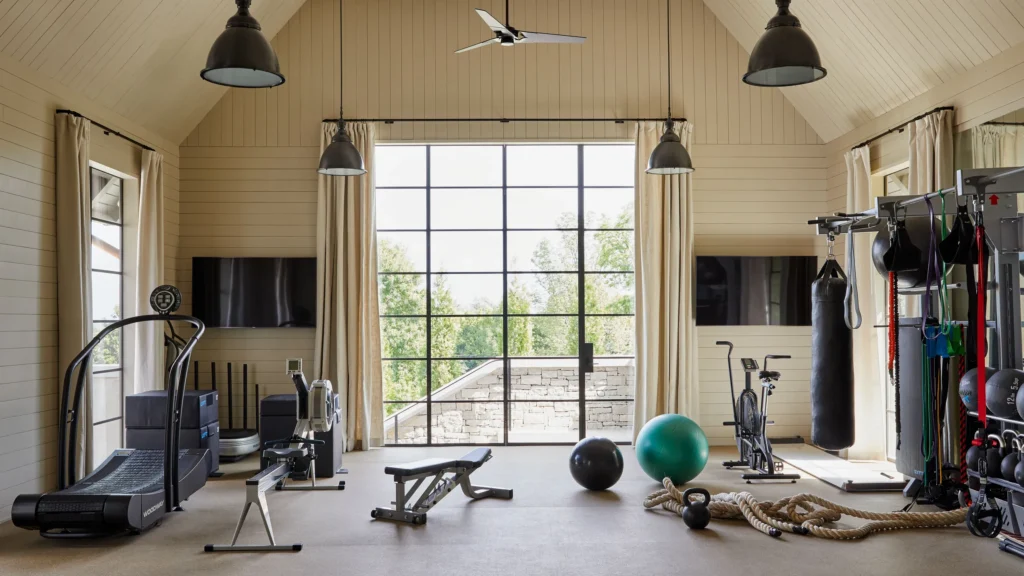
This might include walking, strength training, group classes, or at-home workouts. Variety can help prevent boredom, but consistency matters more than constantly changing your routine. If you’re more likely to stick with shorter sessions, that’s a better option than planning long workouts you regularly skip.
Plan for Real Life (Because It Will Get Busy)
Wedding planning often disrupts normal routines. Appointments, events, and travel can limit the time you have for exercise. Instead of expecting a perfect schedule, plan for flexibility.
Short workouts, such as 20 to 30 minutes, can still be effective. Breaking activity into smaller sessions throughout the day is another practical option. It’s also helpful to identify backup plans, such as a quick at-home workout when you can’t make it to a gym.
Track Progress Without Obsessing
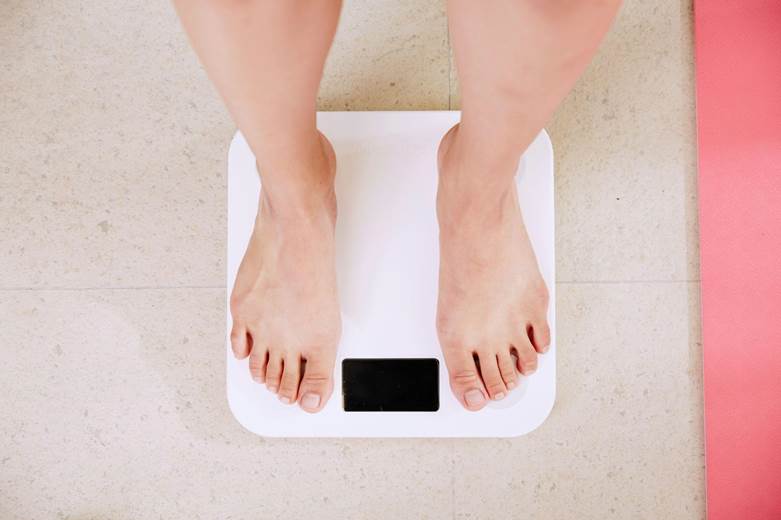
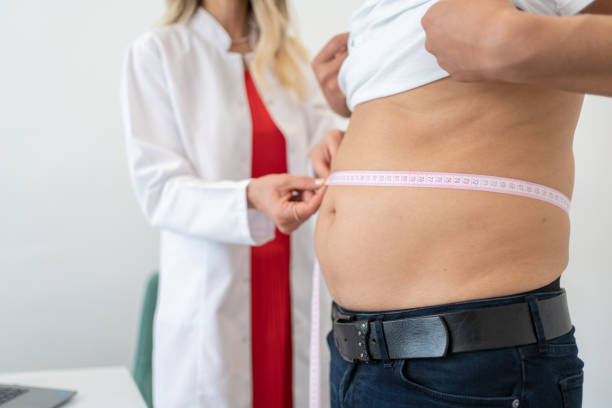
Tracking progress can help you stay motivated, but it should not become a source of stress. The scale is only one measure and does not reflect changes in strength, endurance, or overall well-being.
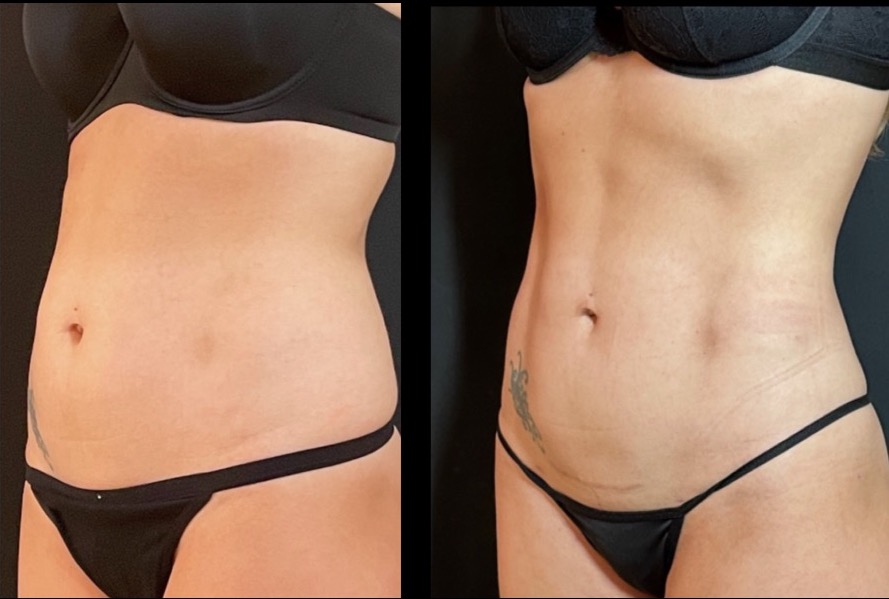
Consider tracking multiple indicators, such as how your clothes fit, improvements in strength, or increased energy levels. You might also track consistency, such as the number of workouts completed each week.
Give Yourself Grace Along the Way
Setbacks are common and should be expected. Missed workouts, schedule changes, or slower progress do not mean you’ve failed. Treat these moments as part of the process rather than a reason to stop.
Returning to your routine after interruptions is more important than maintaining a perfect record. A consistent, long-term approach is more effective than trying to compensate for missed time with extreme measures.
Confidence Over Perfection: Defining Your Real Wedding Goal
Fitness goals for a wedding should support how you feel, not just how you look. Realistic expectations, consistent habits, and flexible planning lead to better outcomes than extreme approaches.
By focusing on sustainable routines and measurable progress, you can build confidence leading up to the event. The objective is not to meet a specific standard, but to feel prepared, capable, and comfortable on the day.