



































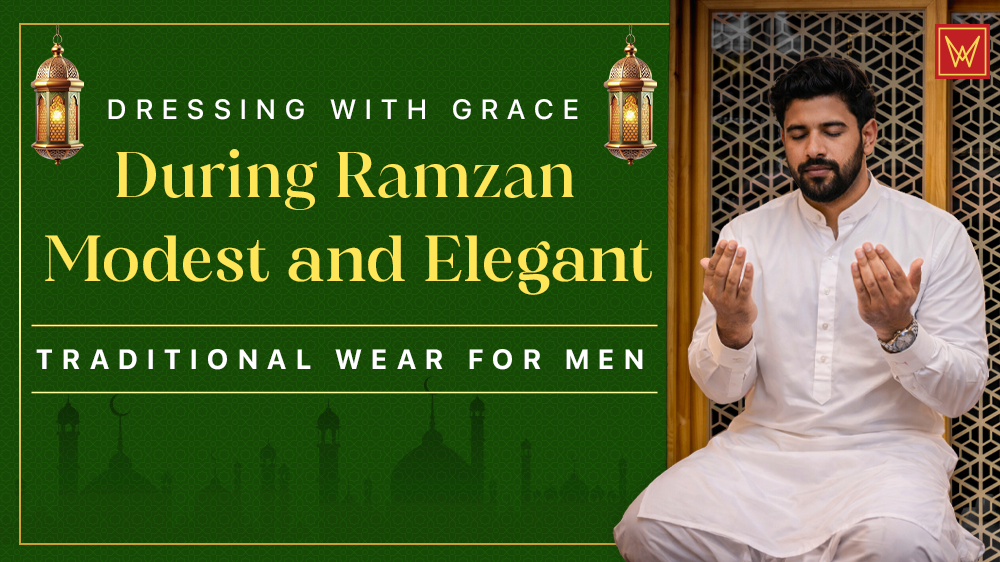










































































































































































































































































































































































































































































































































































































































































































































































































































































































































































































































































































































































































































































































Dressing with Grace During Ramzan Modest and Elegant Traditional Wear for Men

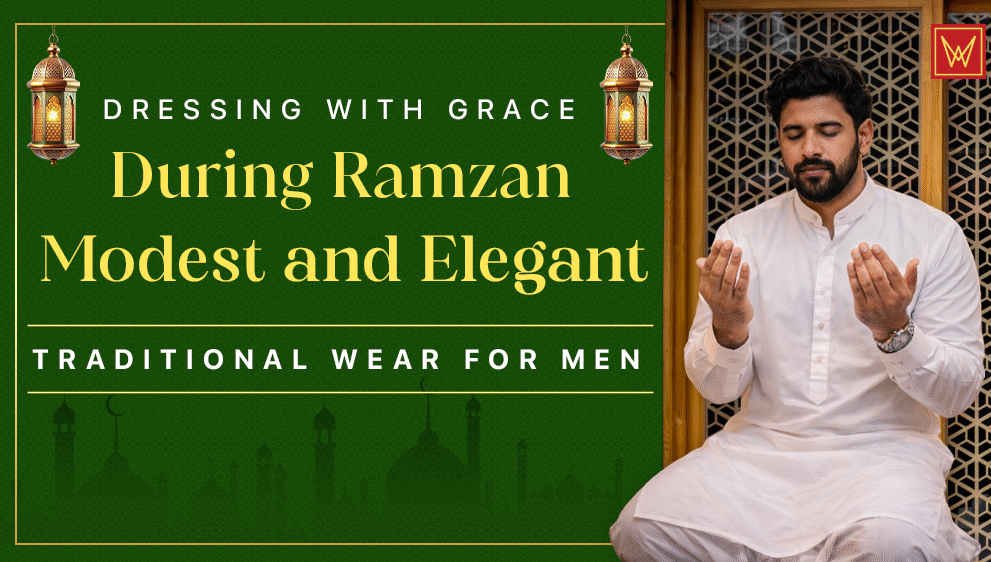
Ramzan is a month of reflection, restraint, gratitude, and spiritual renewal. It is a time when daily routines slow down, prayers deepen, and gatherings become more meaningful. From Sehri before sunrise to Iftar at sunset and the celebration of Eid, every moment carries purpose.
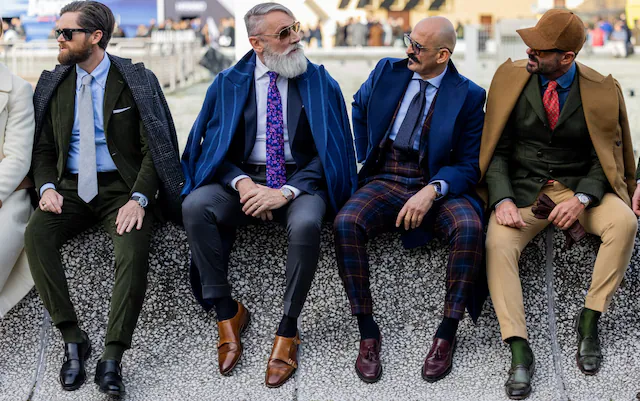
During this sacred month, dressing well is not about display; it is about dignity. Modest, elegant traditional wear allows men to reflect the humility and respect that Ramzan represents, while remaining comfortable throughout long days of fasting and prayer.
Here’s a thoughtful guide to choosing traditional outfits for Ramzan that balance grace, modesty, and comfort.
The Essence of Modest Dressing in Ramzan
Modesty in clothing does not mean dull or plain. It means refined, respectful, and appropriate for the spiritual atmosphere of the month.
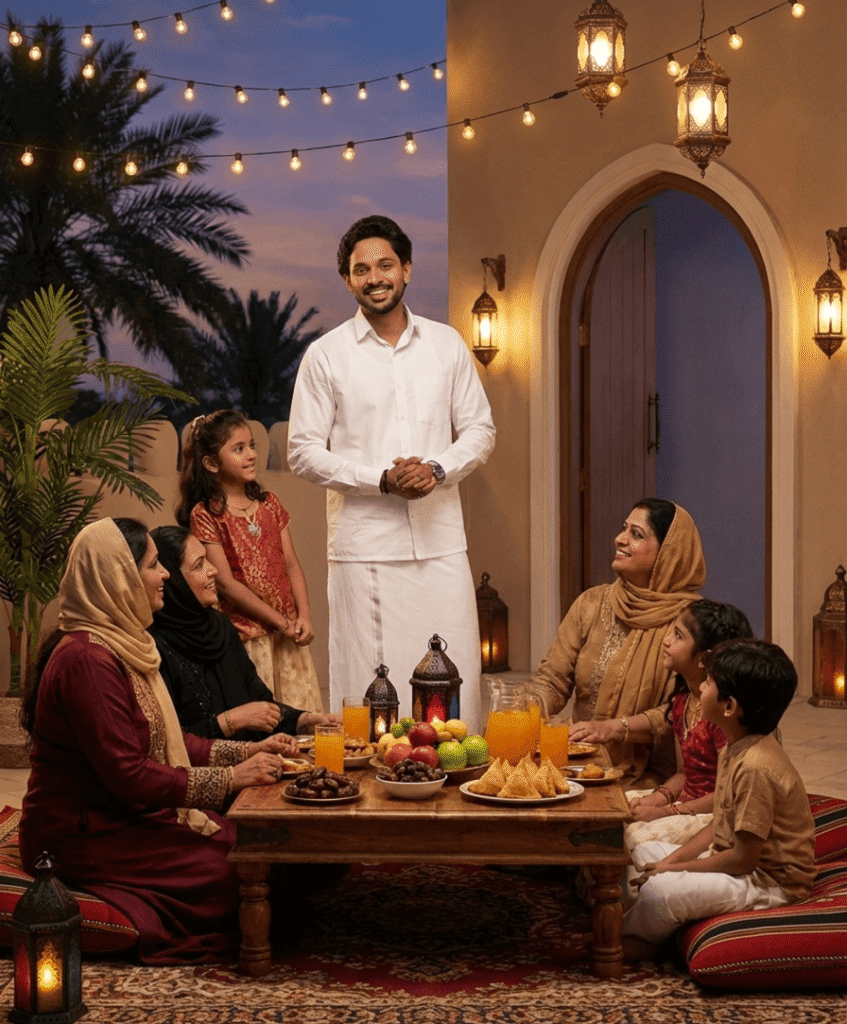
For men, traditional attire such as dhotis (veshtis), kurtas, and neatly tailored shirts naturally aligns with this spirit. These garments:
- Offer full coverage
- Allow relaxed movement
- Reflect cultural heritage
- Create a composed and dignified appearance
The goal is to dress in a way that honors the occasion without drawing unnecessary attention.
From Sehri to Fajr: Light and Comfortable Choices
Sehri takes place in the quiet hours before sunrise. Currently, comfort is paramount.
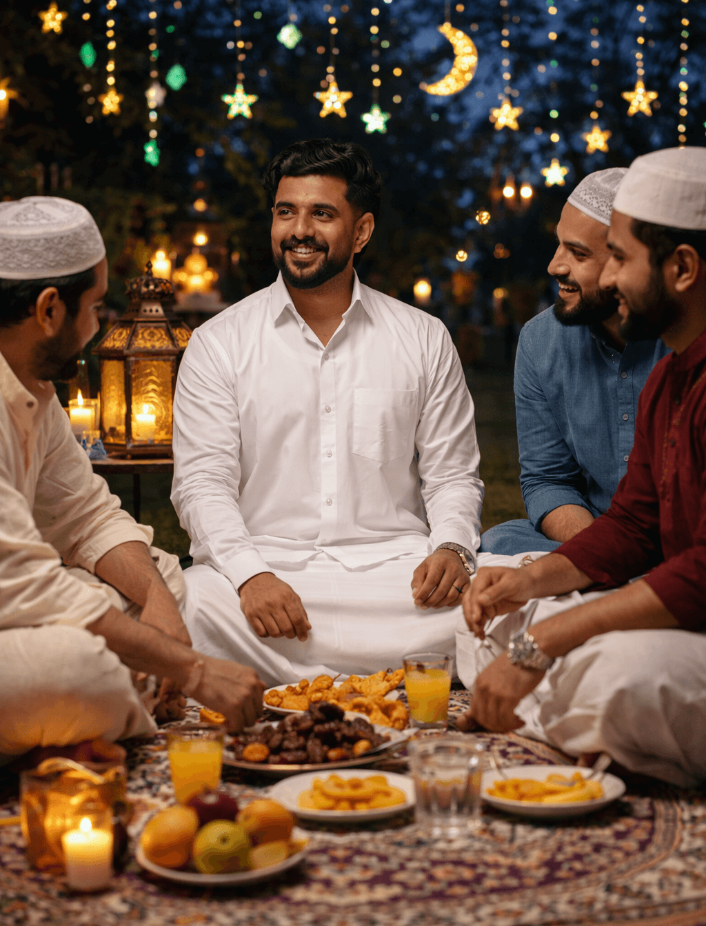
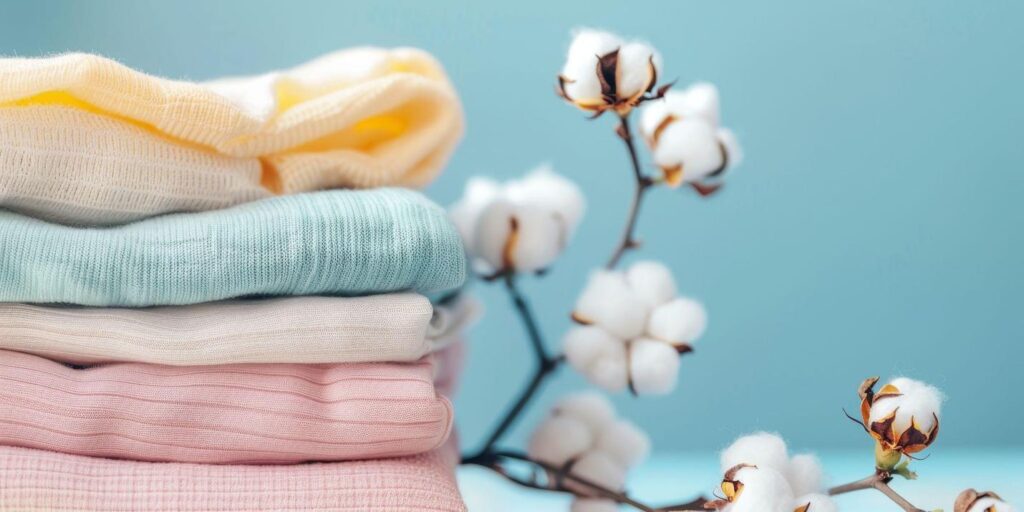
Lightweight cotton dhotis paired with breathable shirts or simple kurtas are ideal. Cotton helps regulate body temperature and keeps you comfortable as the days fast begins.
Look for:
- Soft, airy fabrics
- Relaxed silhouettes
- Secure yet flexible waist designs
- Minimal detailing
Early morning prayer calls for simplicity. A clean white or pastel shirt with a neatly draped veshti creates an effortlessly graceful look that feels appropriate and calming.
Daytime During the Fast: Prioritizing Breathability
Fasting requires both physical and mental endurance. Heavy or synthetic fabrics can feel restrictive and uncomfortable during the day, especially in warm climates.
Traditional cotton dhotis remain one of the most practical choices. Their airy structure allows airflow and prevents overheating. Pair them with a light cotton shirt or kurta for all-day ease.
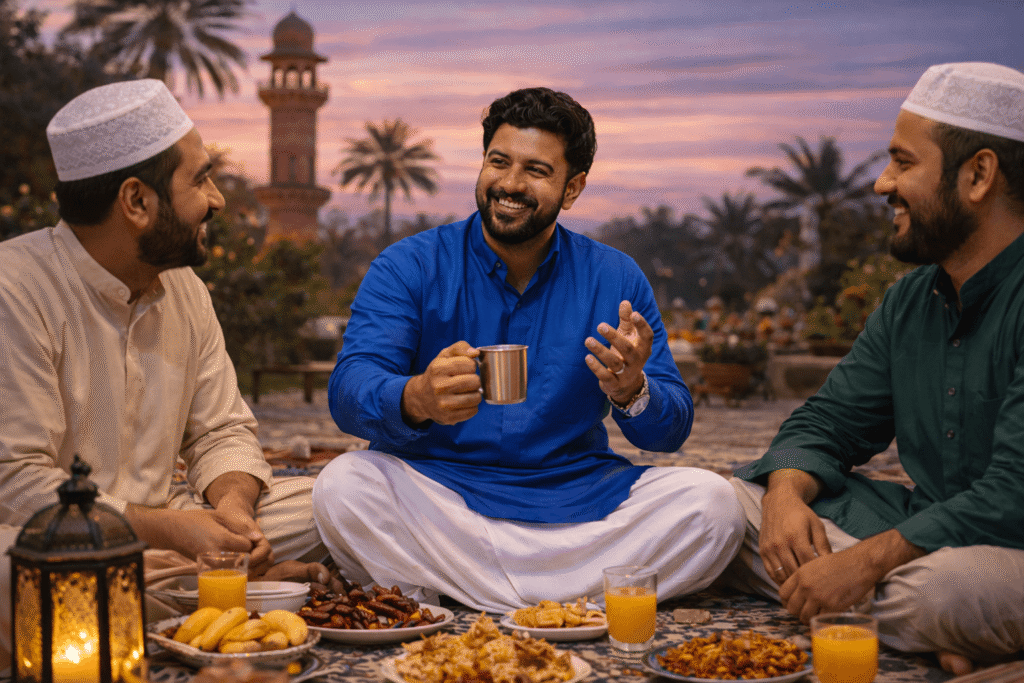
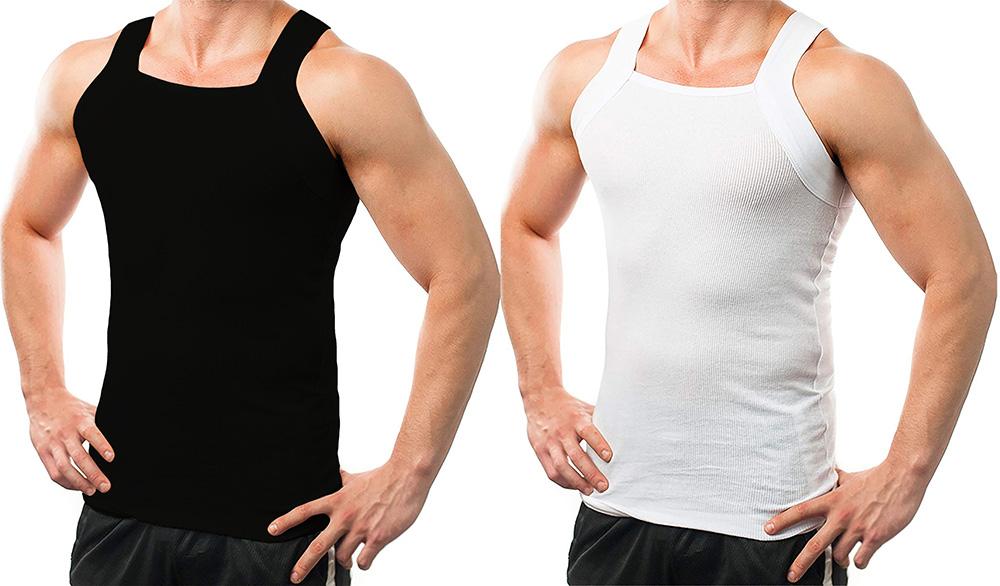
Choosing the right inner layers is equally important. Breathable vests and well-fitted innerwear enhance overall comfort and prevent irritation during long fasting hours.
When your clothing feels light and supportive, it becomes easier to stay focused on prayer and reflection.
Iftar Gatherings: Subtle Elegance for Evening Moments
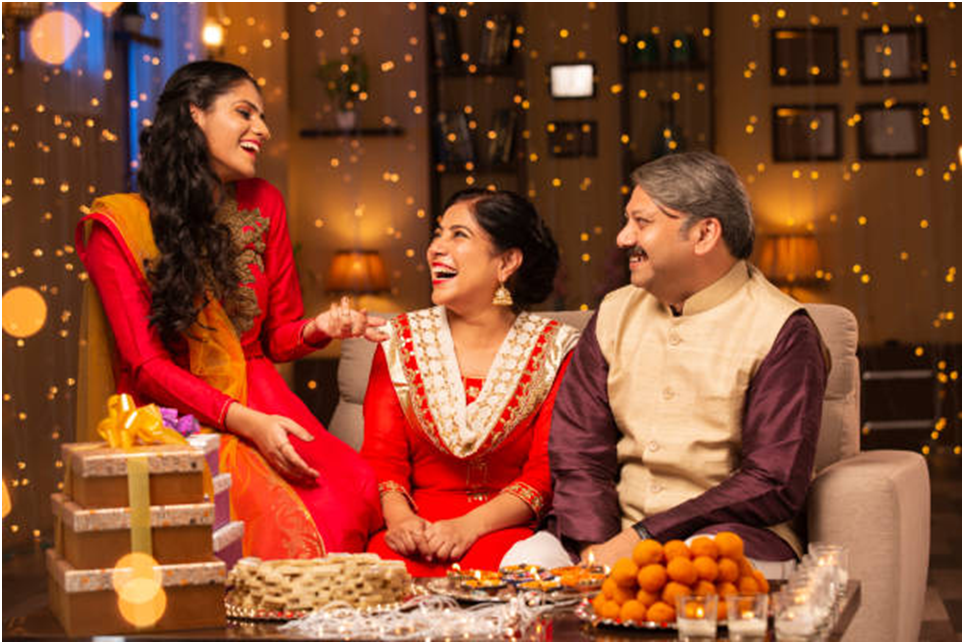
As the sun sets, Ramzan evenings transform into beautiful gatherings of family and community. Iftar meals, Maghrib prayers, and visits to relatives create an atmosphere of warmth and unity.
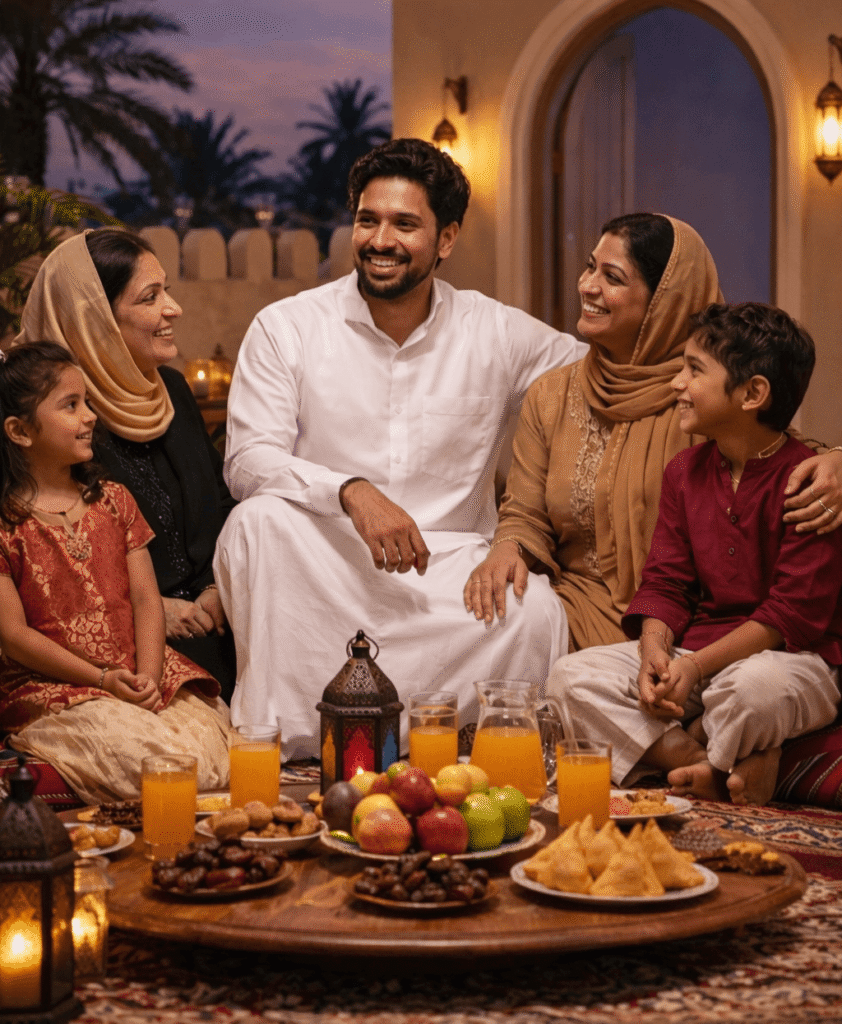
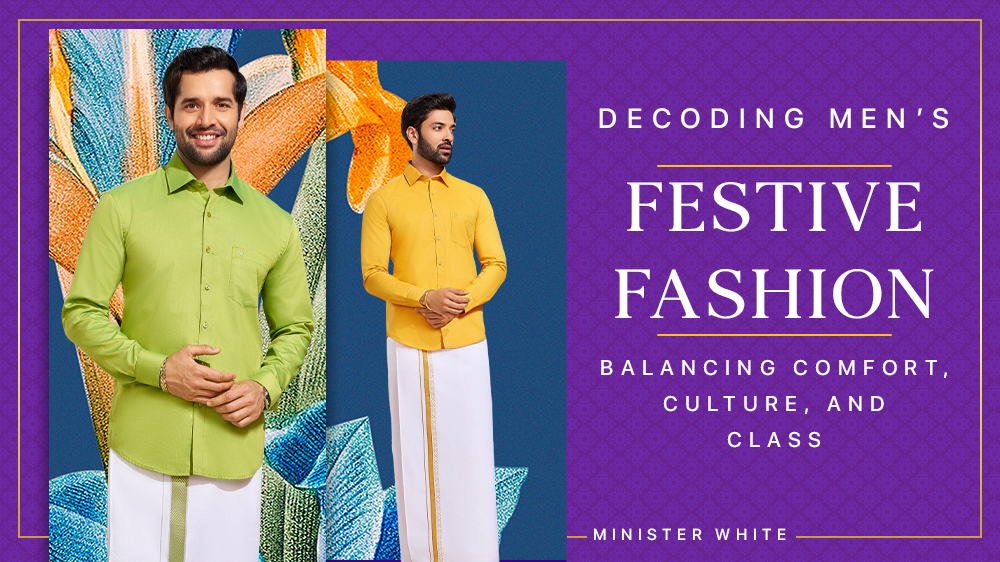
For everyday Iftar at home, a simple dhoti-shirt combination works perfectly. Crisp white shirts remain a timeless favorite, symbolizing purity and serenity.
If attending a larger gathering, you may opt for:
- Gold-bordered dhotis
- Soft pastel shirts
- Lightweight tissue blends for a gentle festive touch
- A well-fitted kurta paired with a classic veshti
The key is balance. Evening wear during Ramzan should feel elevated but never excessive.
Jumma in Ramzan: Dressing with Intention
Fridays during Ramzan carry added significance. Mosques are fuller, and the communal spirit feels stronger.
For Jumma prayers, consider:
- A pristine white shirt with a neatly ironed dhoti
- A pastel or cream kurta paired with a traditional veshti
- A subtle angavastram draped over the shoulder
Neatness and simplicity are the defining elements. Well-pressed fabrics and clean silhouettes create an impression of respect and mindfulness.
Special Nights: Honoring Tradition
Certain nights in Ramzan hold deep spiritual importance. On such evenings, dressing with slightly more traditional refinement is appropriate.
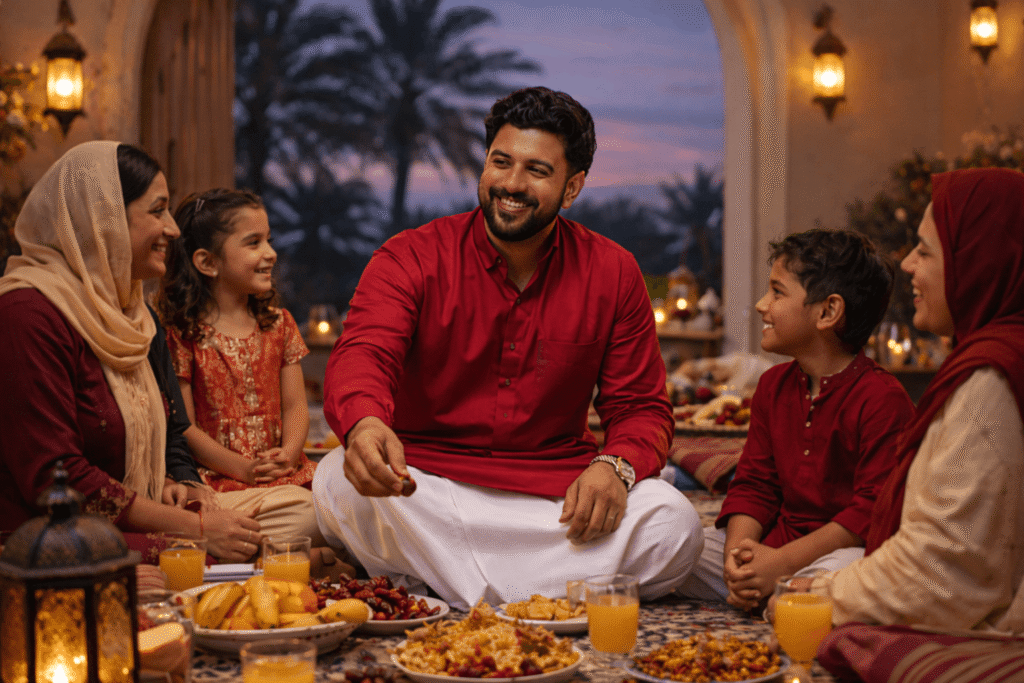
Kurta, deeply rooted in South Indian heritage, is a refined option for temple visits or extended prayer sessions. They reflect reverence and cultural pride, making them suitable for spiritually significant evenings.
Pairing a dhoti with a well-tailored shirt or kurta enhances the traditional appeal while maintaining comfort.
Minister White’s commitment to redefining how dhotis are worn ensures that even ceremonial attire is practical for modern lifestyles.
Choosing Colors that Reflect the Season
Color plays a subtle but powerful role in traditional dressing during Ramzan.
Ideal Choices:
- White (symbol of purity and peace)
- Ivory and cream
- Soft gold borders
- Light blue, pastel green, peach, or sandalwood tones
Avoid overly bright or flashy colors. The beauty of Ramzan attire lies in calm sophistication rather than bold statements.
Eid: Celebrating with Refined Grandeur
Eid marks the joyous conclusion of a month of discipline and devotion. While modesty remains important, Eid attire can carry a celebratory touch.
Silk veshtis are a popular choice for Eid prayers and festive gatherings. Their rich texture and elegant borders add grandeur without compromising cultural authenticity.
Pair a silk veshti with:
- A crisp white shirt
- A soft pastel silk-blend shirt
- A finely tailored kurta
The look should feel special yet rooted in tradition.
Coordinating Family Looks
Ramzan and Eid are deeply family-centered celebrations. Coordinated outfits for fathers and sons create beautiful memories and strengthen cultural connections.
Matching white or pastel shirts paired with traditional dhotis make for meaningful family moments, especially during Eid prayers and festive visits.
Such coordination reflects unity while keeping the styling simple and elegant.
Fabric Matters More Than You Think
The comfort of your traditional outfit depends heavily on fabric quality.
When choosing attire for Ramzan:
- Opt for pure cotton for daily wear
- Choose lightweight blends for evening gatherings
- Reserve silk for special celebrations
- Ensure proper stitching and finishing for long-lasting comfort
Well-crafted garments not only look refined but also feel effortless to wear.
Fit and Presentation: Small Details, Big Impact
Modesty and elegance are incomplete without proper fit and grooming.
Ensure that:
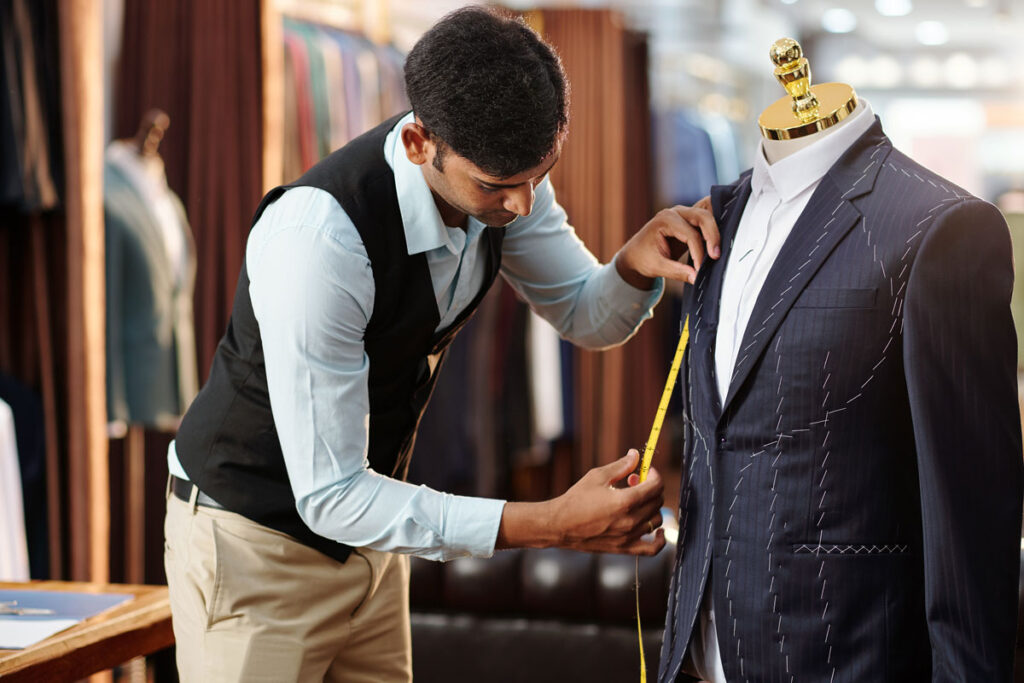
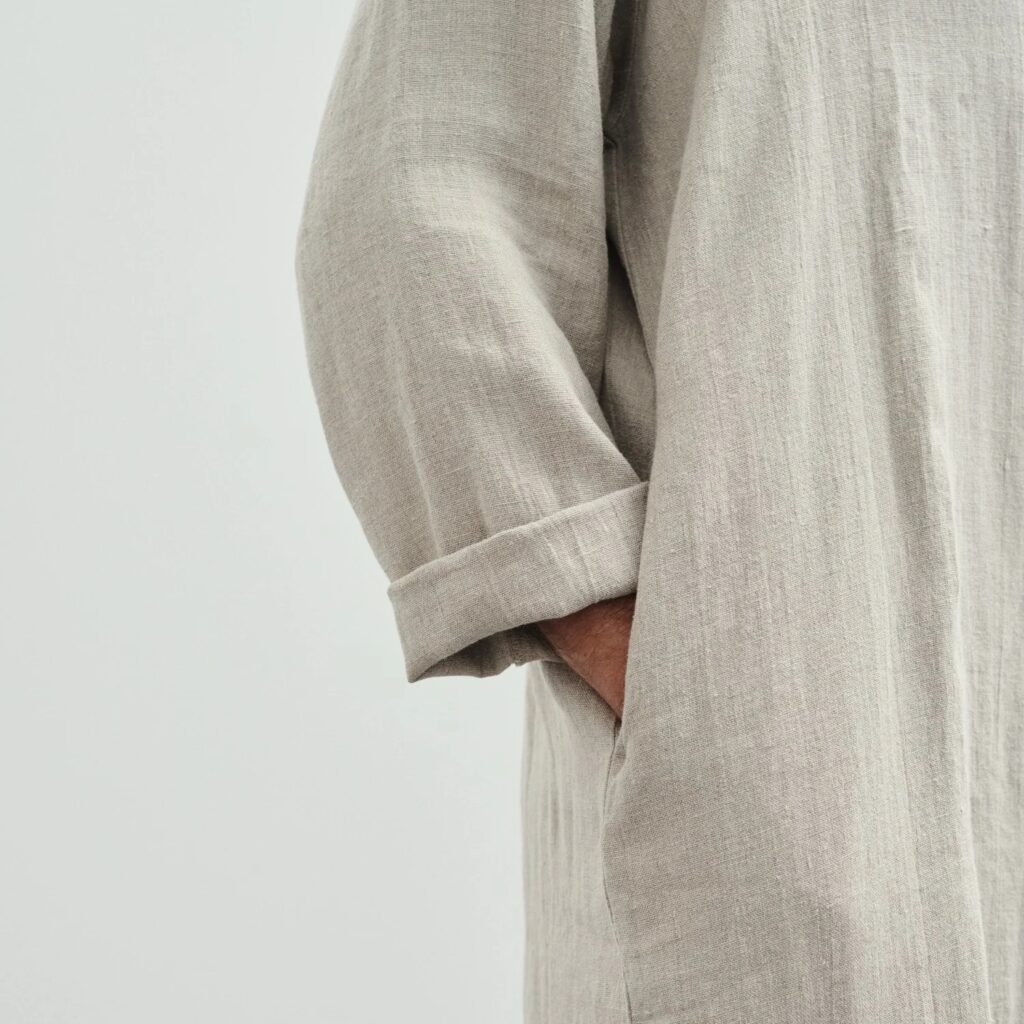
- Your shirt fits cleanly at the shoulders
- Sleeves end at the correct wrist length
- The dhoti is evenly draped
- Fabrics are neatly ironed
- Footwear complements the traditional attire
Confidence naturally follows when everything sits perfectly.
Balancing Tradition with Modern Convenience
Modern innovations in traditional wear have made dressing easier than ever. Secure waist designs and structured tailoring eliminate the discomfort often associated with older styles.
Today’s traditional garments are designed to adapt to contemporary lifestyles while preserving cultural authenticity. This allows men of all ages to embrace dhoti dressing with confidence, whether for prayer, family gatherings, or Eid celebrations.
Final Thoughts: Grace Beyond Appearance
Dressing during Ramzan is ultimately about intention. It is not about impressing others, but about aligning your outward appearance with the inner discipline of the month.
Modest, elegant traditional wear reflects humility, respect, and gratitude. When chosen thoughtfully, it enhances your spiritual journey rather than distracting from it.
From the stillness of Sehri to the celebration of Eid, let your clothing support your comfort and embody the grace that Ramzan inspires.
Because true elegance is not loud, it is calm, composed, and rooted in tradition.