







































































































































































































































































































































































































































































































































































































































































































































































































































































































































































































































































































































































































































































































































































































































































































































































































































































































































































































































































Top Reasons Insurance Claims Get Denied for Roof Damage — And How to Avoid It

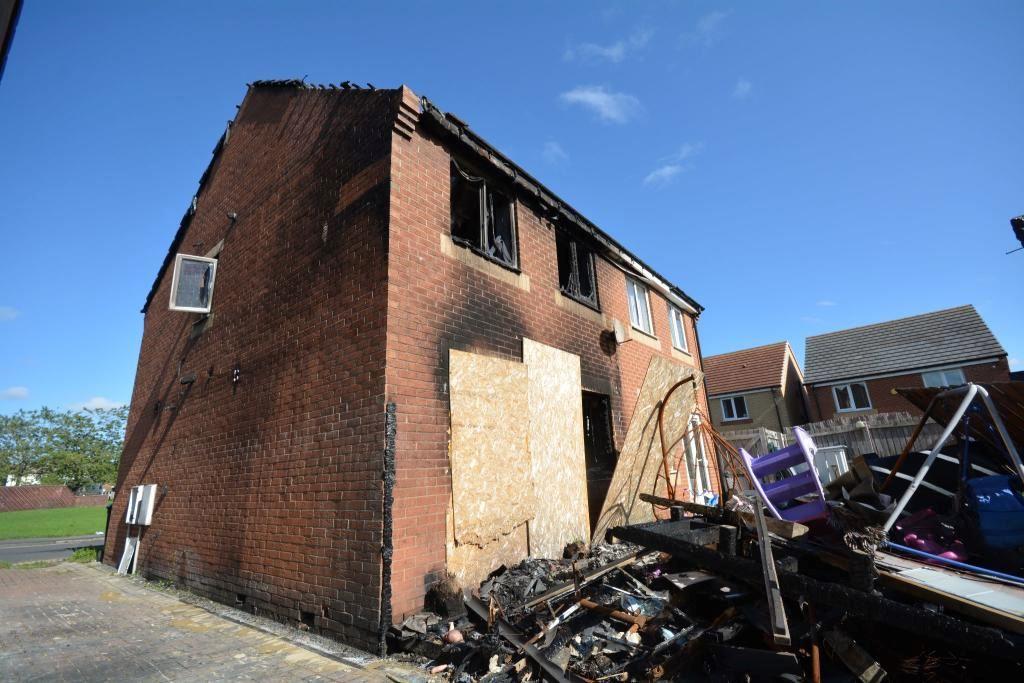
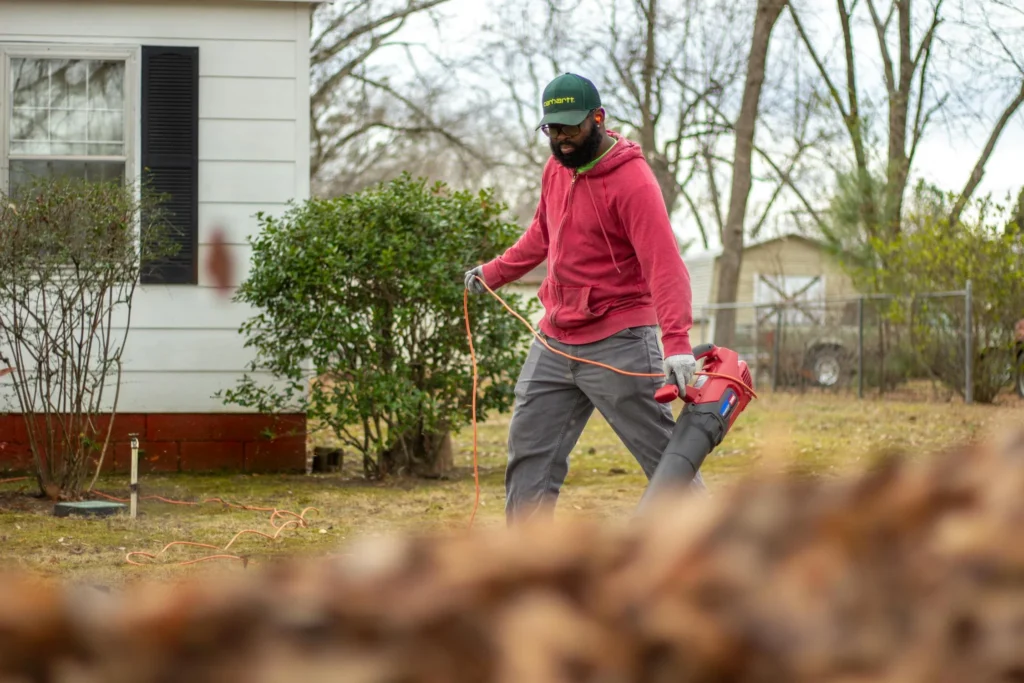
Storm arrives, rain slants down sideways, wind screams through the night, and come morning, the yard is a disaster. Branches scattered all over, shingles in the grass, and maybe a gutter that’s a little crooked. The first instinct is to call the insurance company and figure the repairs will be taken care of. After all, that is exactly why insurance exists.
Then comes the surprise: the claim gets reduced… delayed… or denied completely.
This happens far more often than most people expect. Not because insurance companies never pay — they do — but because roof claims live in a gray area full of fine print, technicalities, and interpretation. What feels like obvious storm damage to a property owner can look like something very different on paper.
“It Was Already Old” — The Most Common Reason
Insurance adjusters always begin by asking one question: How old is the roof?
If the roof is nearing the end of its life, the damage may be considered wear and tear rather than storm damage. Even if the roof has been battered by high winds, an old roof makes it easy to claim that the roof’s failure was only a matter of time.
Typical signs used to support this decision:
- Shingles that look brittle or curled
- Uneven coloring from years of sun exposure
- Granules missing in large patches
- Previous repair spots scattered around
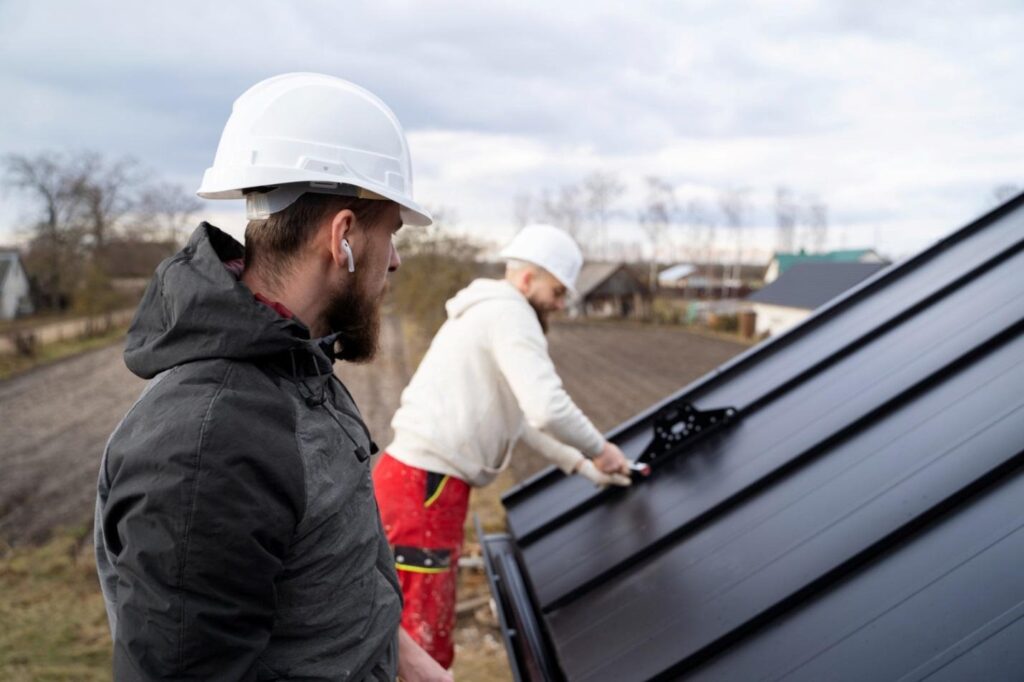
This is why many property owners quietly schedule inspections with trusted Roofing companies meridian ms long before storms arrive — not just for maintenance, but for documentation.
Maintenance (or Lack of It) Matters More Than Expected
Insurance policies assume basic upkeep. A roof buried under leaves, clogged gutters, or standing water suggests neglect, even if a storm triggered the final damage.
Common maintenance issues that raise red flags:
- Gutters packed solid with debris
- Moss or algae growth left untreated
- Rotting fascia boards
- Long-term sagging areas
None of these things cause an immediate failure on their own, but they all contribute to a weakened roof over time. When a storm finally pushes it over the edge, the insurance company may claim the problem has been building for years.
Waiting Too Long to Say Anything
It is all too easy to focus on the clean-up job that must be accomplished after a storm. Roof issues may be overlooked, especially if there are no leaks. Weeks turn into months, perhaps even longer. Then water spots appear, or a ceiling bubble, and suddenly it’s an emergency.
This is when most people begin looking for Roofing companies near me, hoping for some quick solutions.
Unfortunately, delayed reporting makes insurers suspicious. They may argue that another storm, ongoing deterioration, or even poor maintenance caused the damage after the fact. Establishing a clear timeline becomes difficult.
Old Problems Tend to Resurface During Inspections
Adjusters look closely for anything that suggests pre-existing damage. Mismatched shingles, old patchwork, or worn flashing can lead to partial coverage at best.
Even if new damage is evident, the compensation will only be for the part that is considered to be new. A professional evaluation by experienced Roofers near me can help distinguish between old and new damage from the storm, but not all claims are treated equally.
Installation Issues Can Shift Blame Elsewhere
Sometimes the problem is not age or maintenance but how the roof was installed in the first place. If materials were applied incorrectly, insurers may argue that failure resulted from poor workmanship rather than weather.
Examples include:
- Improperly placed nails
- Incorrect shingle overlap
- Inadequate ventilation
- Faulty flashing around penetrations
In these cases, responsibility may fall on the contractor who installed the roof — which does not help much years later.
Cosmetic Damage Often Doesn’t Count
Hail storms create dings, scratches, and other damage that appears very serious from the ground. However, if the roof is still, from a technical perspective, waterproof, the damage may be considered cosmetic by insurance companies.
This means no payment, even if the roof has prematurely aged or reduced resale value. It feels unfair, but policies typically focus on function rather than appearance.
The Fine Print No One Reads Until It Matters
Insurance documents are long and complicated for a reason. They spell out exactly what is covered — and what is not. Some causes of damage fall outside standard policies entirely.
Common exclusions include:
- Flood-related water damage
- Ground movement
- Manufacturer defects
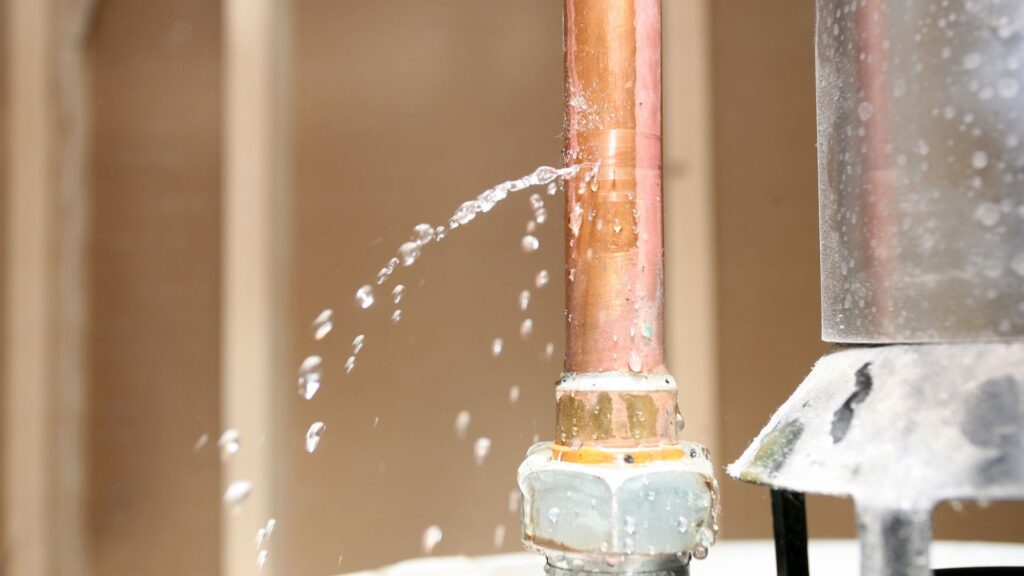
- Long-term leaks
- Poor ventilation problems
Learning about these exclusions at a time of crisis is never a pleasant experience, but it is all too common.
Evidence Makes or Breaks a Claim
Without evidence, even valid claims can be disputed. Pictures taken right after the storm, professional assessments, and maintenance history all count for a lot.
Local experts like B&A Roofing may also supply detailed documentation to help explain the nature of the damage and its possible cause. That kind of report can make a significant difference when adjusters evaluate a claim.
Commercial Roofs Face Even Tougher Scrutiny
Business properties deal with additional complications. Large flat roofs behave differently from residential ones, and problems can develop slowly without obvious signs.
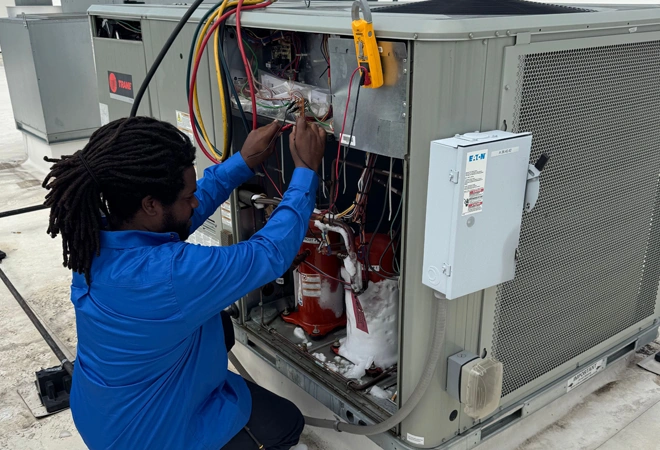
Owners consulting Commercial roofers meridian ms frequently discover issues such as:
- Water ponding that suggests long-term drainage trouble
- Membrane wear attributed to age
- Saturated insulation beneath the surface
- Blocked drains blamed on maintenance
When leaks begin to impact business, the search for Commercial roofing near me becomes an emergency situation, but the insurance company may still be skeptical about whether the damage is sudden enough to qualify as such.
How to Avoid the Headache
While there is no foolproof method to ensure approval, some good practices can make denial highly unlikely.
Regular inspections establish a record of the roof’s condition.
Routine maintenance shows responsible ownership.
Immediate post-storm checks establish timing.
Organized documentation strengthens credibility.
Understanding policy details prevents unpleasant surprises.
In essence, preparation well before the damage occurs is what will save a claim.
Final Thoughts
Roof insurance claims rarely hinge on a single dramatic moment. They are decided by history — how the roof was maintained, how quickly damage was reported, how well the condition was documented, and what the policy actually covers.
Storm damage may be the cause of the problem, but it is often paperwork, timing, and technicalities that make the difference.
Insurance can absolutely help when things go wrong. It just works best when supported by routine care, clear records, and prompt action. Without those, even obvious damage can turn into a long, frustrating process with uncertain results.
And unfortunately, roofs tend to demand attention at the worst possible times — during storms, not during calm weather when everything feels manageable.