














































































































































































































































































































































































































































































































































































































































































































































































































































































































































































































































































































































































































































































































































































































































































































































































































































































































































































































































The Silent Energy Drains Inside Aging Air Conditioning Systems

There’s a strange phase most air conditioners go through before they completely give up. They don’t break. They don’t stop turning on. They don’t make some dramatic noise that forces immediate action.
They just… start costing more.
More on the electric bill.
More in small service calls.
More in frustration when the house never feels quite cool enough.
That’s the part homeowners in Georgia notice first — the system runs longer, especially during peak heat, but comfort doesn’t really improve. It feels like the AC is trying. It’s working nonstop. But something isn’t right.
And that “something” is usually a collection of small, silent energy drains building up inside an aging system.
It Still Works — But Not Like It Used To
Older air conditioners rarely fail overnight. Instead, parts wear down gradually. Motors lose their sharpness. Compressors don’t pump with the same strength. Electrical components weaken little by little.
Nothing dramatic happens. The air still blows. The thermostat still responds. But internally, the system is using more electricity to accomplish less cooling.
Technicians handling Ac repair in Marietta see this constantly. Homeowners call because bills have crept up or because the house feels warmer than usual — not because the unit completely stopped.
That’s how aging systems operate. Quiet decline.
Dirty Coils: The Hidden Blanket
Here’s something most people don’t think about. Air conditioners move heat. That’s their whole job. They don’t “make cold.” They absorb heat inside and release it outside.
However, if the coils inside the system are covered in dirt, dust, and pollen — which absolutely will happen with time — the heat transfer process will slow down. It’s like you’re putting a blanket on what you’re trying to cool down.
The system now has to work longer to cool down the same amount of air. And longer run times mean higher energy use.
During routine Marietta ac repair visits, cleaning coils alone has made noticeable differences in performance. It’s one of those fixes that sounds simple but ends up restoring a surprising amount of lost efficiency.
Refrigerant Problems Don’t Always Announce Themselves
If refrigerant levels drop, the AC doesn’t always shut down. It just gets weaker.
The air from the vents feels cool… but not cold.
The house cools slowly… but never fully.
The system runs forever… but never catches up.
At the same time, the compressor is working harder than it needs to, which consumes more power and shortens its life.
This is a common issue discovered during Air conditioning repair Marietta inspections. And it’s one that can quietly drain energy for months before anyone realizes what’s happening.
Duct Leaks: Cooling the Attic Instead of the House
Here’s a frustrating one. The air leaving the unit might be perfectly cold. But if ducts are leaking — especially in hot attics — that cooled air never reaches the rooms.
Instead, it spills into spaces where it does absolutely no good.
Homeowners often assume the AC unit itself is failing when the real issue is ductwork slowly separating or losing insulation over time.
Professionals providing hvac repair Marietta services frequently uncover this during inspections. Once sealed properly, airflow improves and runtime drops noticeably.
It’s not flashy. It’s just practical.
The Thermostat Might Be Lying
Not intentionally, of course. But older thermostats can sometimes provide false readings, especially if they’re located near windows, kitchens, or electronic equipment that emit heat.
If the thermostat provides a false reading, thinking the house is warmer than it is, the AC will keep running. And running. And running.
Upgrading to a modern thermostat often corrects this without touching the actual cooling equipment. Sometimes the “big problem” is actually a small control issue.
Electrical Wear Adds Up
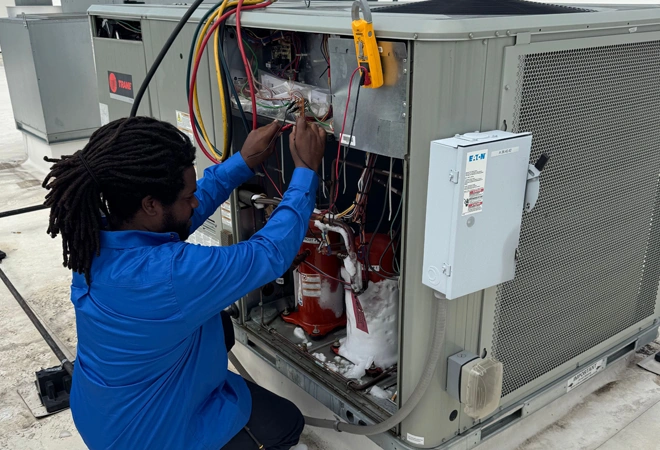
The electrical parts of the system don’t get much maintenance until they spark or break down. But old capacitors, loose connections, and corroded terminals all contribute to the resistance in the system.
The more resistance, the more power the unit consumes to operate.
It’s subtle. There’s no obvious symptom besides higher energy use and slightly longer cooling cycles.
During Marietta air conditioning repair appointments, tightening connections and replacing worn electrical parts often improves efficiency in ways homeowners didn’t expect.
Outdoor Units Take a Beating
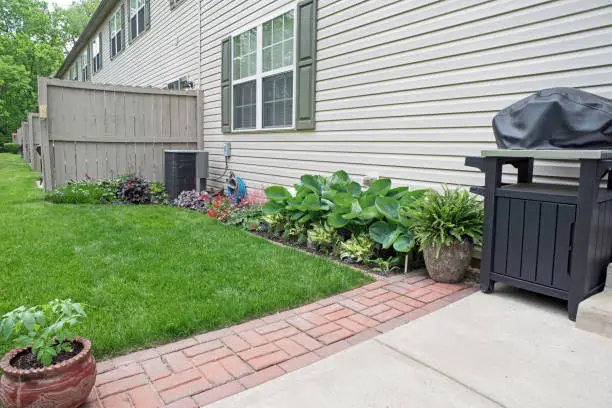
That large metal box outside doesn’t have it easy, either. It’s got to contend with the sun, the rain, the debris, the grass clippings, and the temperature fluctuations throughout the year.
Over time:
- Fins bend
- Debris clogs airflow
- Dirt builds up
- Vegetation grows too close
When the outdoor unit can’t release heat efficiently, the entire system struggles. And when it struggles, it uses more electricity.
Keeping that area clean and clear sounds basic — but it matters more than most realize.
Humidity Makes Everything Worse
Older systems often lose the ability to remove moisture effectively. And in Georgia, humidity isn’t optional — it’s constant.
When humidity levels rise indoors:
- Air feels heavier
- Sweat doesn’t evaporate
- Rooms feel warmer than the thermostat shows
- The AC runs longer trying to compensate
Even if temperature drops, comfort doesn’t improve much. That’s when homeowners start lowering the thermostat further, which only increases energy use.
Sometimes It’s Just Age
There’s also an honest reality to face. Older air conditioners were built to different efficiency standards. Even when they’re perfectly maintained, they consume more electricity than newer models.
At a certain point, the question isn’t “Can it be repaired?” but “Is it worth continuing to feed it energy?”
That’s where trusted local companies like Berry Good Heating and Air step in. Not with pressure — but with honest evaluations about whether targeted fixes or replacement make better financial sense.
Why These Drains Go Ignored
Because they’re quiet.
There’s no loud breakdown. No dramatic failure. Just:
- Gradually rising bills
- Longer cooling cycles
- Slightly weaker airflow
- Rooms that never feel perfectly comfortable
Homeowners adjust slowly without realizing it. The system becomes “normal” again — even though it’s operating far below its potential.
The Bottom Line
An aging air conditioner doesn’t scream for help. It whispers through higher electric bills and a slight discomfort.
Worn parts, dirty coils, duct leaks, refrigerant loss, electrical inefficiencies, and humidity struggles all stack up. Each one alone might not seem urgent. Together, they quietly drain energy month after month.
The good news? Many of these issues are fixable. And catching them early can restore performance before a full breakdown happens.
Because cooling shouldn’t feel like a system fighting for its life. It should feel steady. Reliable. Almost unnoticed.
And when it doesn’t, there’s usually a reason — even if it’s been hiding in plain sight the whole time.