
























































































































































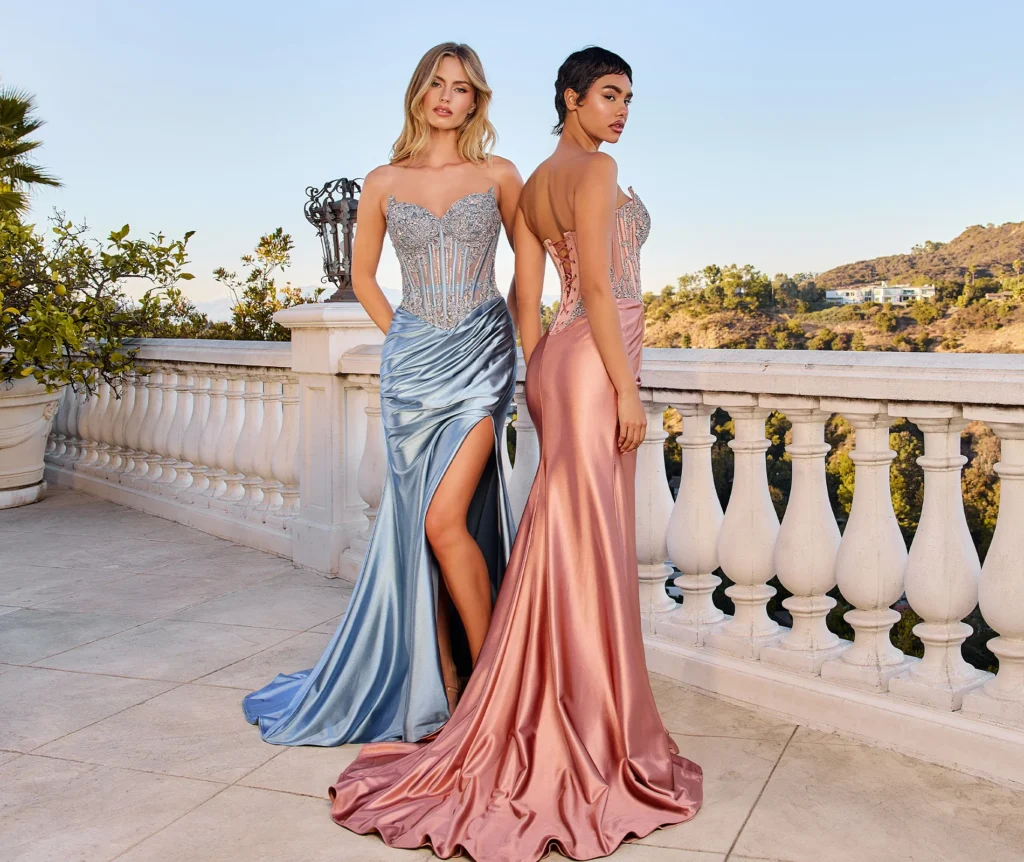










































































































































































































































































































































































































































































































































































































































































































































































































































































































































































Post-Transformation Style: How Women Rediscover Fashion After Major Body Changes

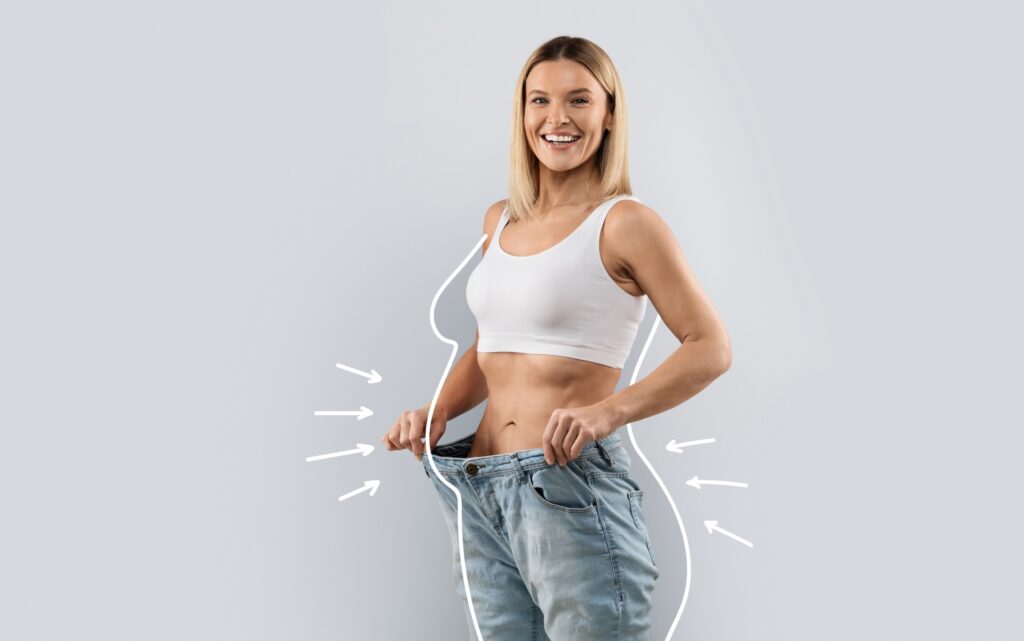
There are moments in life that can completely reshape how we see ourselves. Sometimes these changes happen gradually, and other times they arrive all at once. Weight loss, pregnancy, illness recovery, or lifestyle shifts can all alter the body in ways that feel both empowering and unfamiliar. Alongside the physical changes often comes an emotional adjustment, especially when it comes to personal style.
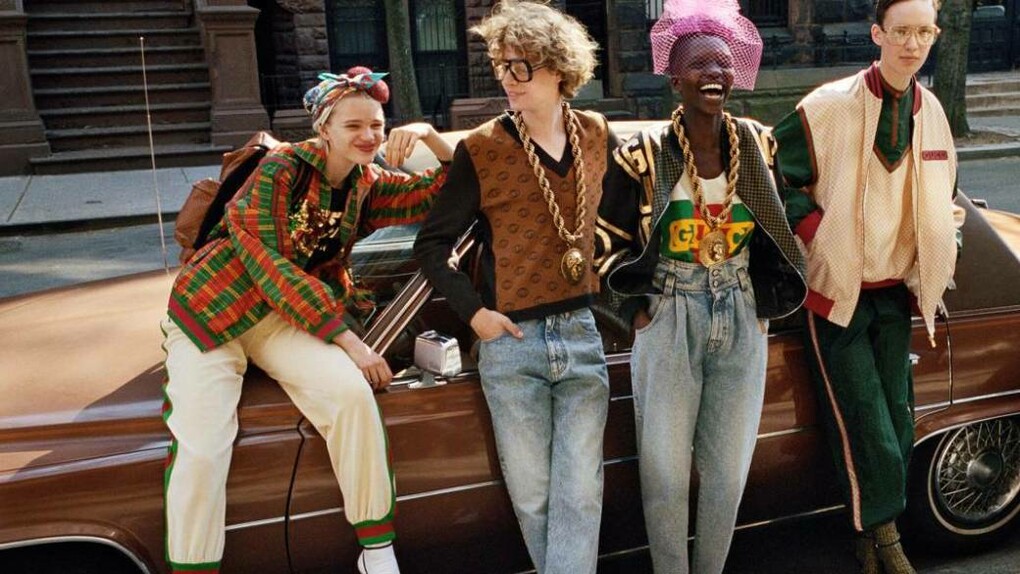
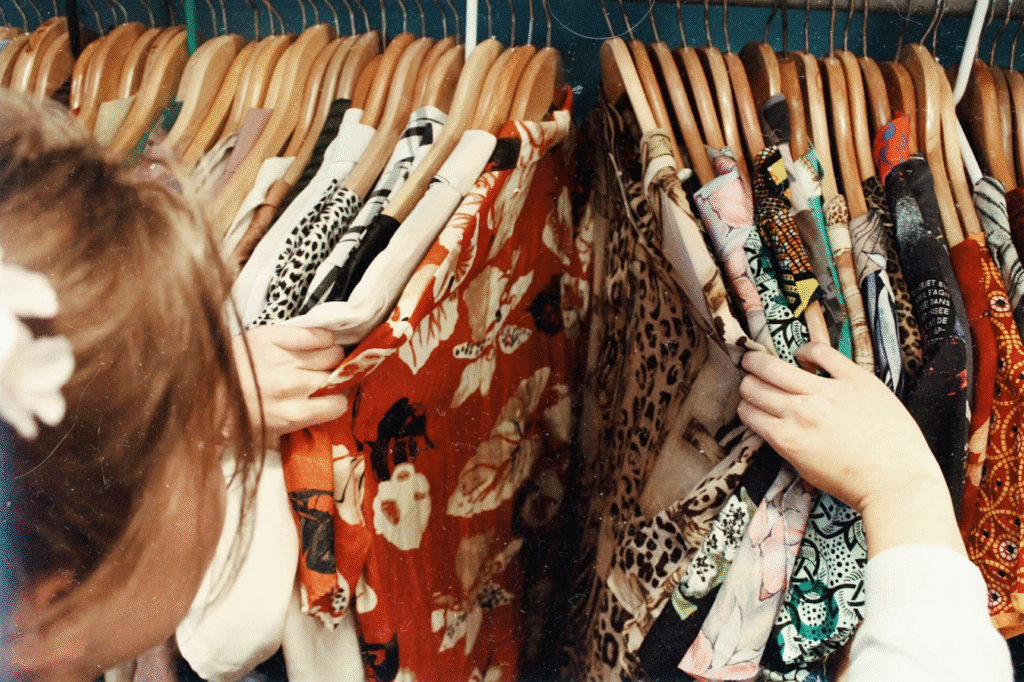
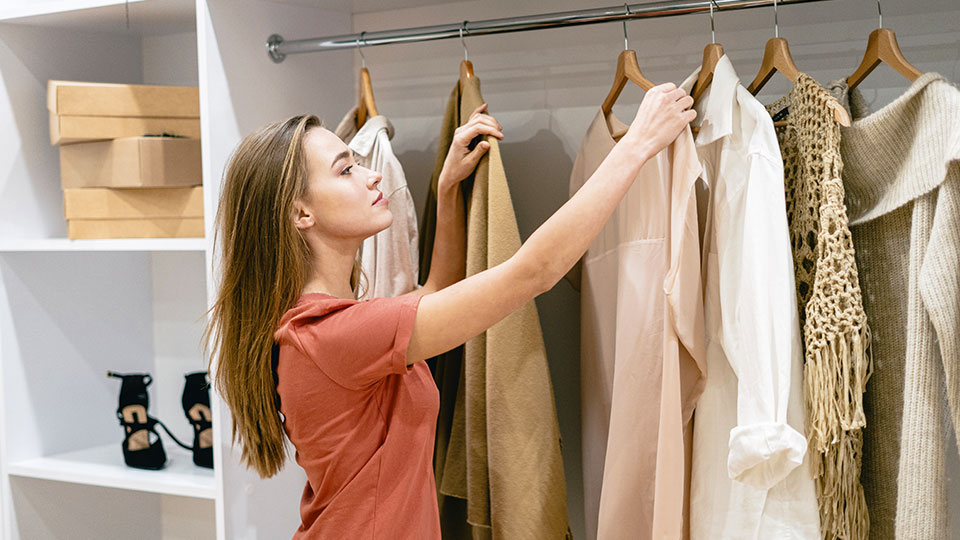
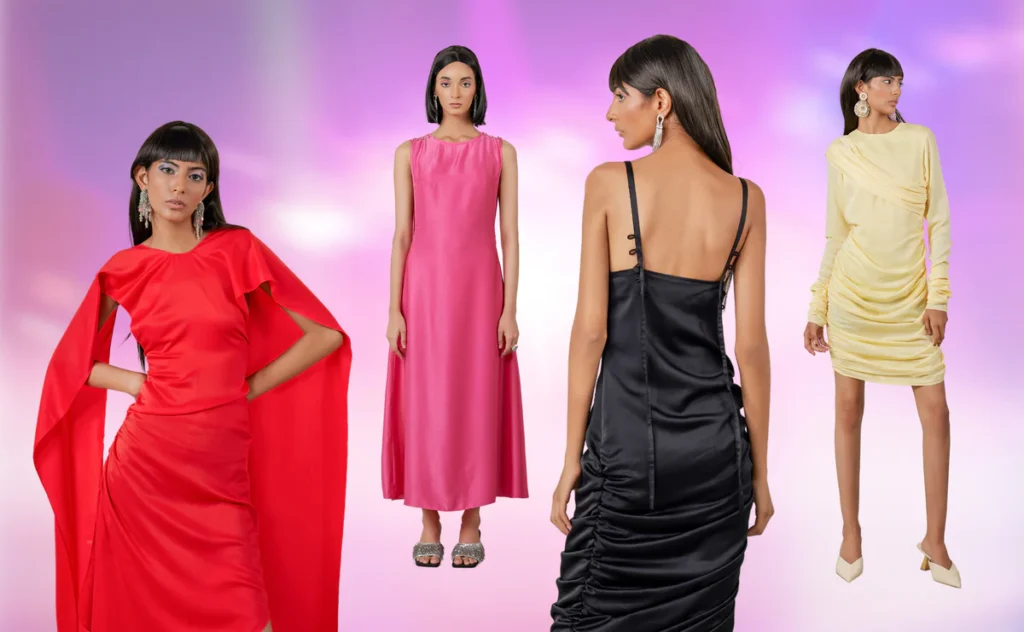
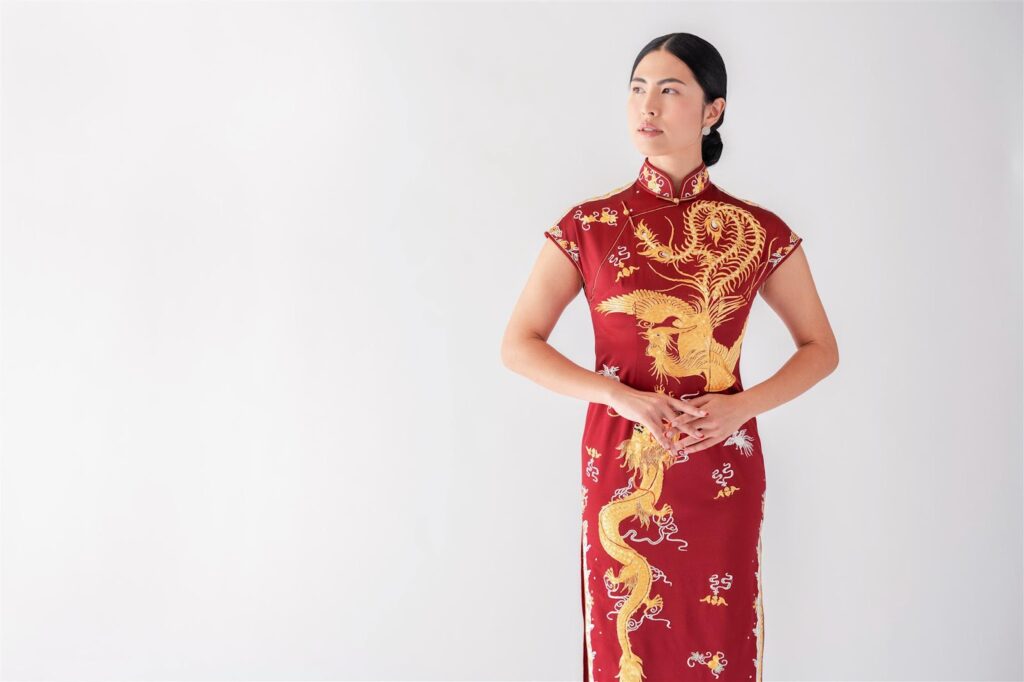
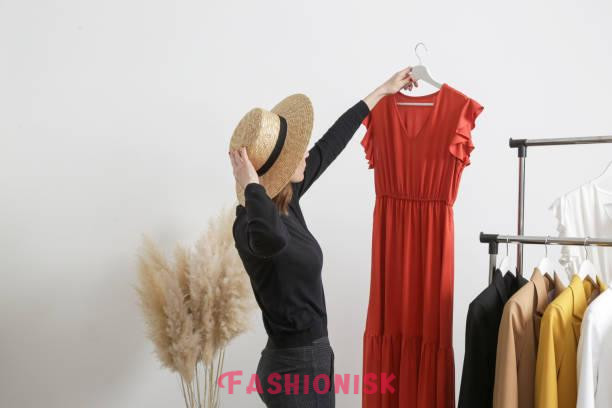
Fashion is deeply connected to identity. What we wear reflects how we feel, how confident we are, and how we want to show up in the world. After a major body change, many women find themselves standing in front of their closets feeling unsure. Clothes that once felt perfect may no longer fit the same way, while new silhouettes suddenly feel exciting. This moment of uncertainty is also an opportunity: a chance to rediscover fashion on your own terms.
Learning to See Your Body Again
After a transformation, it’s common to feel disconnected from your reflection at first. The body may look different, move differently, or respond differently to clothing. Rather than rushing to replace everything in your wardrobe, it helps to take a step back and simply observe. Notice what feels comfortable now. Pay attention to what makes you stand a little taller or feel more at ease. This phase is less about trends and more about awareness. Soft fabrics, flexible fits, and forgiving cuts often feel more supportive during this time. Instead of asking, “Does this look good?” a better starting question might be, “How does this make me feel?” Comfort builds confidence, and confidence naturally shapes style.
Letting Go of Old Rules
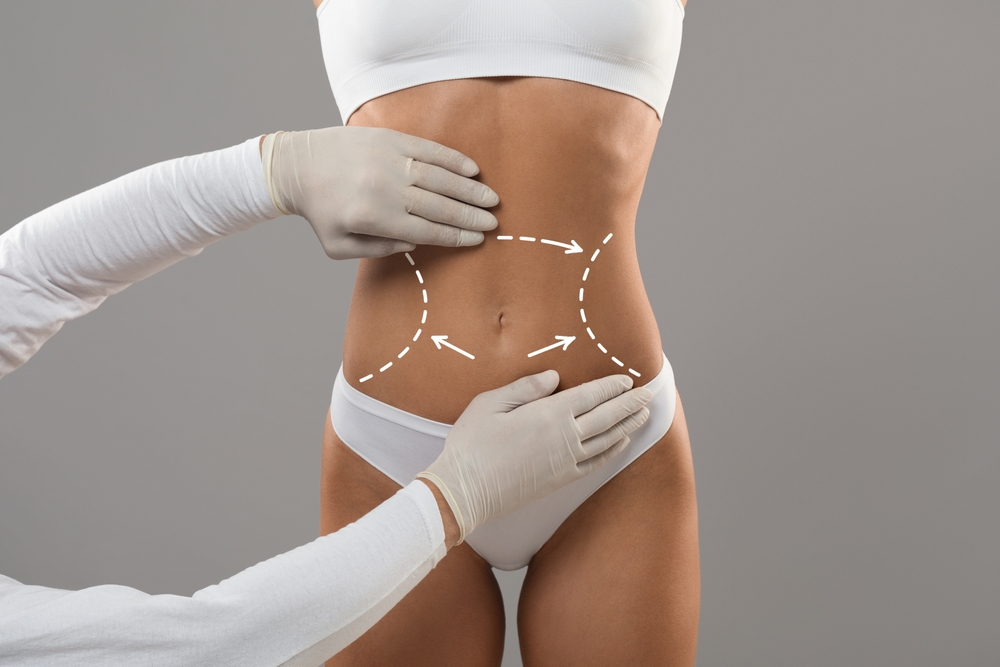
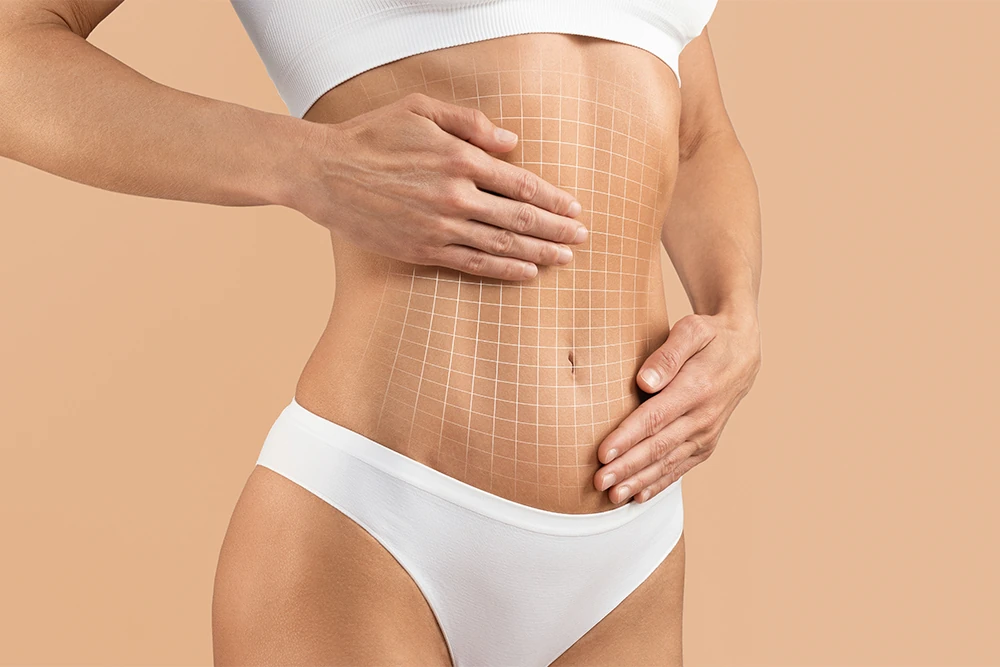
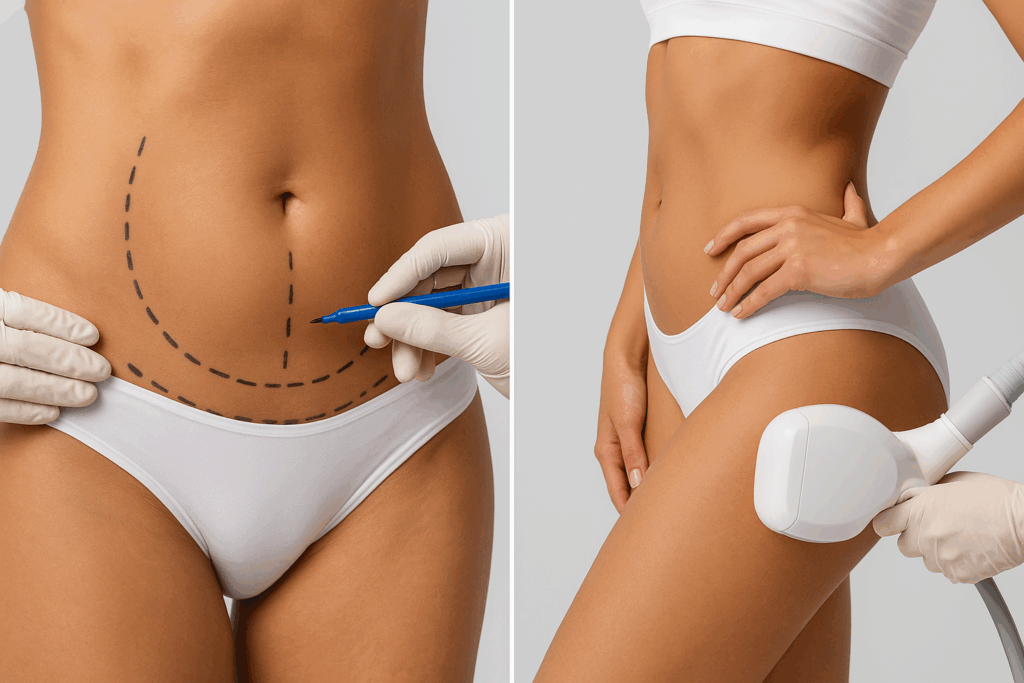
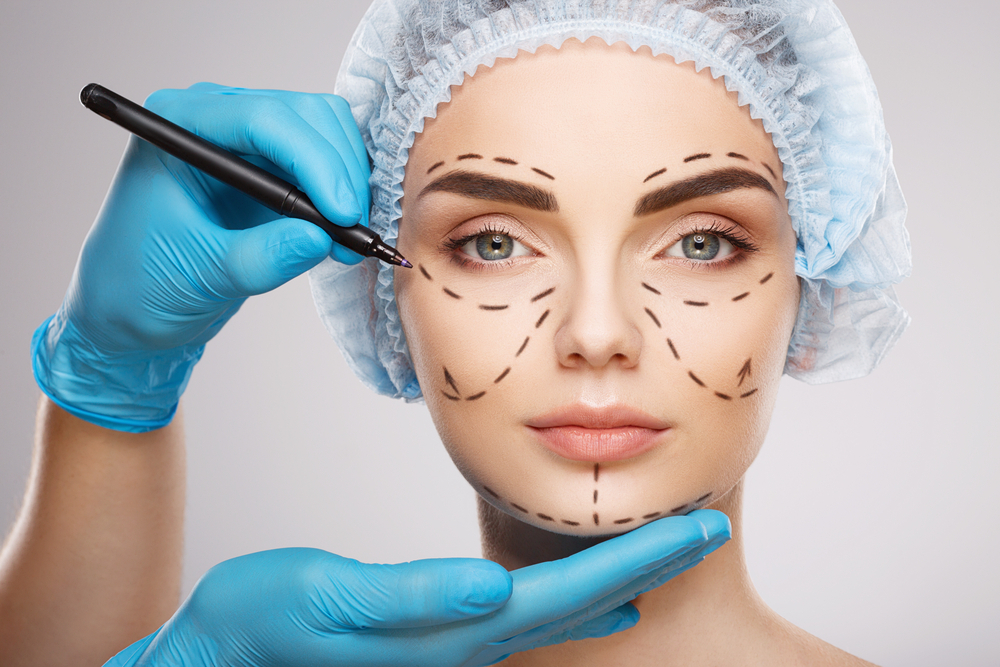
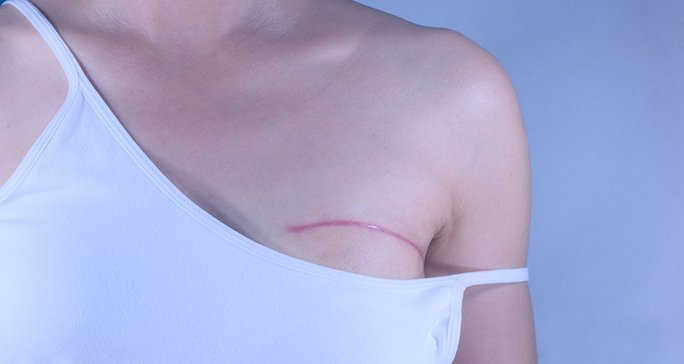
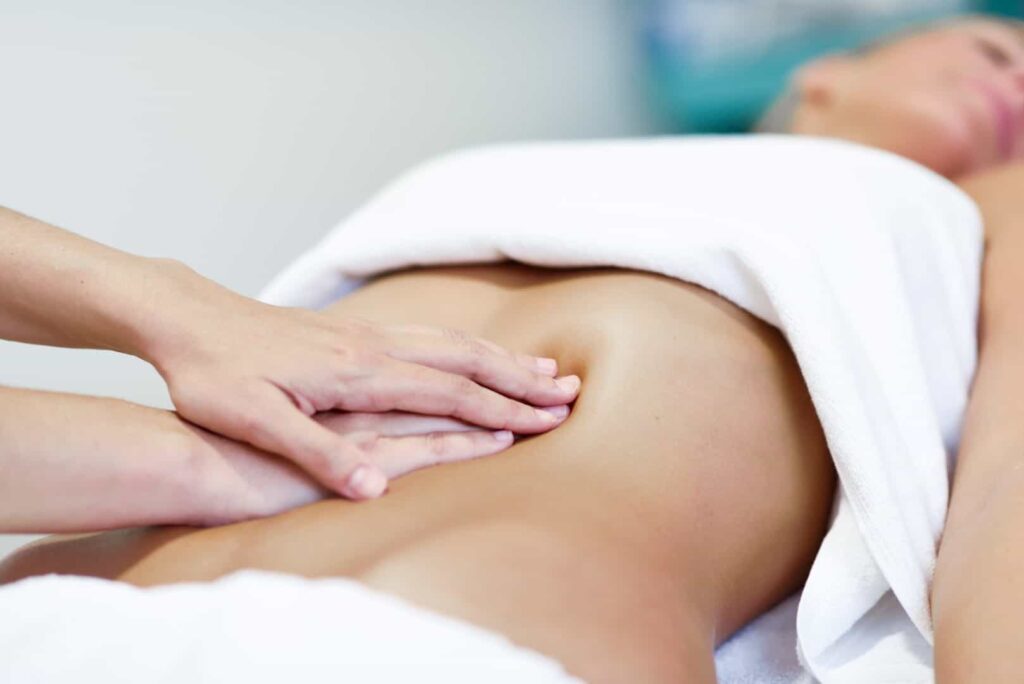
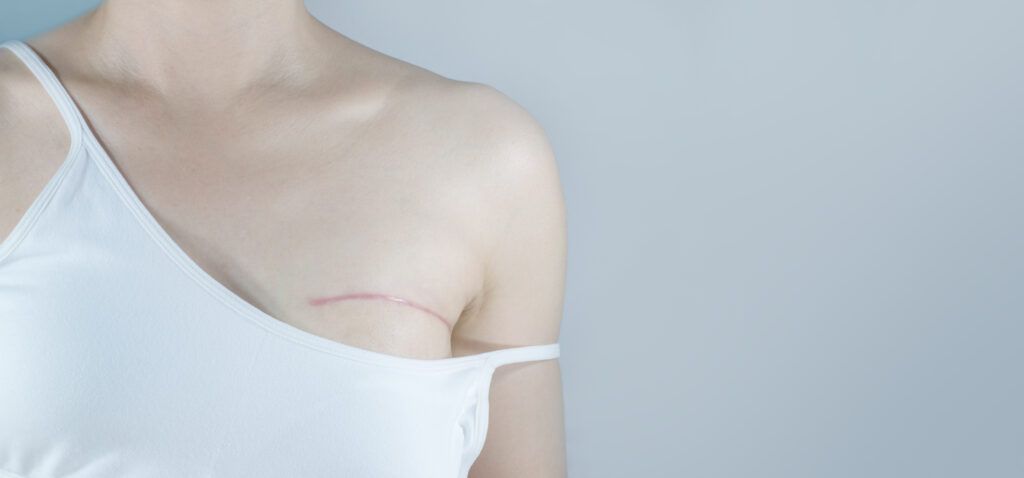
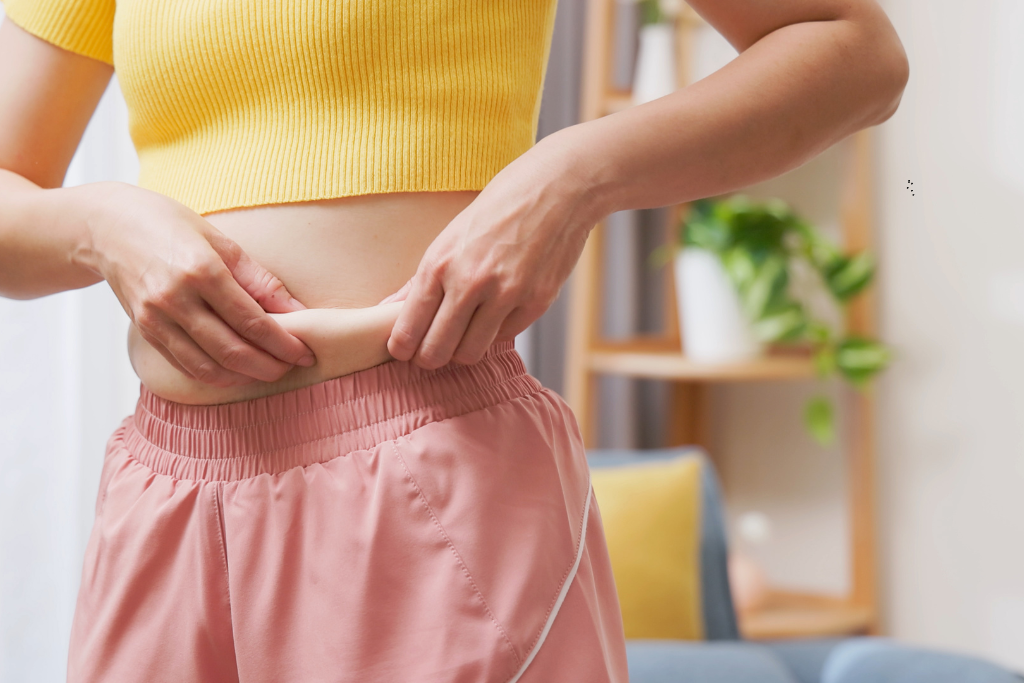
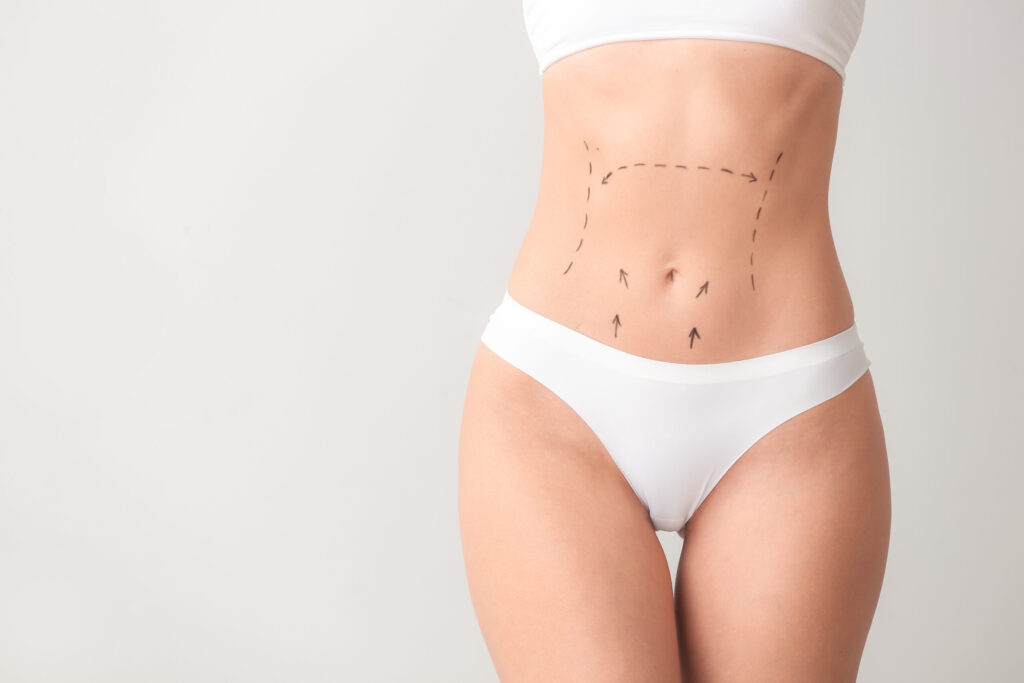
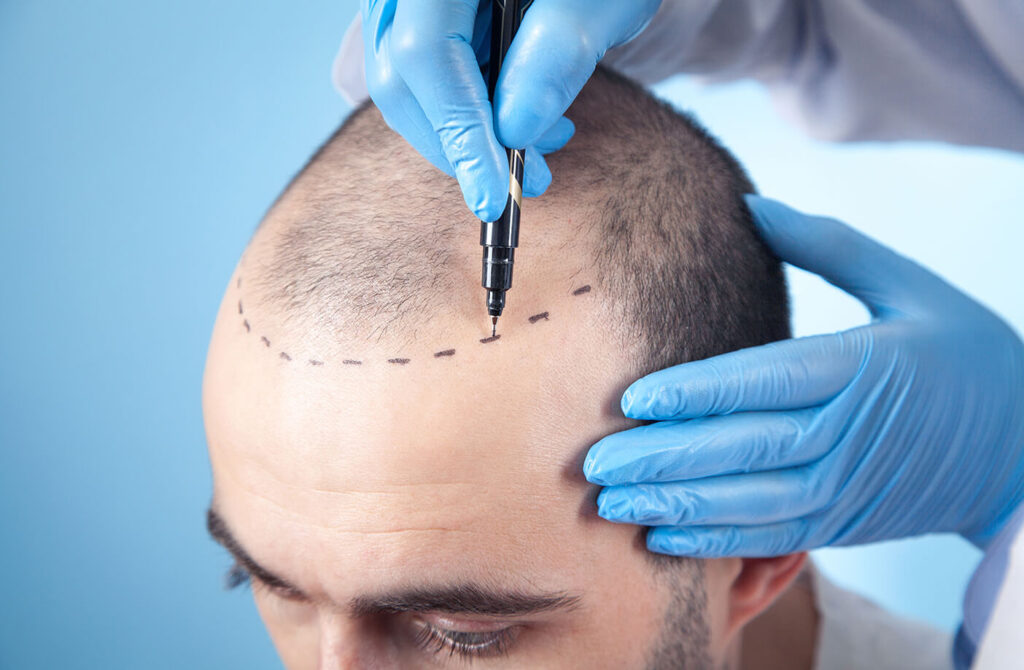
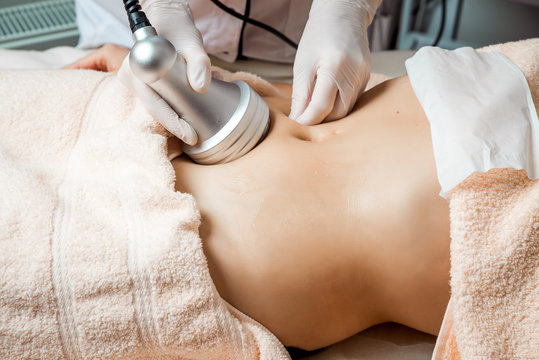
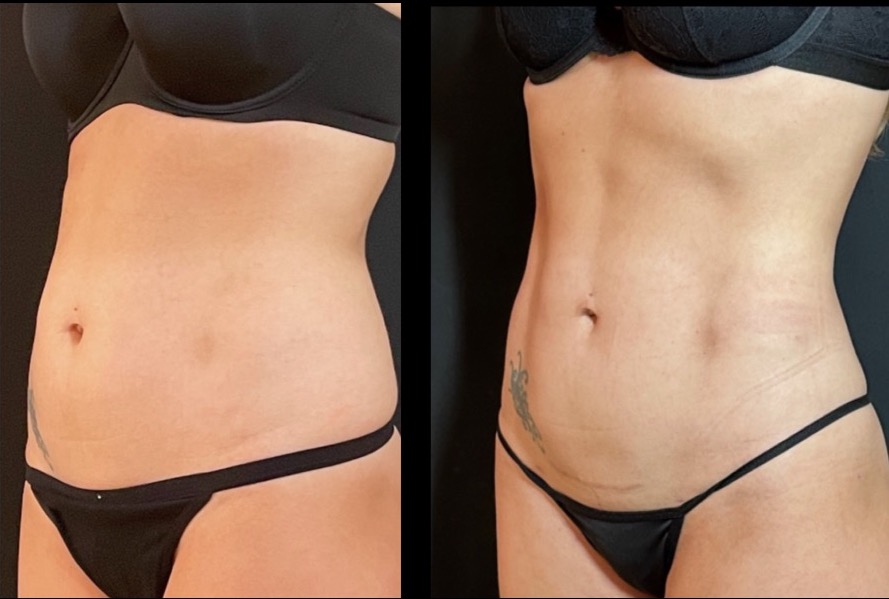
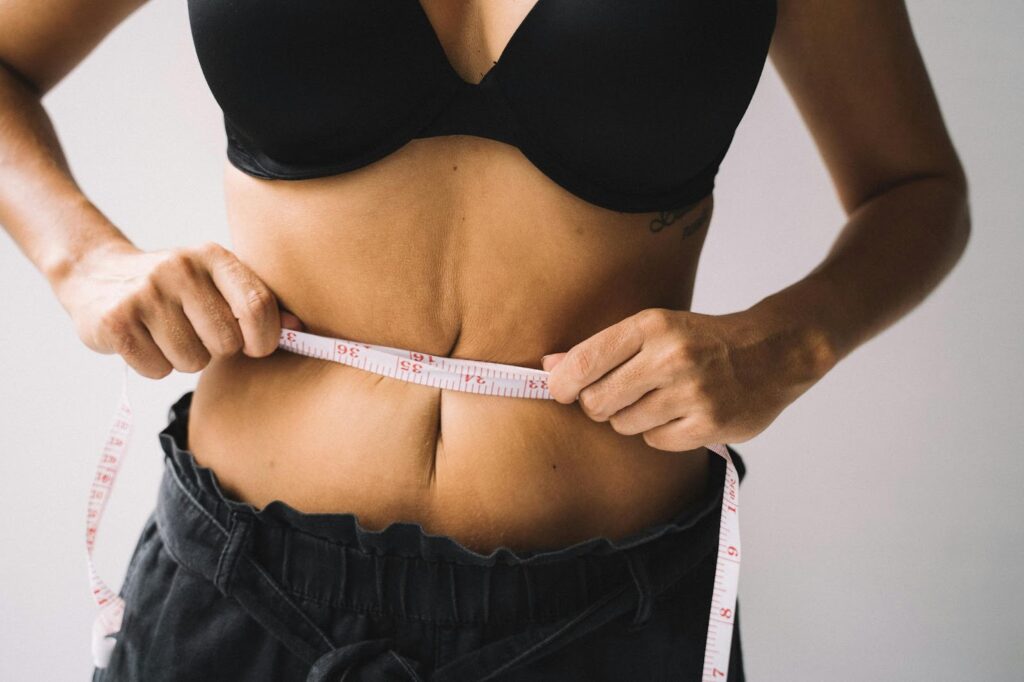
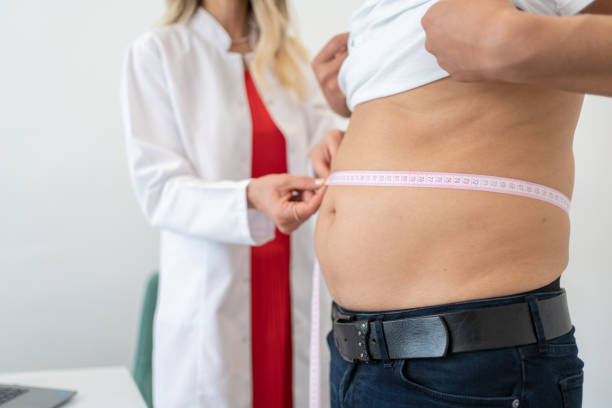
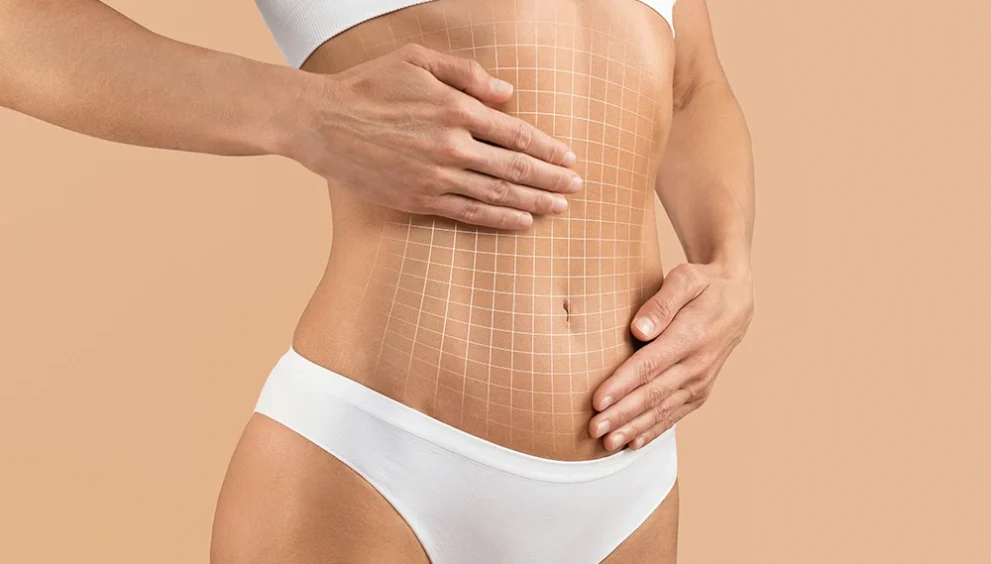
Many women carry long-standing fashion rules or ideas about what they should hide, highlight, or avoid. After a major body change, such as a tummy tuck, these rules may no longer apply, and holding onto them can limit growth. A piece you once avoided may now feel flattering, while something you relied on before might no longer serve you. Letting go doesn’t necessarily mean that you’re abandoning your taste, but rather allowing your style to evolve with you. Fashion after transformation is about dressing for who you are becoming.
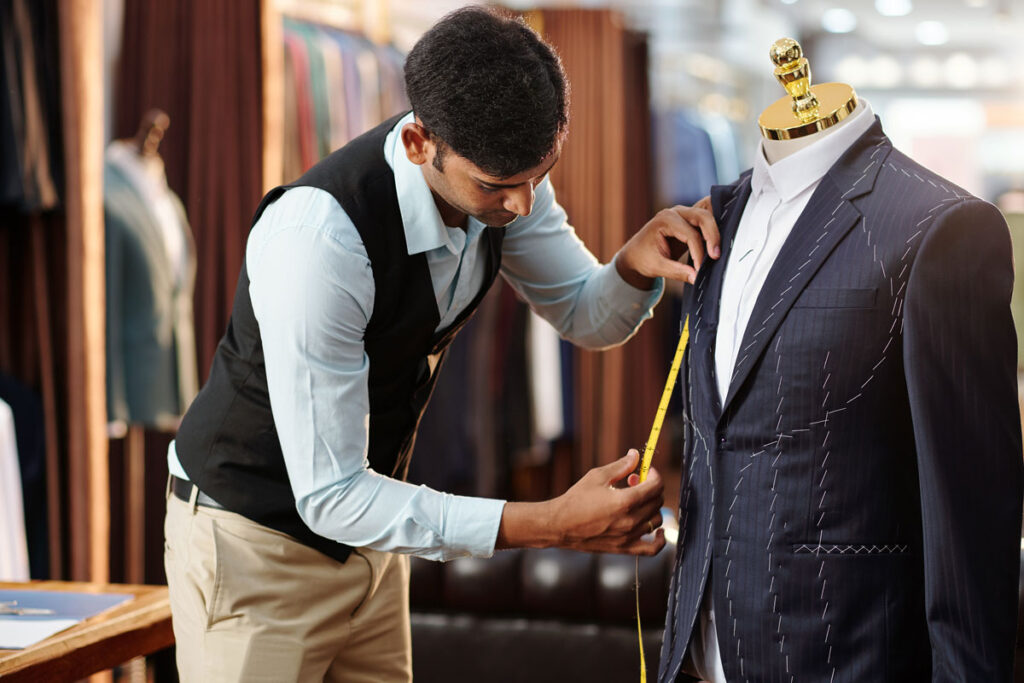
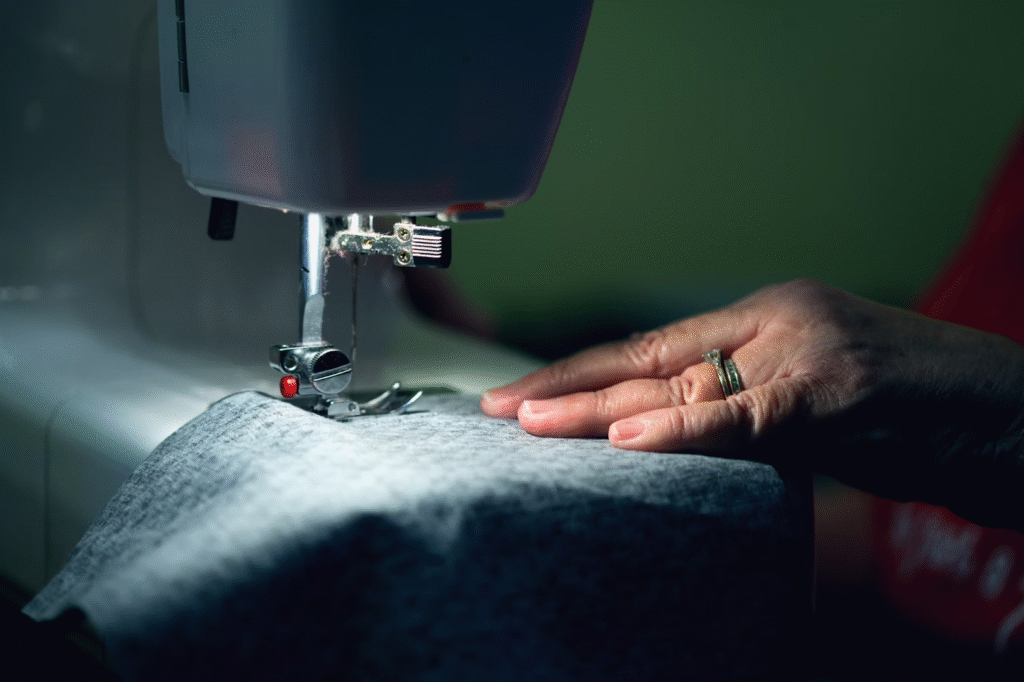
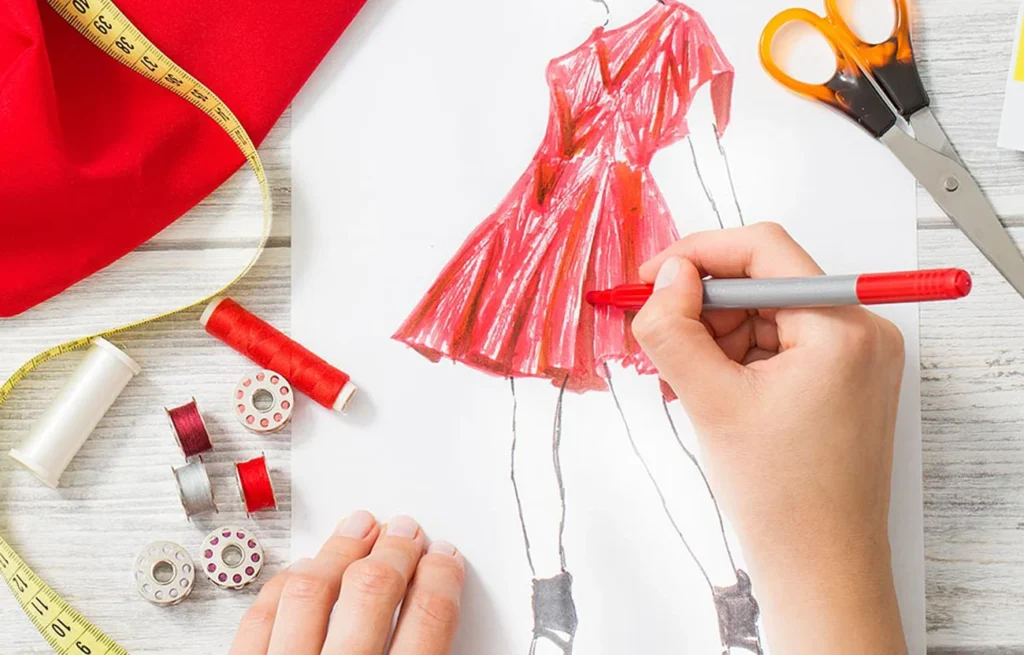
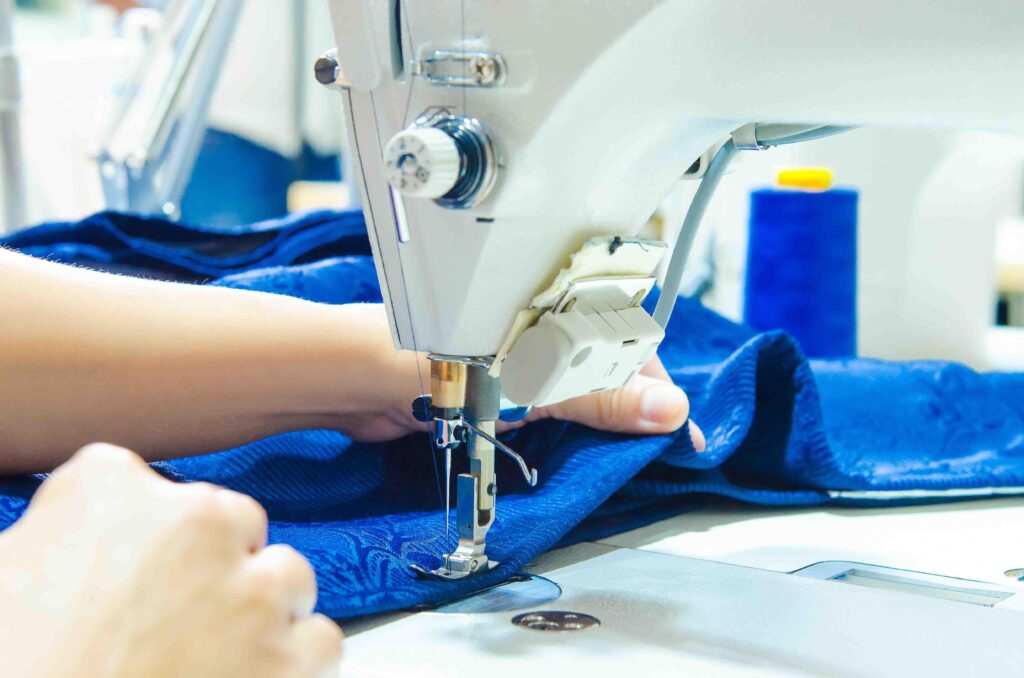
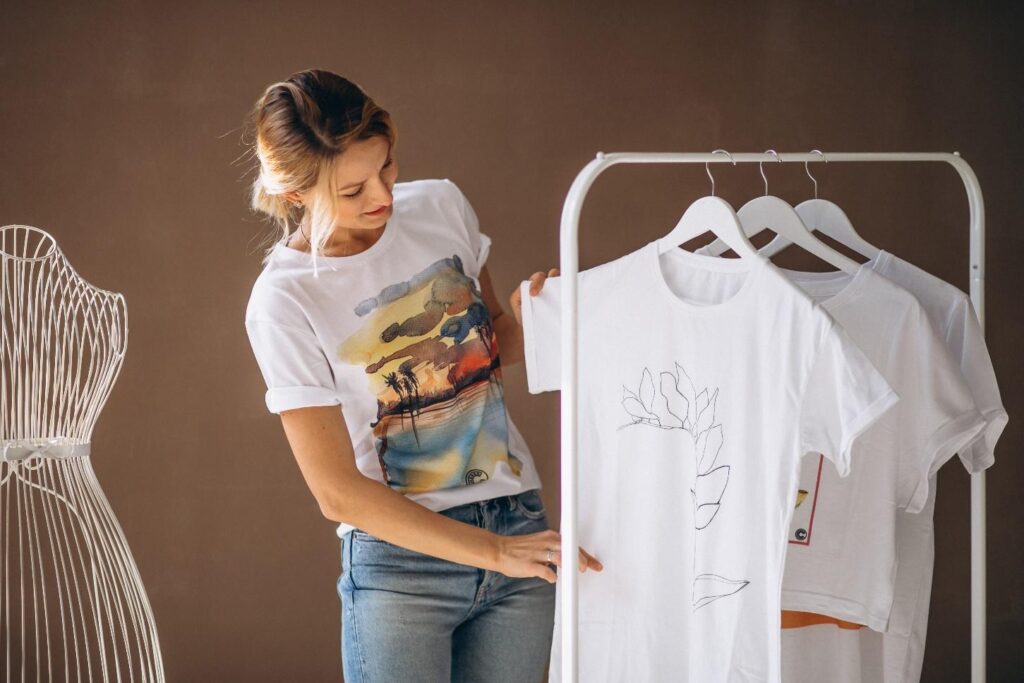
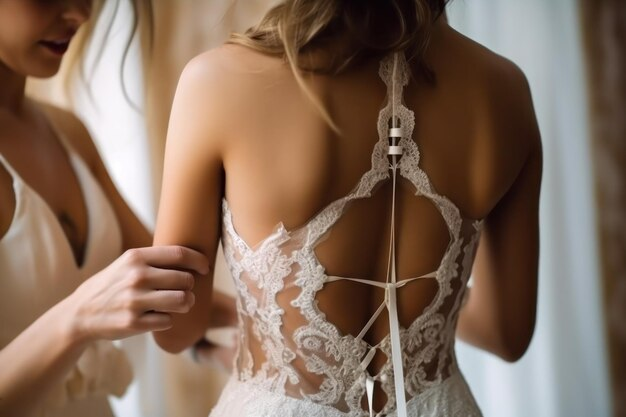
After all, sizes may shift, proportions may change, and familiar silhouettes can behave differently. This adjustment takes patience and tailoring becomes especially valuable here as it becomes a way to allow your clothes to meet your body where it is.
Dressing for Confidence, Not Comparison
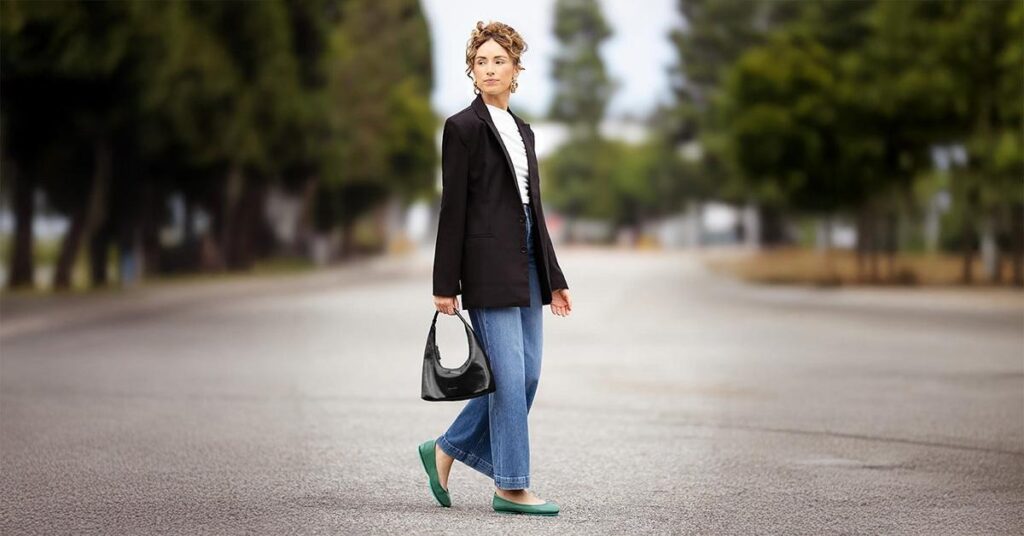
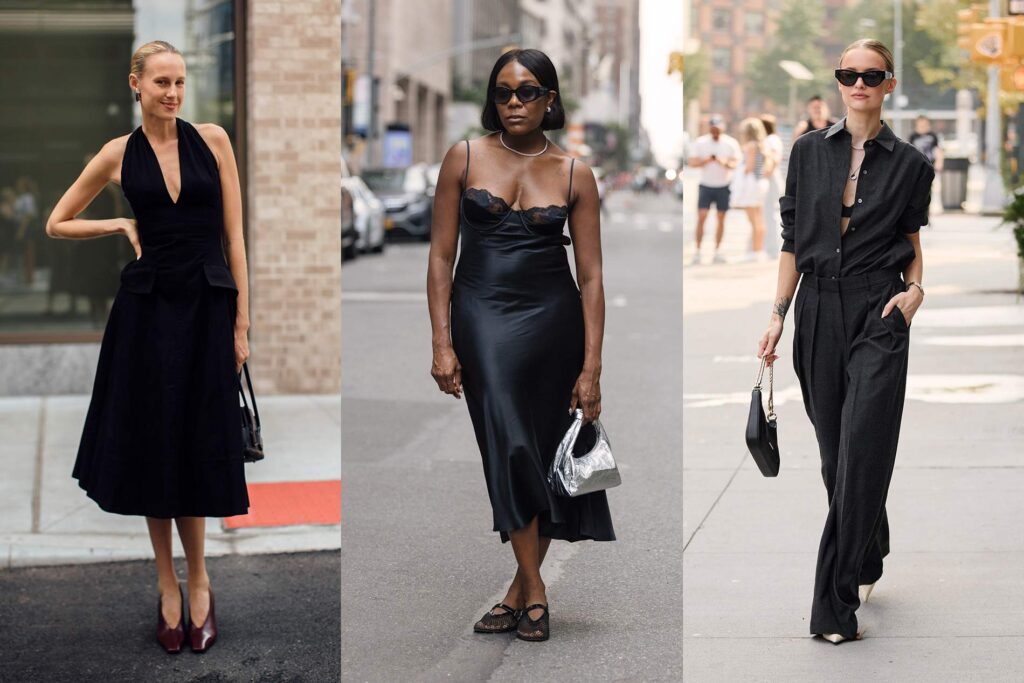
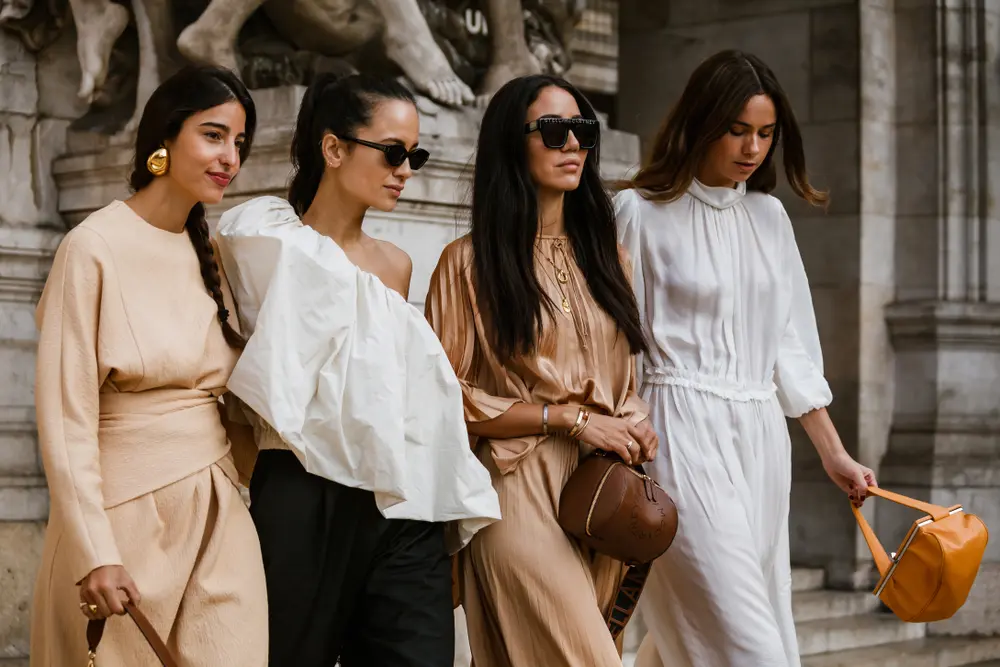
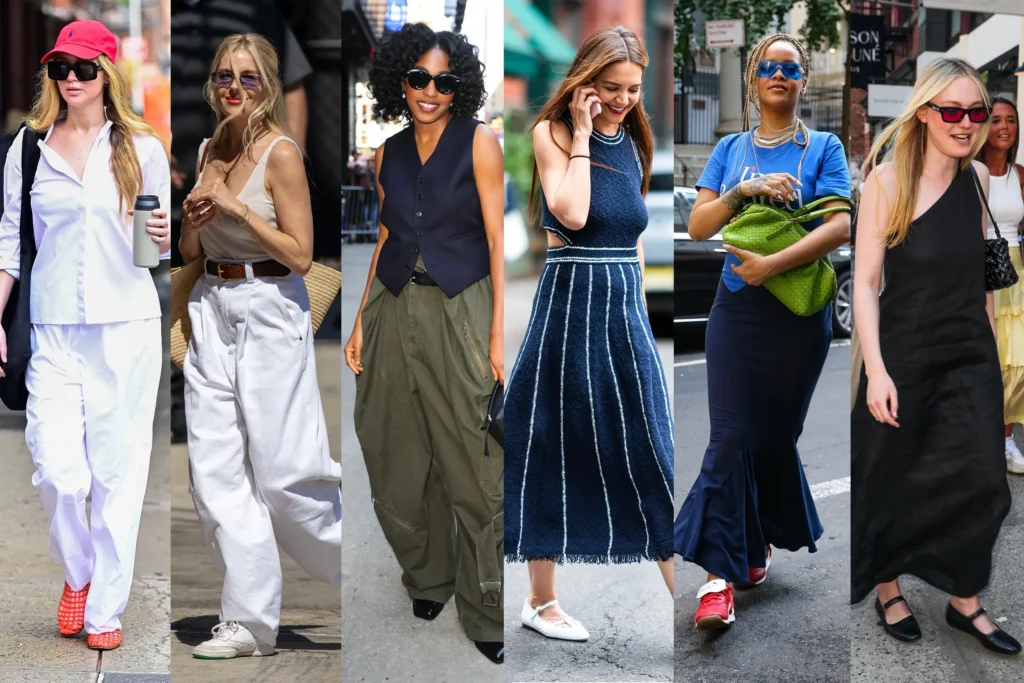
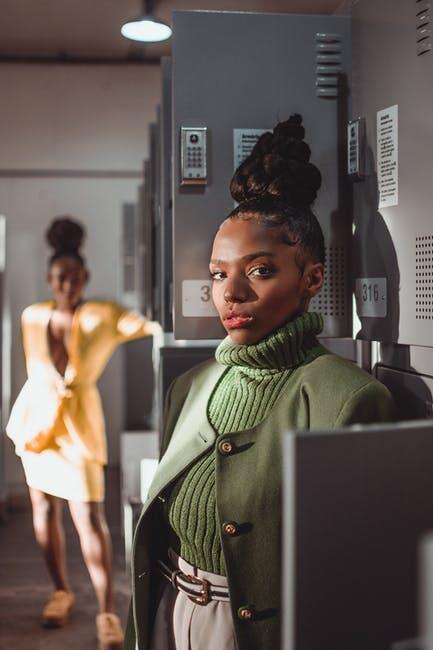
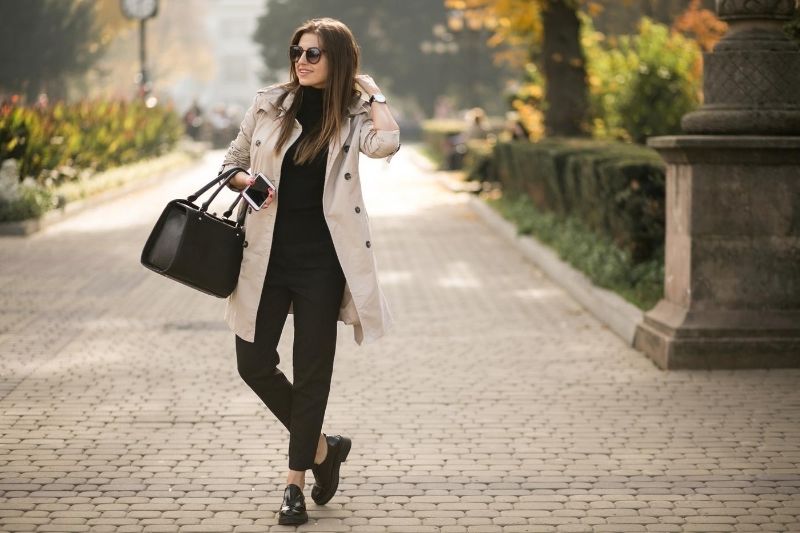
It’s easy to compare yourself to past versions of your body or to others around you, but comparison rarely leads to confidence. Post-transformation style works best when it’s rooted in self-trust. Instead of asking whether an outfit measures up, focus on whether it reflects how you want to feel moving through your day. Confidence-driven dressing often looks simpler than expected. Clean lines, intentional layering, and pieces that fit well tend to outshine trend-heavy outfits. When you feel grounded in your body, fashion becomes less about approval and more about expression.
Exploring New Silhouettes Safely
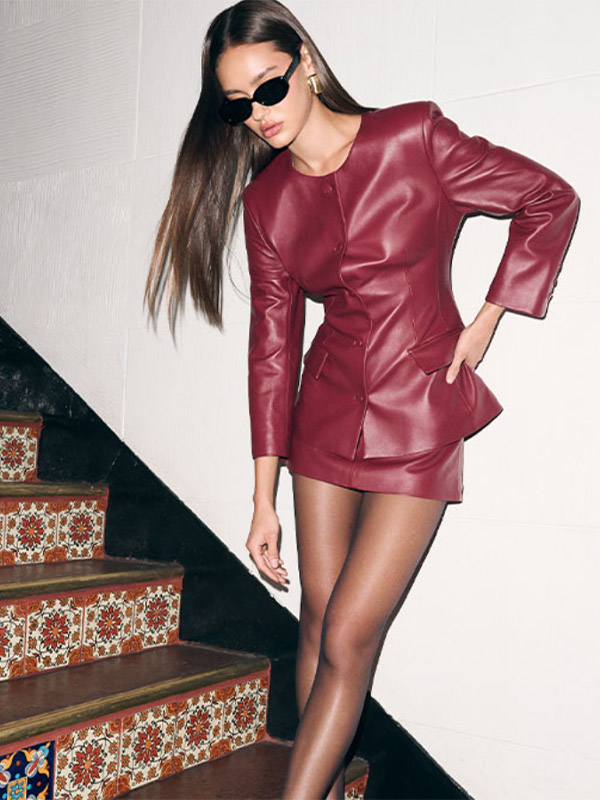
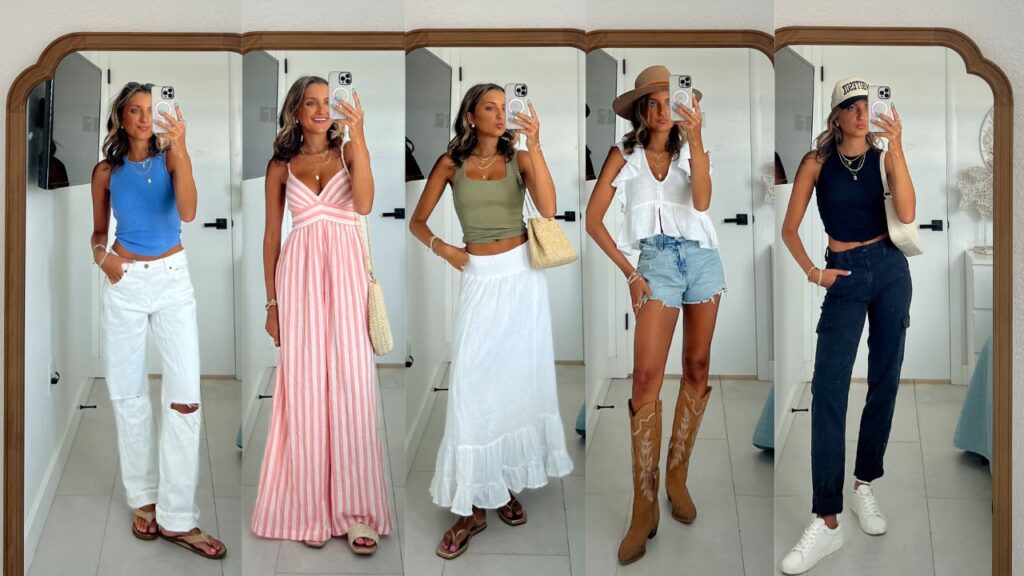
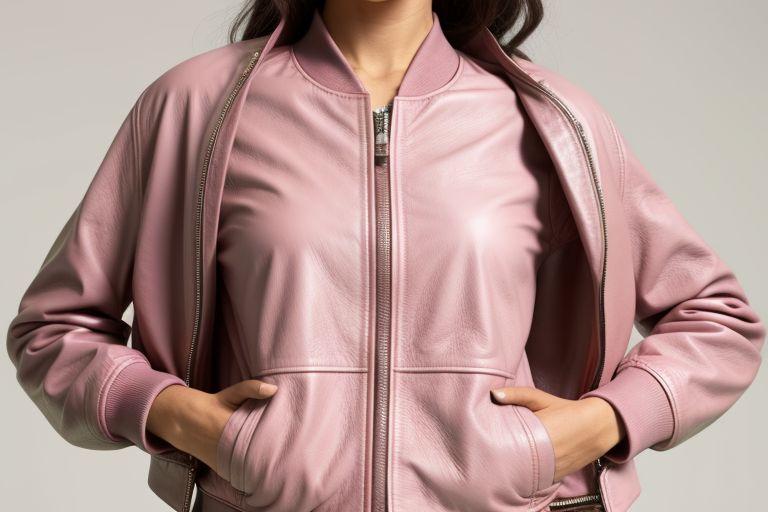
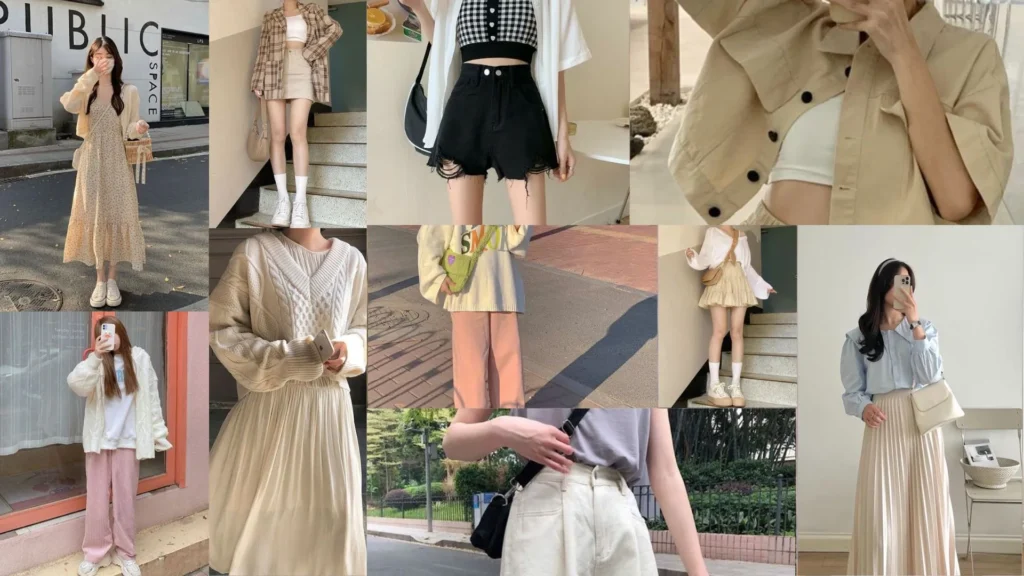
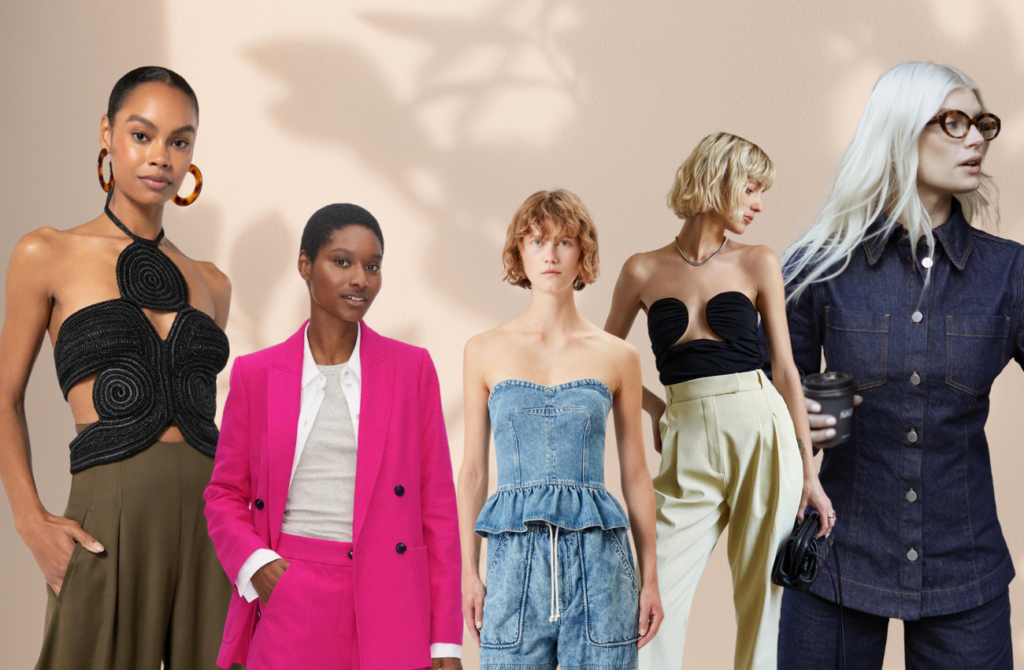
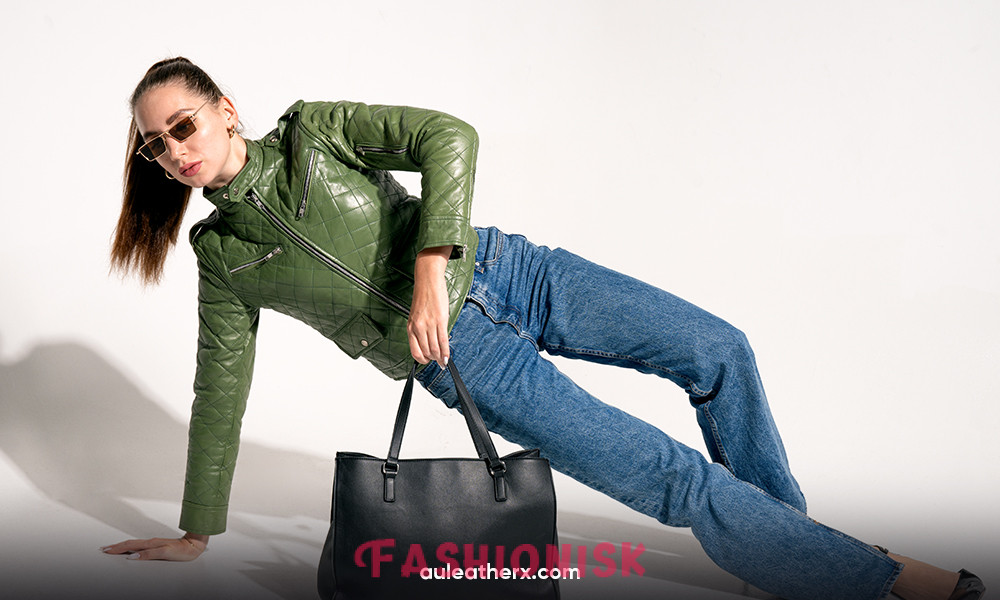
Trying new shapes can feel intimidating, especially if you’ve spent years sticking to a narrow range of styles. Start small. Introduce one unfamiliar element at a time—a cropped jacket, a softer neckline, or a fabric you’ve never worn before. Pair it with something familiar to maintain balance. This approach reduces pressure and keeps experimentation enjoyable. Fashion rediscovery isn’t a performance; it’s a process. Each small success builds momentum and helps you trust your instincts again.
Honoring the Emotional Side of Style
Body changes are rarely just physical. They can bring up pride, grief, relief, or uncertainty—all at once. Clothing interacts with these emotions more than we often realize. A dress might feel empowering one day and overwhelming the next, and that’s okay. Allowing space for emotional fluctuation is part of rebuilding a healthy relationship with fashion. Some days call for structure, others for softness. Having a wardrobe that supports both can make a big difference.
Practical Styling Tips for Navigating Fashion After a Body Change
When your body changes, getting dressed can feel overwhelming—not because fashion is complicated, but because your reference point has shifted. Having a few practical guidelines can make the process easier and far less emotional. These tips are meant to support exploration without pressure, helping you rebuild trust in your style instincts.
- Prioritize fit over size labels: Sizes vary widely, and after a body change, the number on the tag matters far less than how the garment actually fits and feels. Choose clothes that sit comfortably on your body, even if that means sizing up or down from what you’re used to.
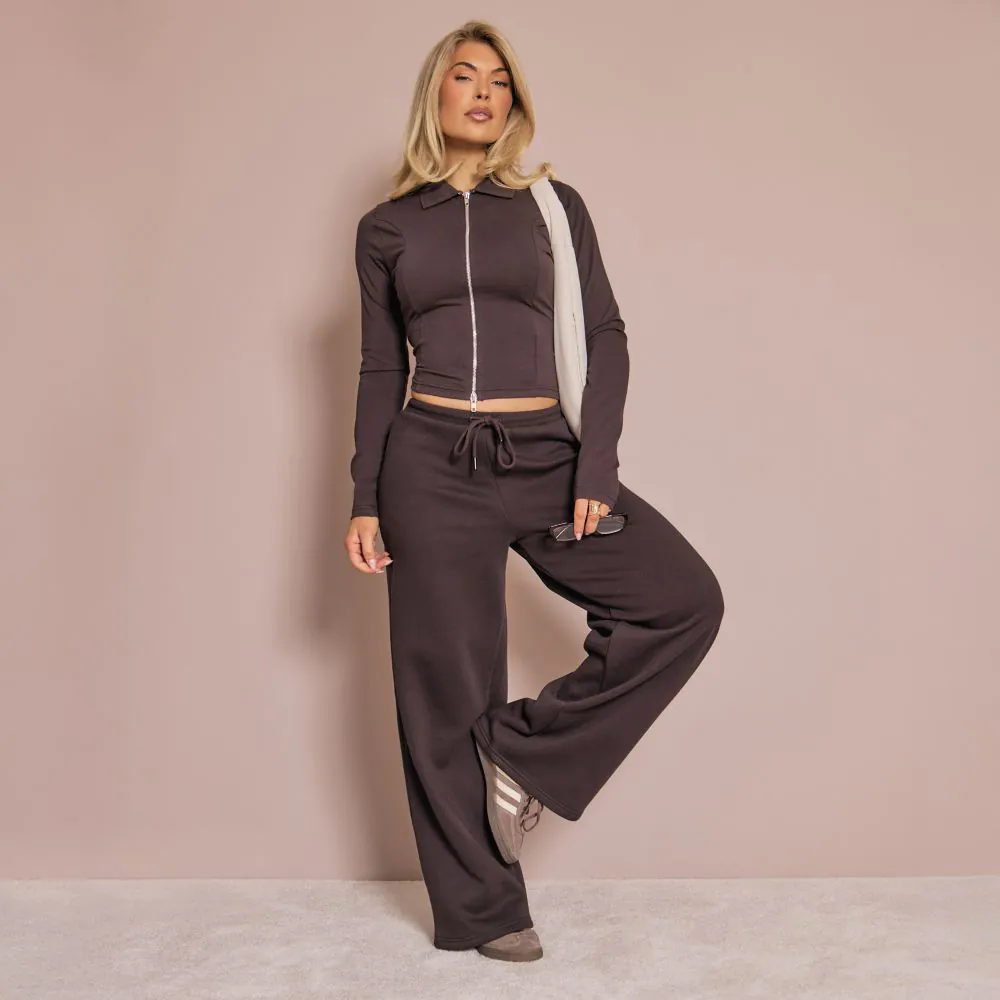
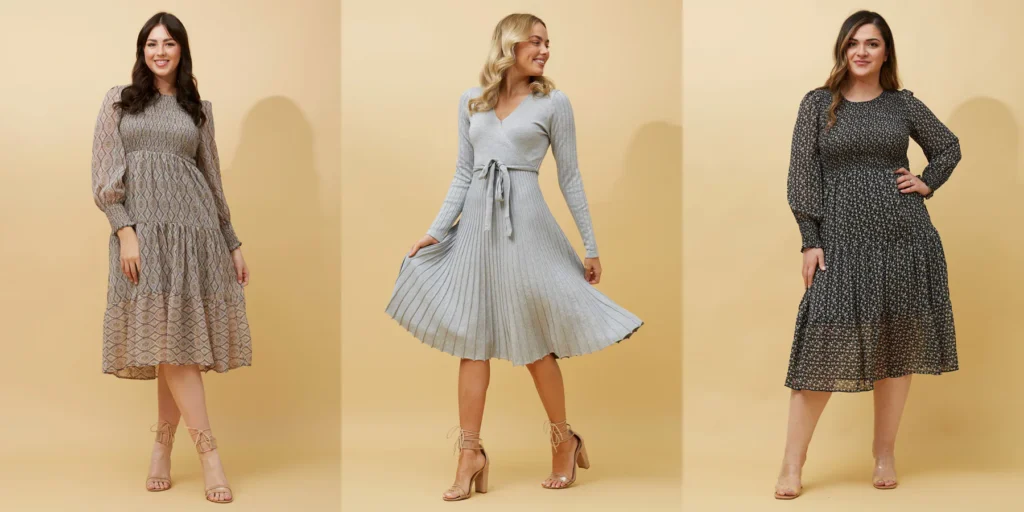
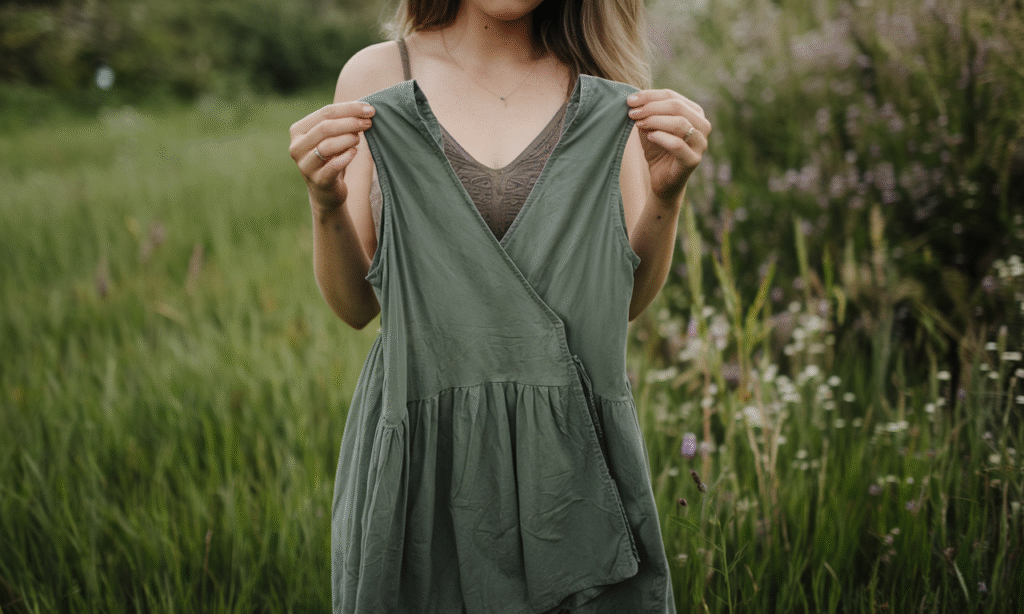
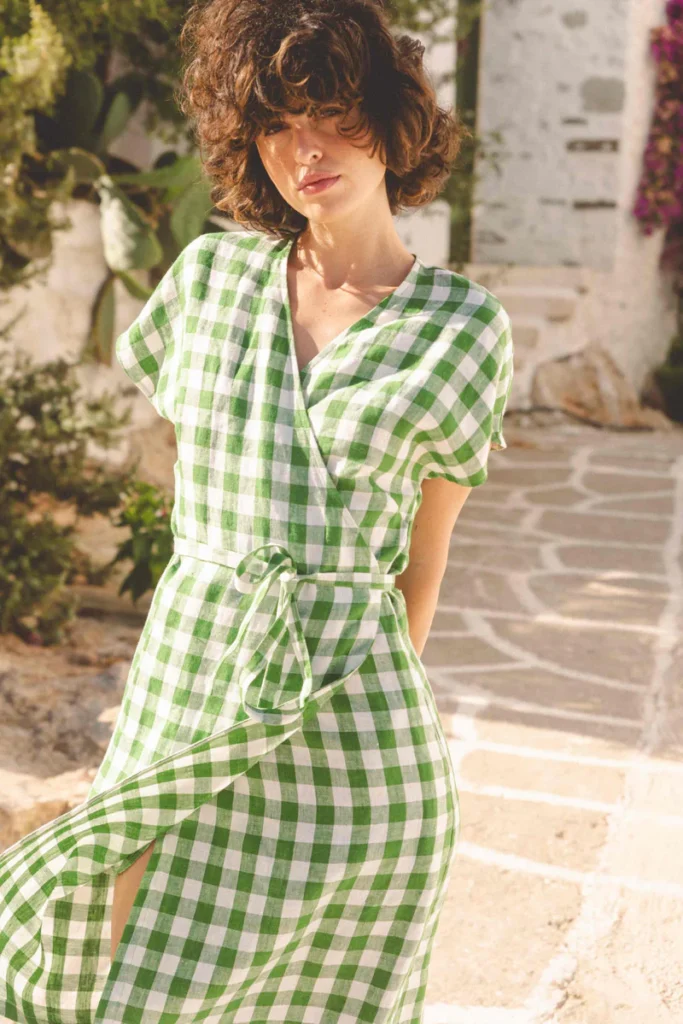
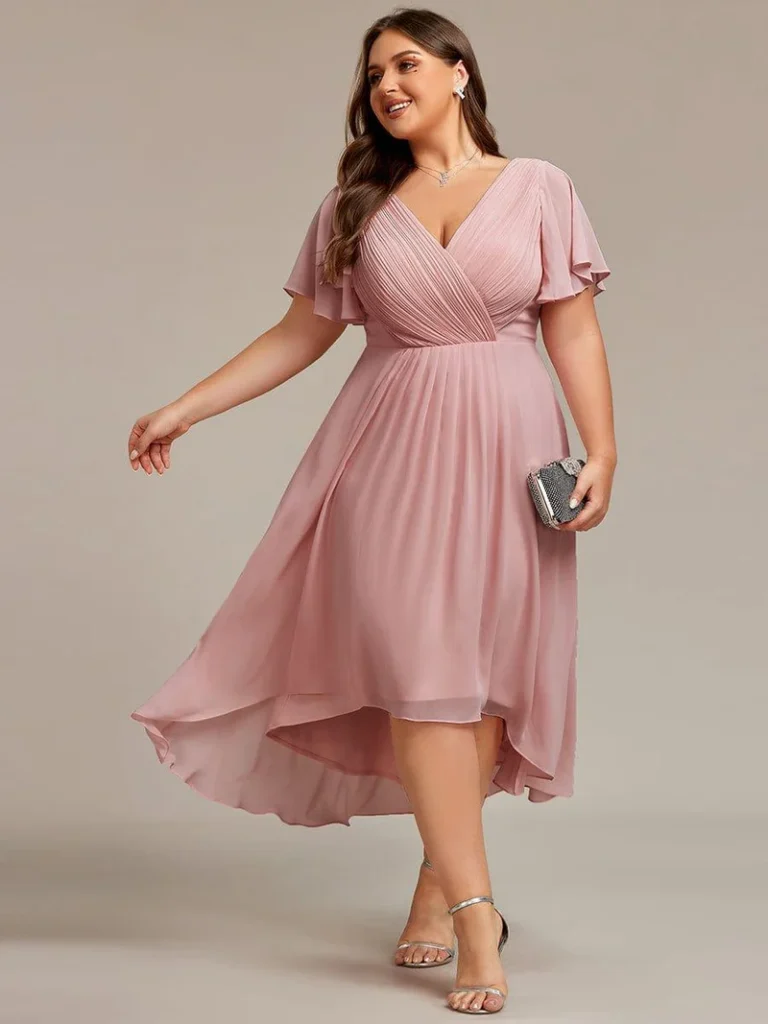
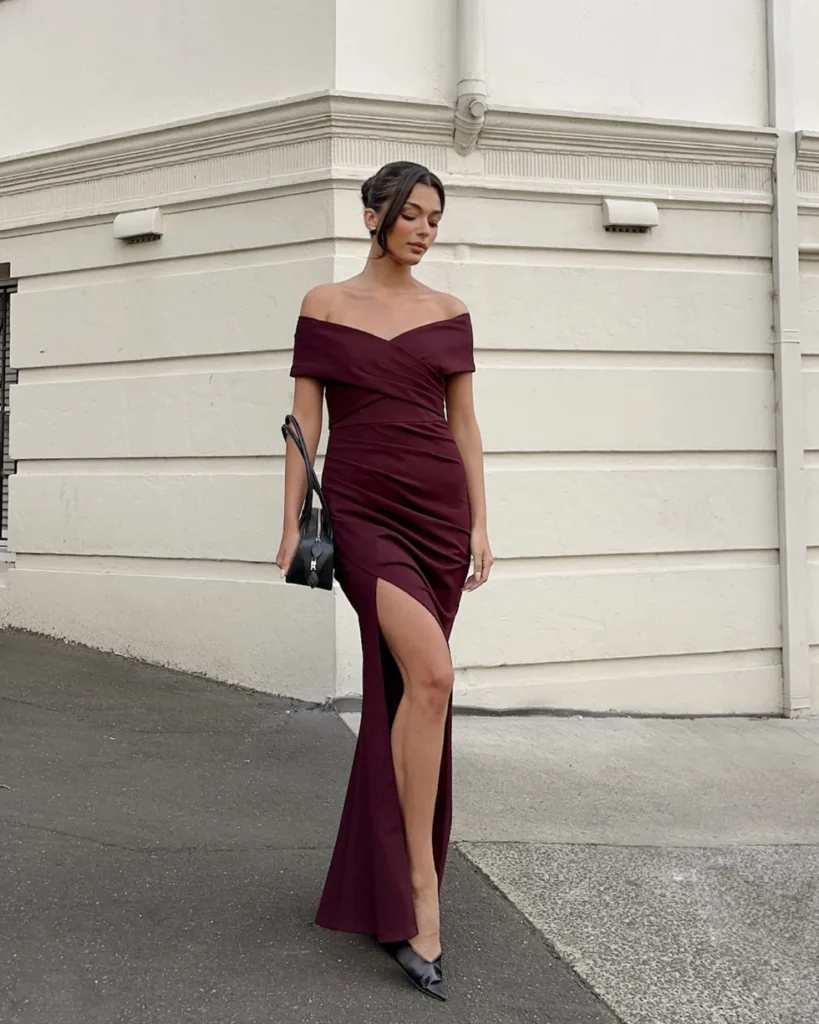
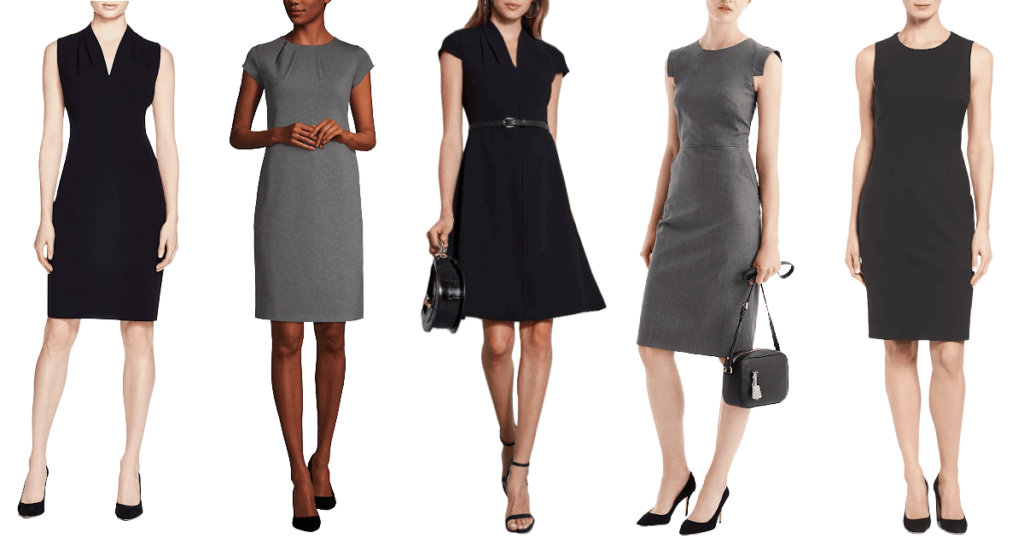
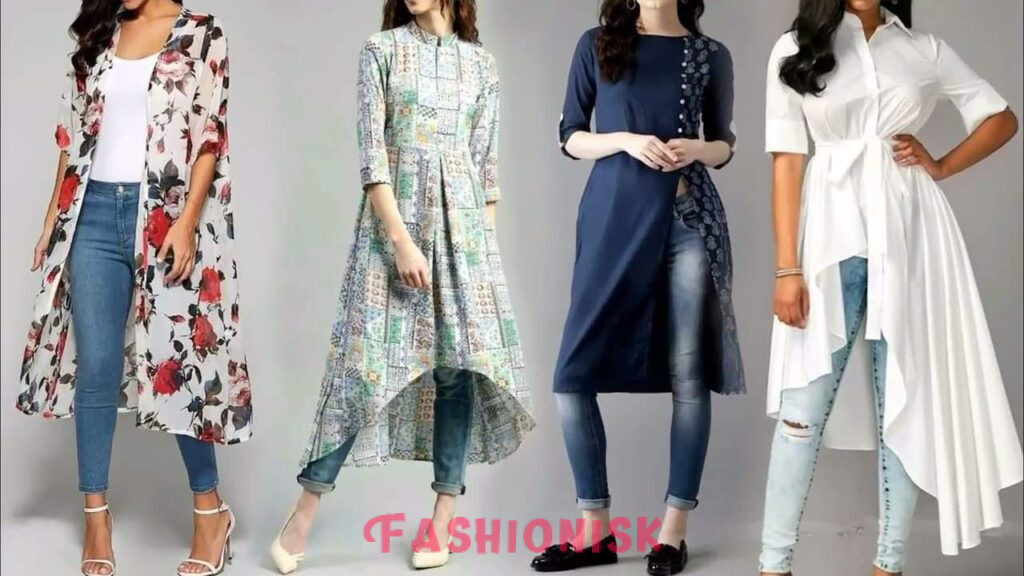
- Use structure where it helps: Light structure—like waist seams, darts, wrap designs, or tailored shoulders—can provide definition without feeling restrictive. These elements often help clothing fall more cleanly on the body.
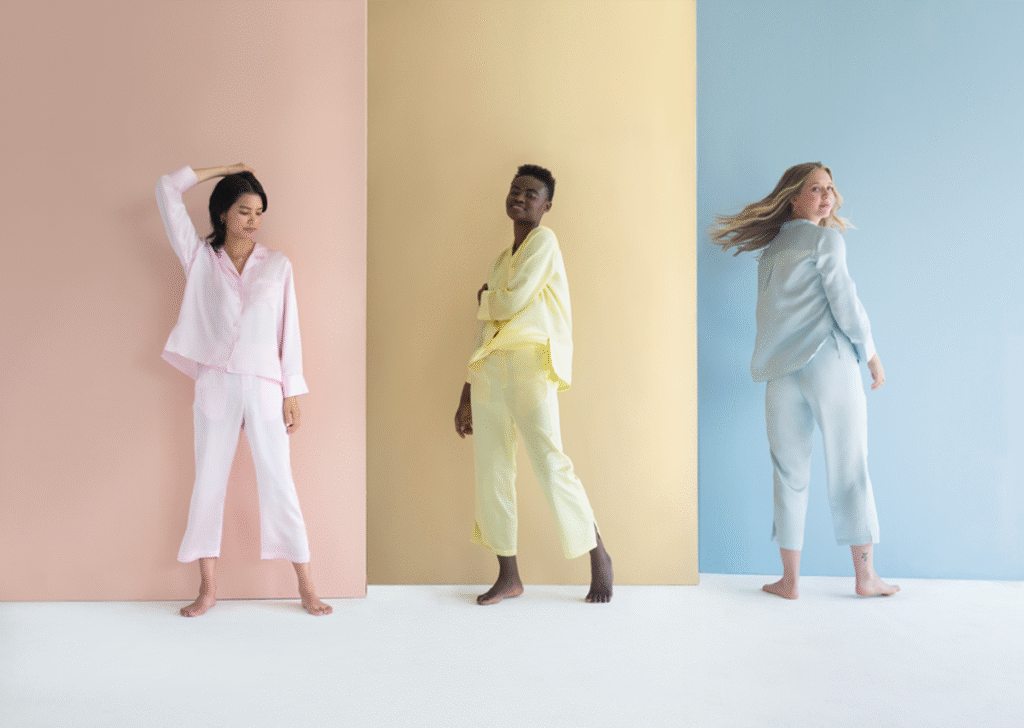
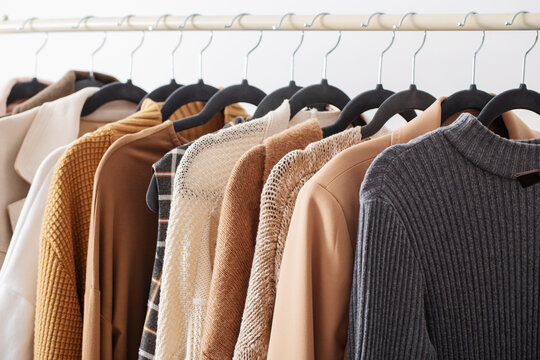
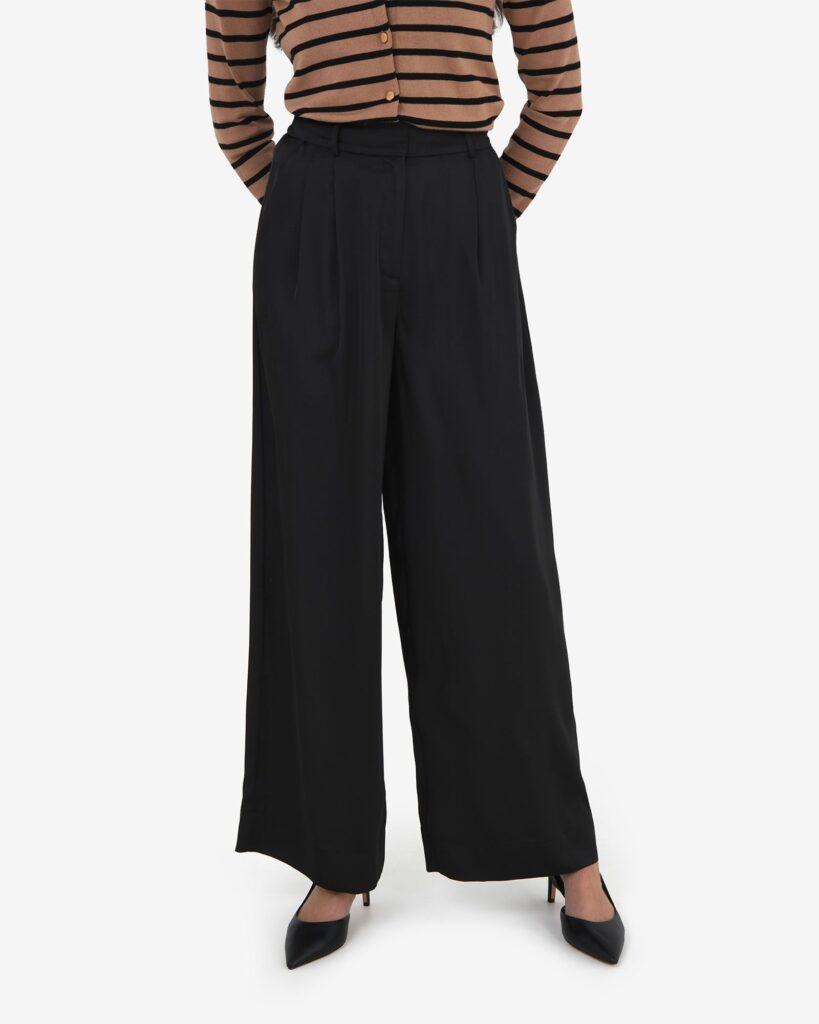
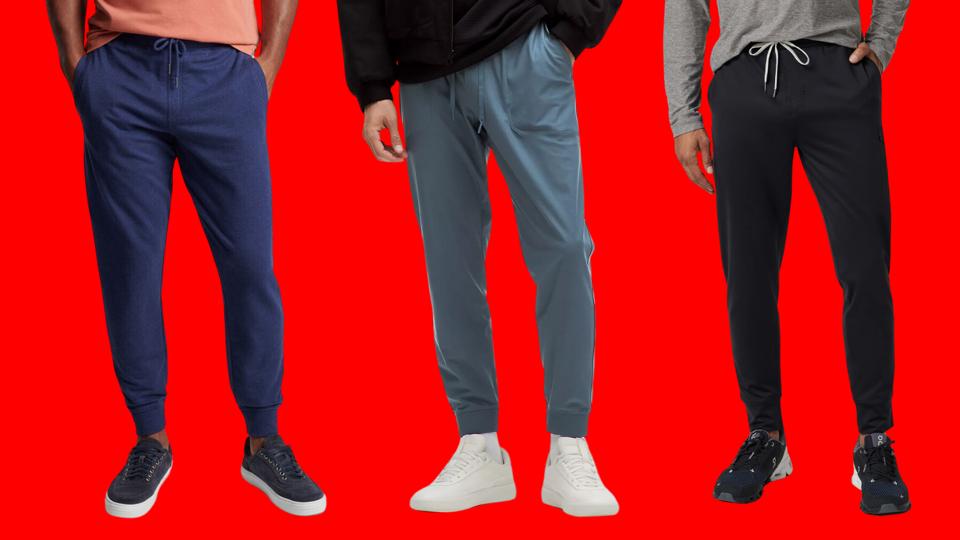
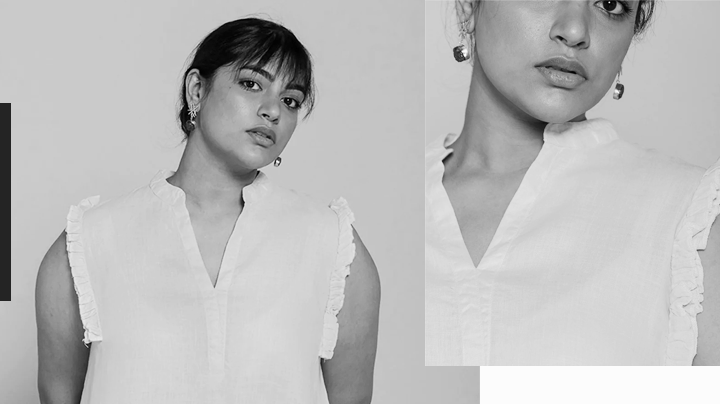
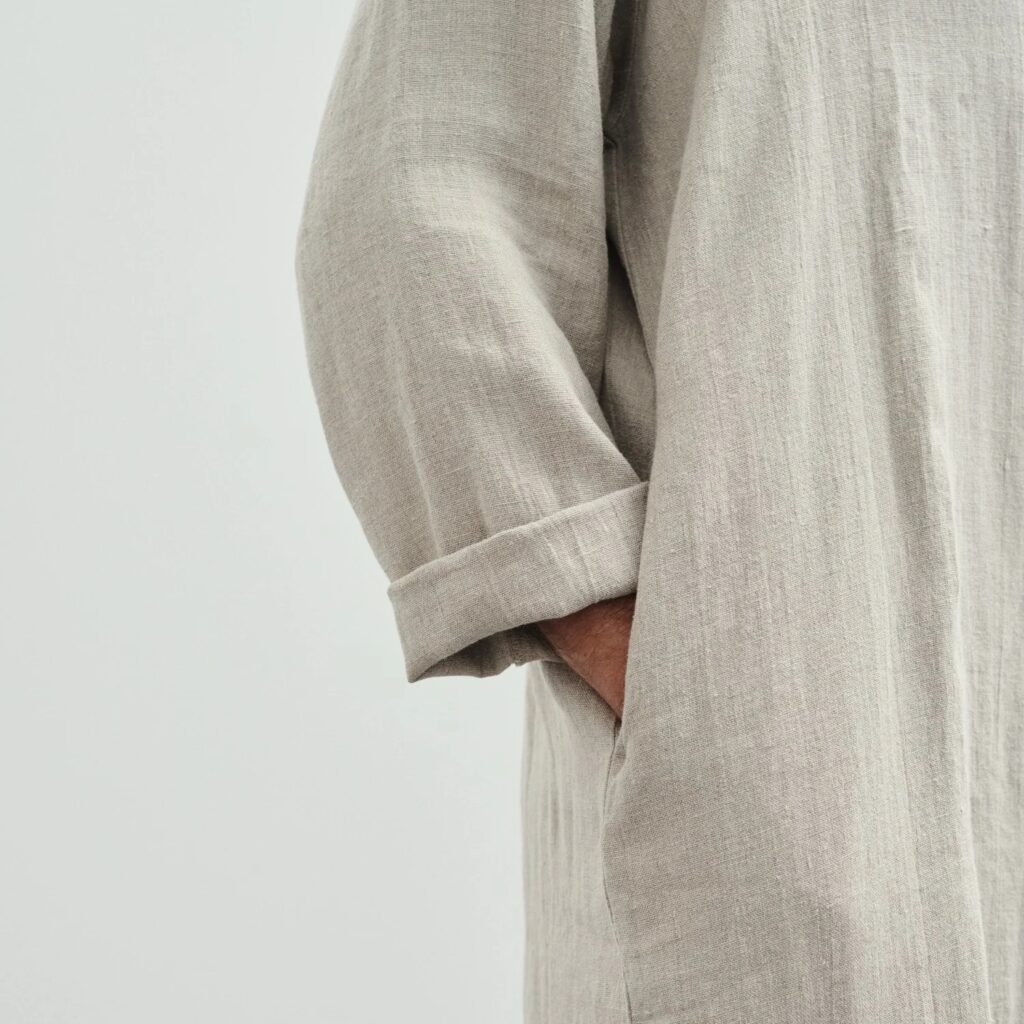
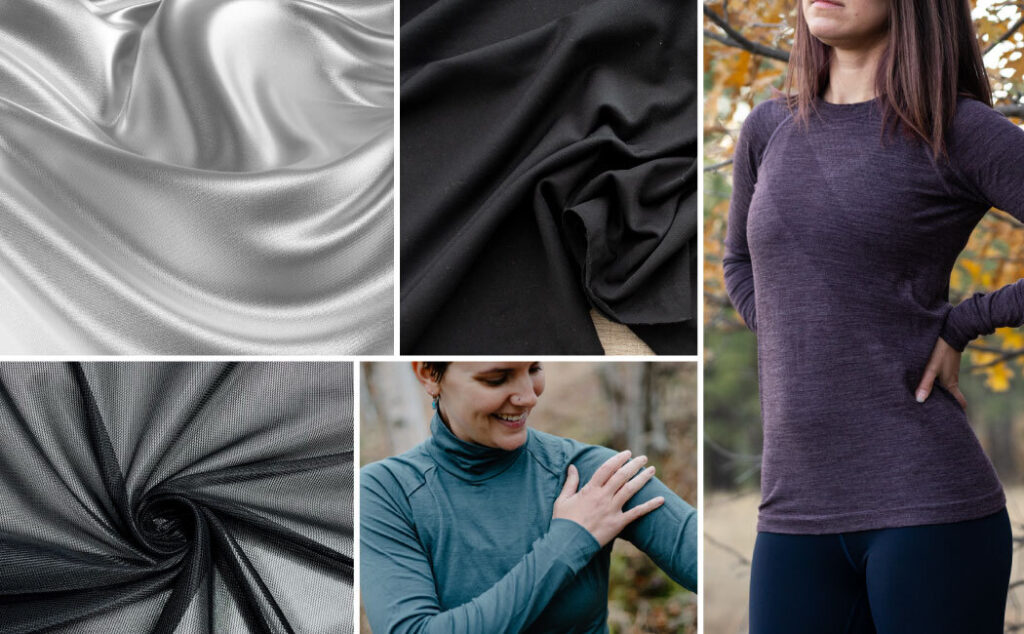
- Choose fabrics that move with you: Stretchy knits, soft cotton blends, linen, and fluid wovens adapt better to changing shapes and tend to feel more forgiving throughout the day.
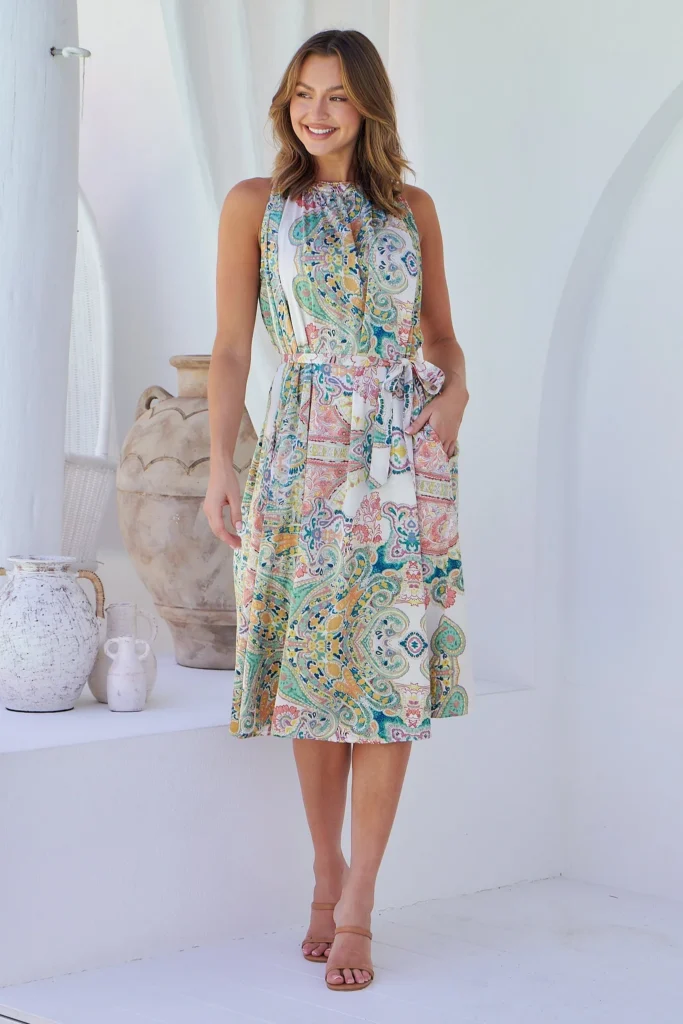
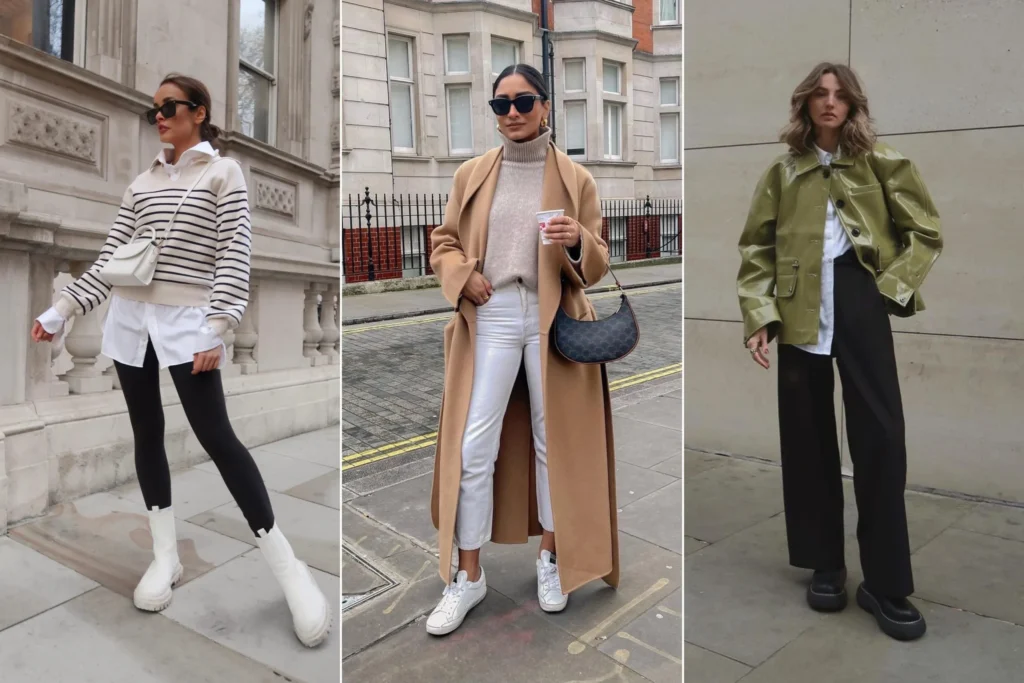
- Balance fitted and relaxed pieces: If one item is more fitted, pair it with something looser. This creates visual balance and keeps outfits feeling comfortable and intentional rather than tight or overwhelming.
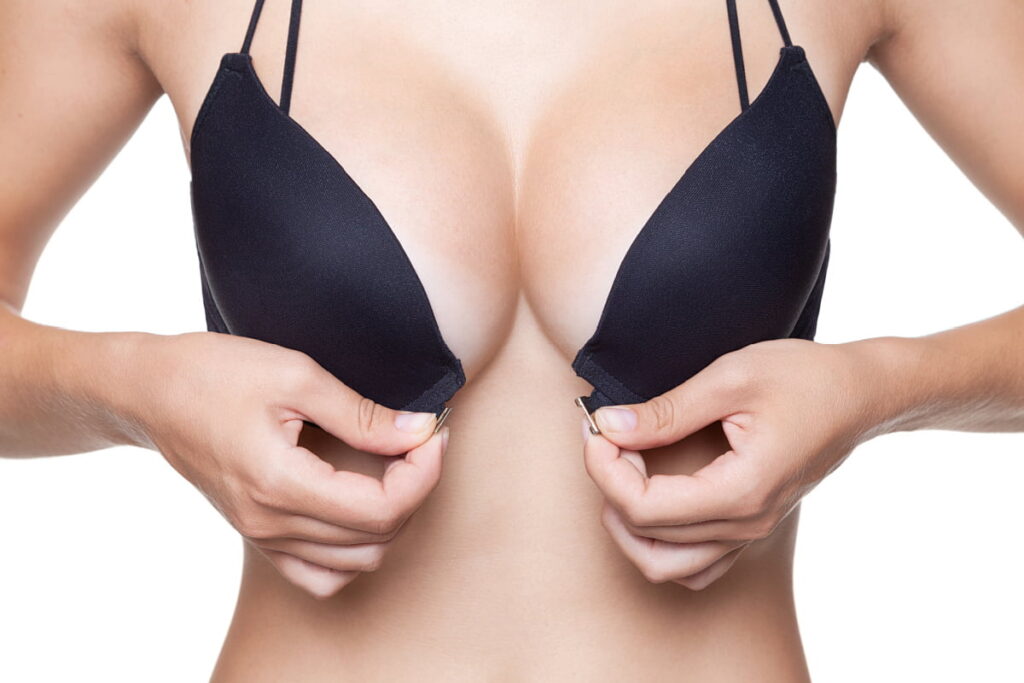
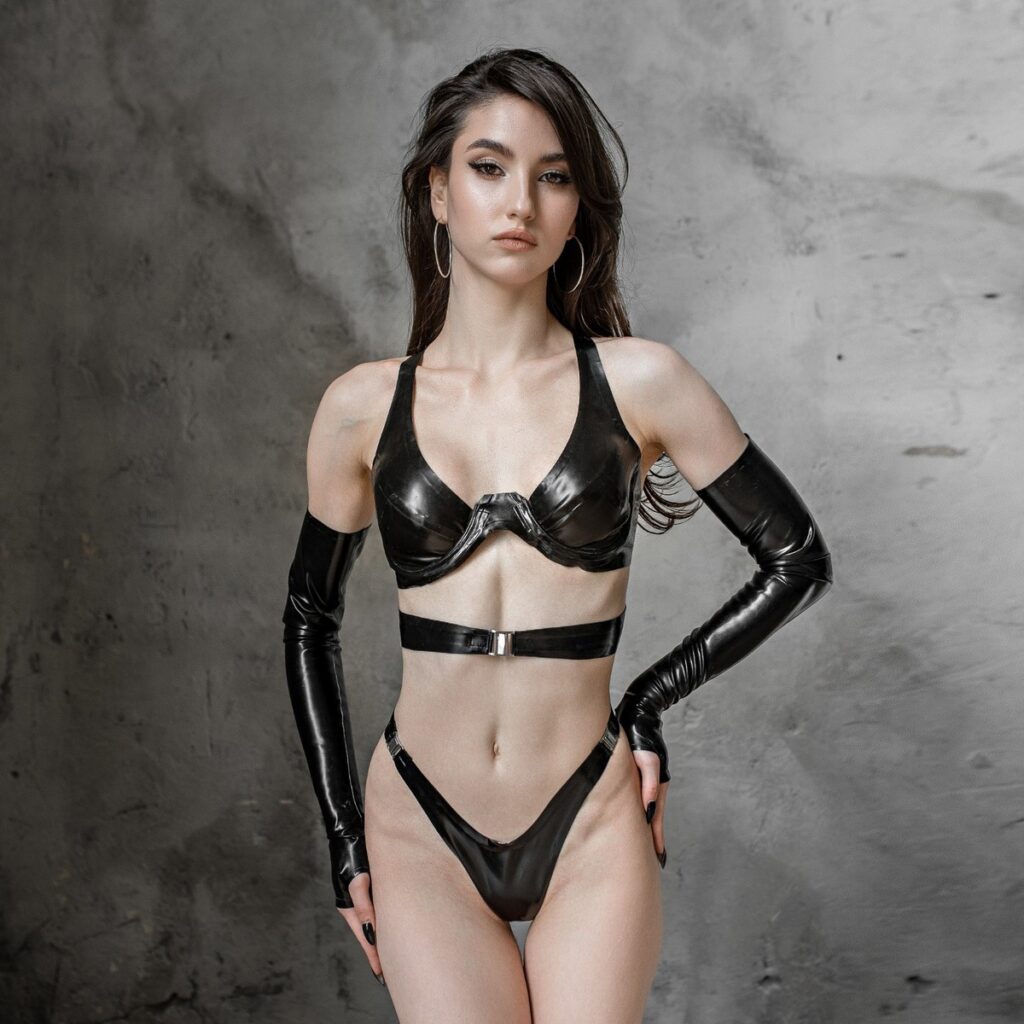
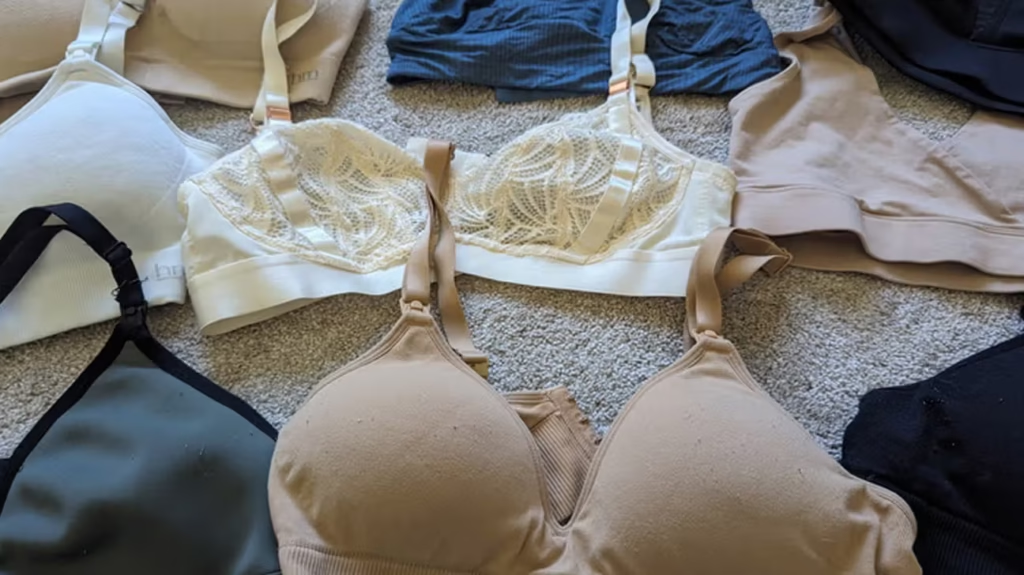
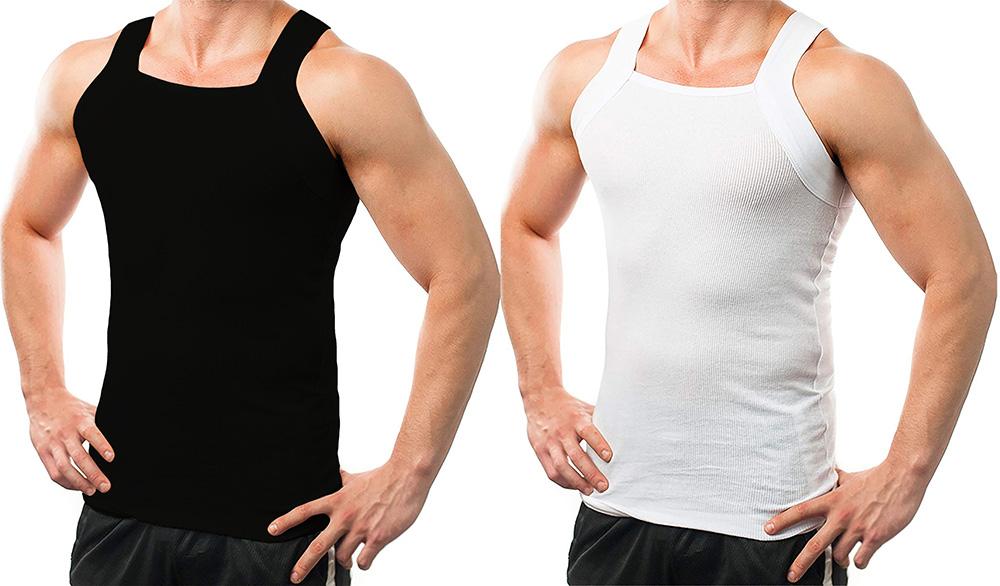
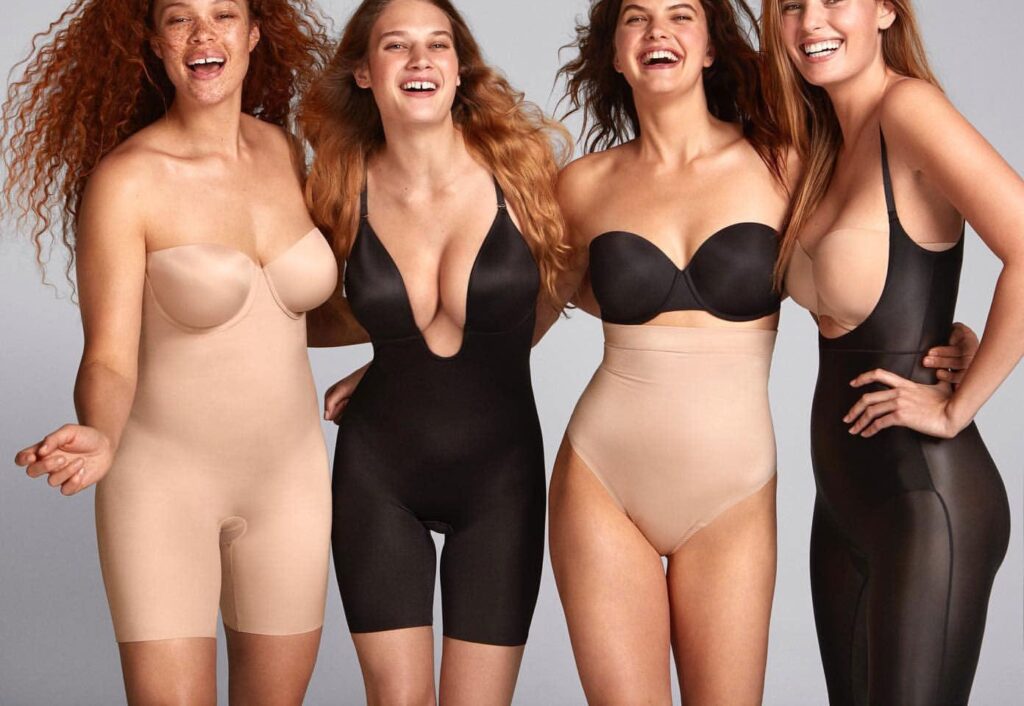
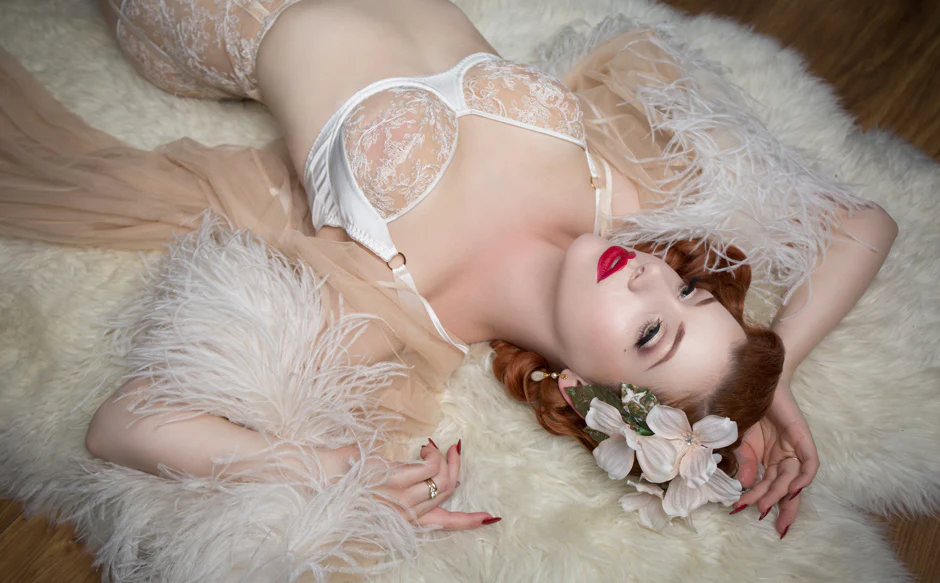
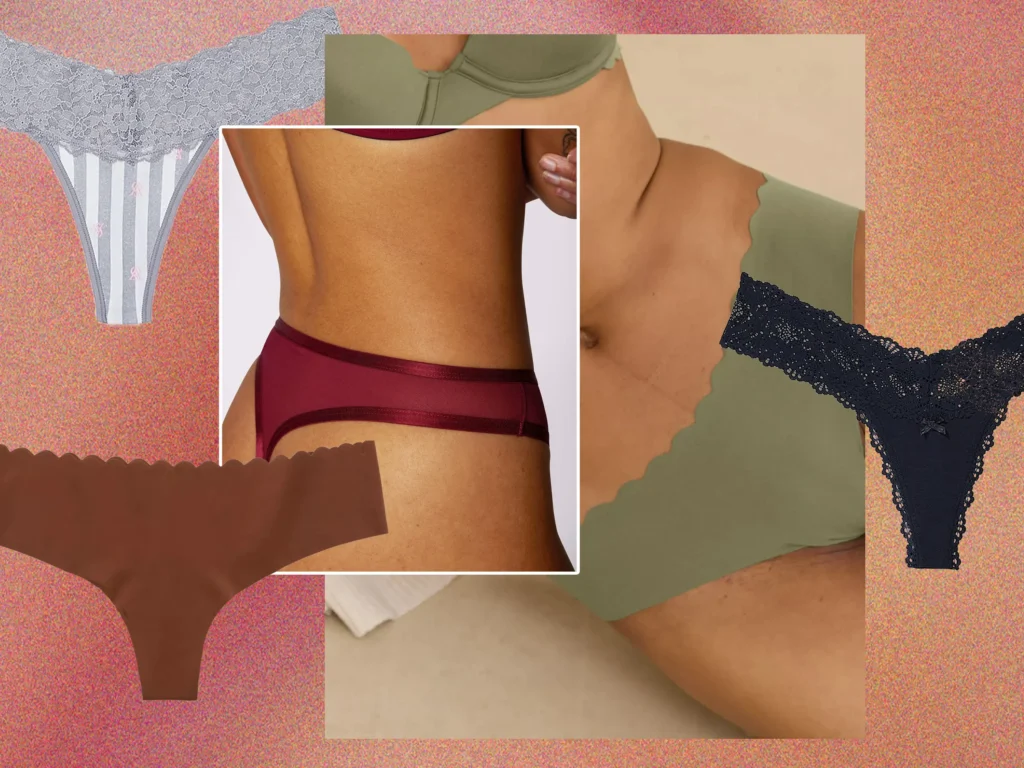
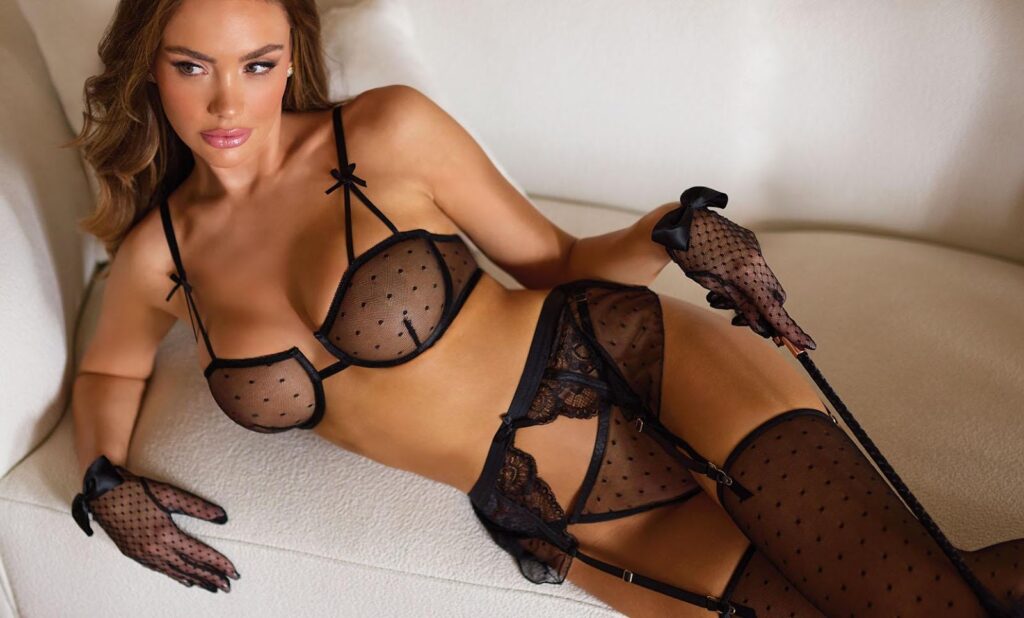
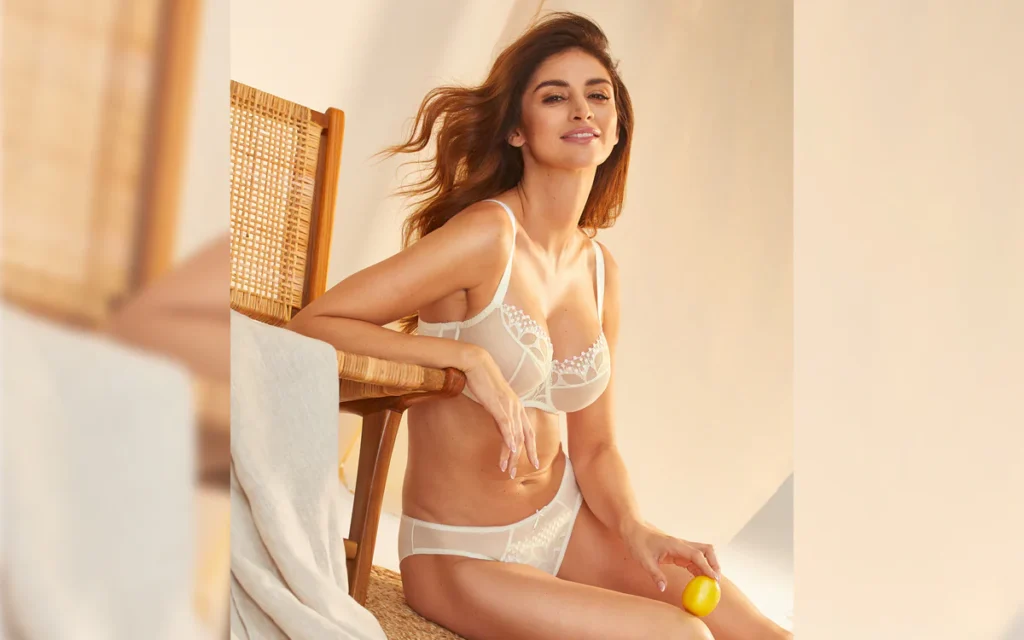
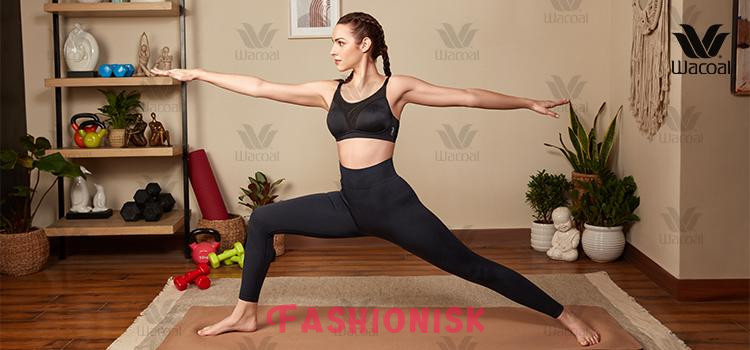
- Don’t underestimate underlayers: Supportive undergarments, smoothing layers, or seamless basics can dramatically change how outer clothing fits and feels, boosting confidence without altering your style.
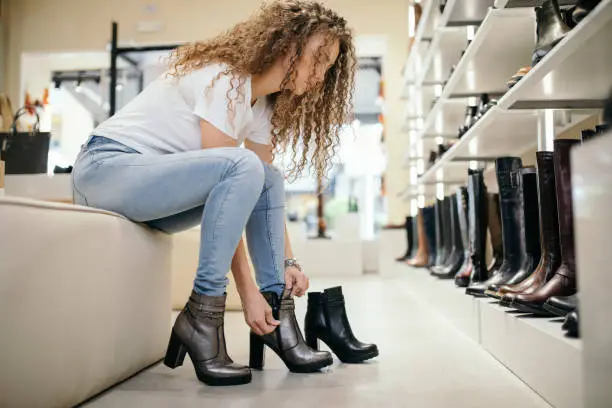
- Experiment at home first: Try new silhouettes or combinations in a low-pressure setting. Wearing an outfit around the house for an hour can quickly tell you whether it truly feels right.
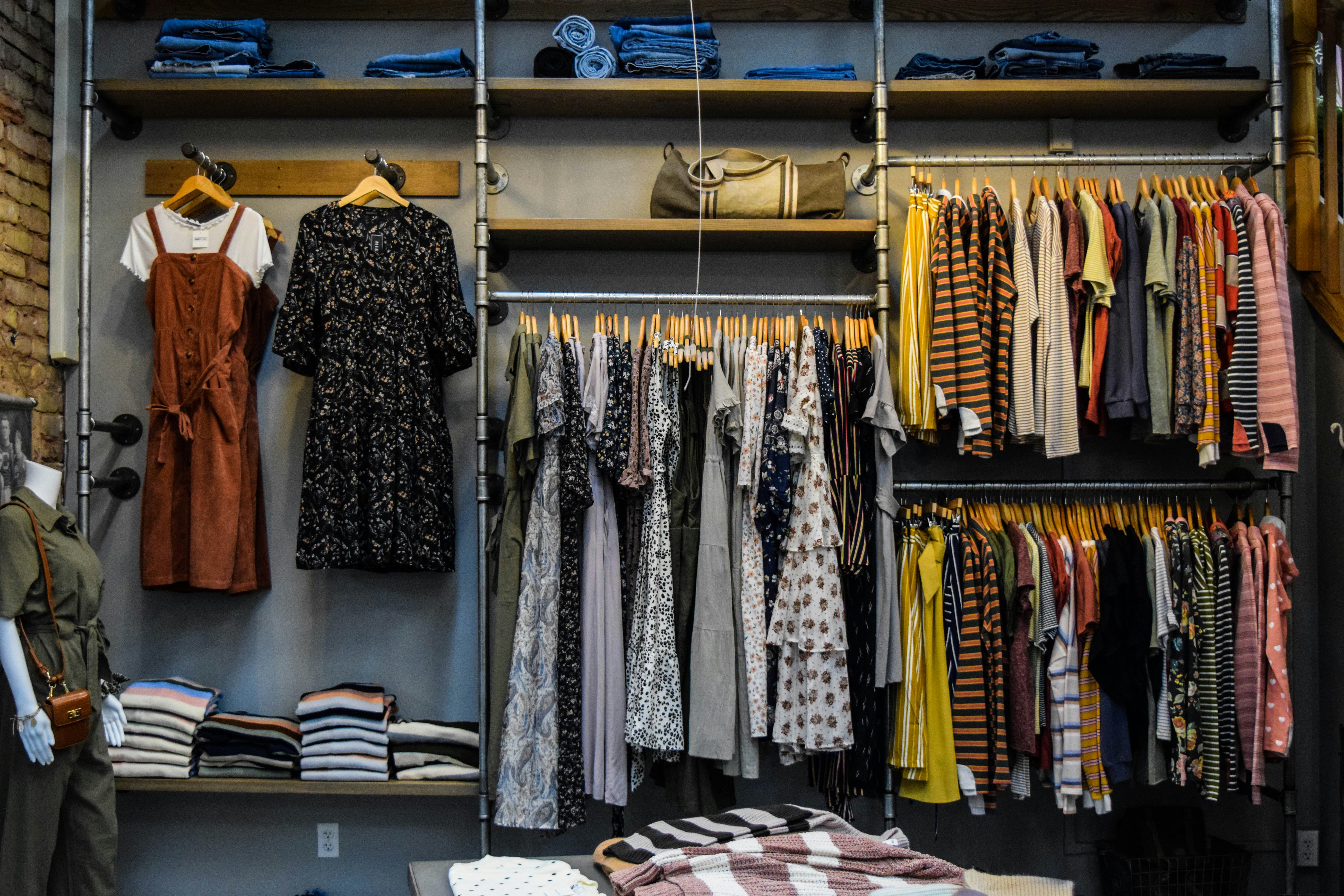
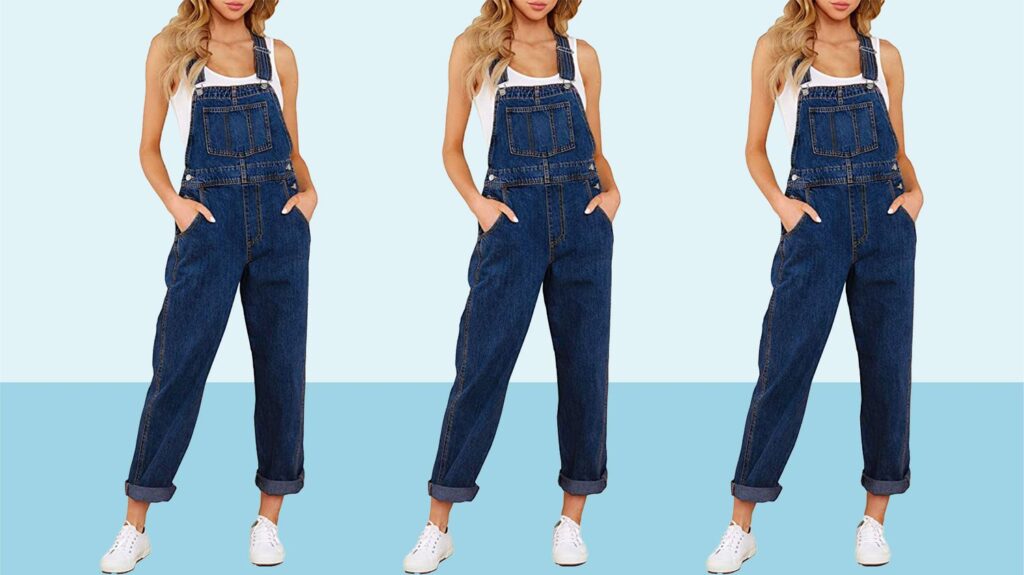
- Build outfits around how you live now: Your current lifestyle matters more than past habits. Choose clothing that suits your daily activities, climate, and comfort needs, not just how things look on a hanger.
These small, thoughtful choices help turn fashion into a supportive tool rather than a source of stress. Over time, they create a wardrobe that feels flexible, functional, and genuinely reflective of who you are now.
Stepping Forward With Ease
Ultimately, post-transformation style is about alignment—between body, mind, and expression. It’s about choosing clothes that support your life as it is now, not as it once was or as someone else thinks it should be. When fashion feels supportive rather than demanding, confidence follows naturally. And in that space, getting dressed becomes less about getting it “right” and more about feeling at home in your own skin.