





































































































































































































































































































































































































































































































































































































































































































































































































































































































































































































































































































































































Wellness Beyond Aesthetics: Rethinking Health in a Style-Driven Culture


Health and lifestyle conversations have shifted significantly over the past decade. Wellness is no longer framed solely around appearance or trends but around sustainability, balance, and long-term quality of life. While fashion continues to influence how people express themselves, modern wellness focuses on how individuals feel, function, and sustain their energy through daily life.
This evolution has encouraged more honest conversations around health challenges that many people face quietly. Weight management, mental clarity, and physical well-being are now discussed with greater nuance. Instead of one-size-fits-all solutions, individuals are exploring personalized approaches that align with their bodies, lifestyles, and goals.
The Intersection of Lifestyle, Identity, and Health
Lifestyle choices often reflect personal identity. What people eat, how they move, and how they care for themselves shape daily routines and long-term outcomes. In wellness spaces influenced by fashion and culture, the emphasis is shifting from quick fixes to intentional habits.
This shift recognizes that health is layered. Stress levels, sleep quality, metabolism, genetics, and emotional well-being all play roles in how the body responds to lifestyle changes. As awareness grows, people are becoming more open to understanding health as an evolving process rather than a destination.
Fashion-forward wellness culture increasingly values authenticity. Instead of promoting perfection, it encourages individuals to listen to their bodies and seek solutions that support longevity and balance. This mindset has opened doors to broader conversations about medical support, nutritional science, and responsible self-care.
Weight Management as a Health Conversation, Not a Trend
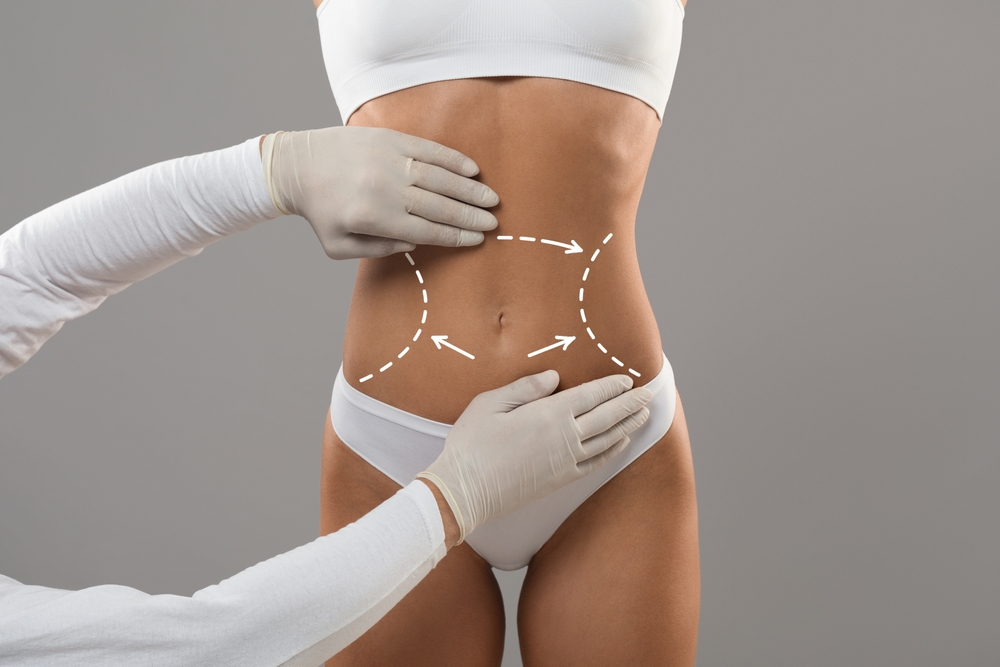
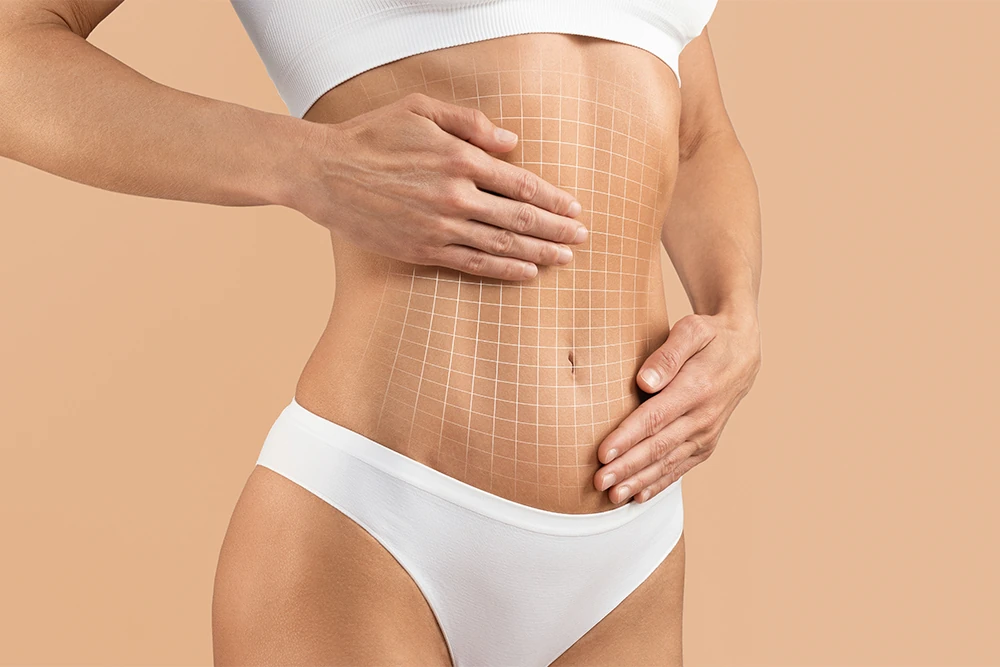
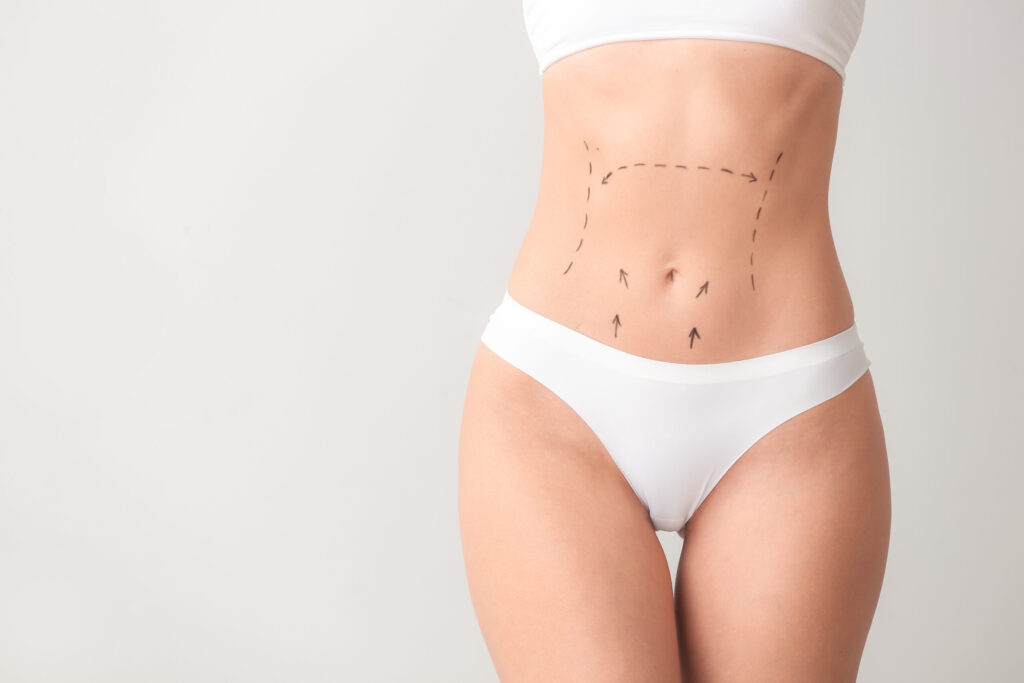
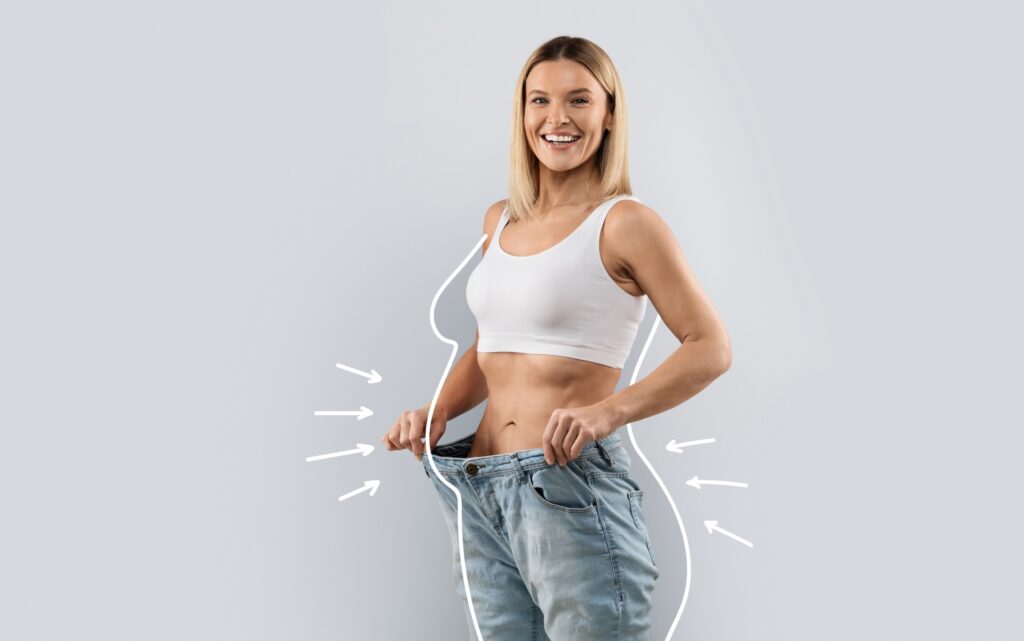
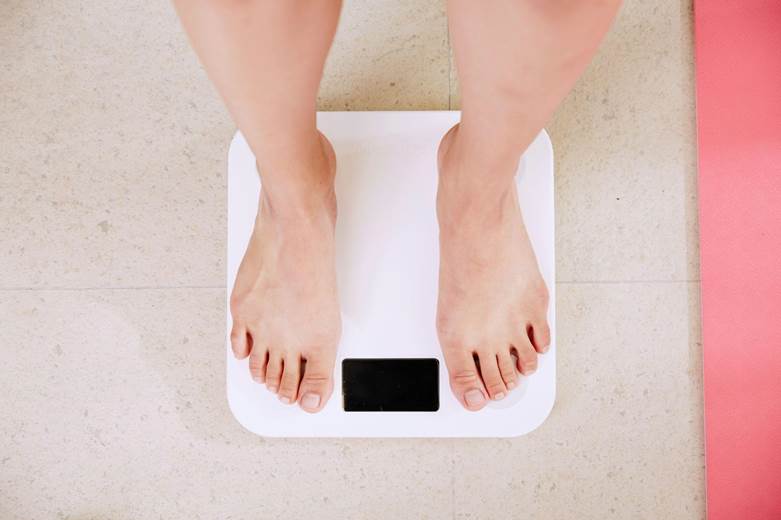
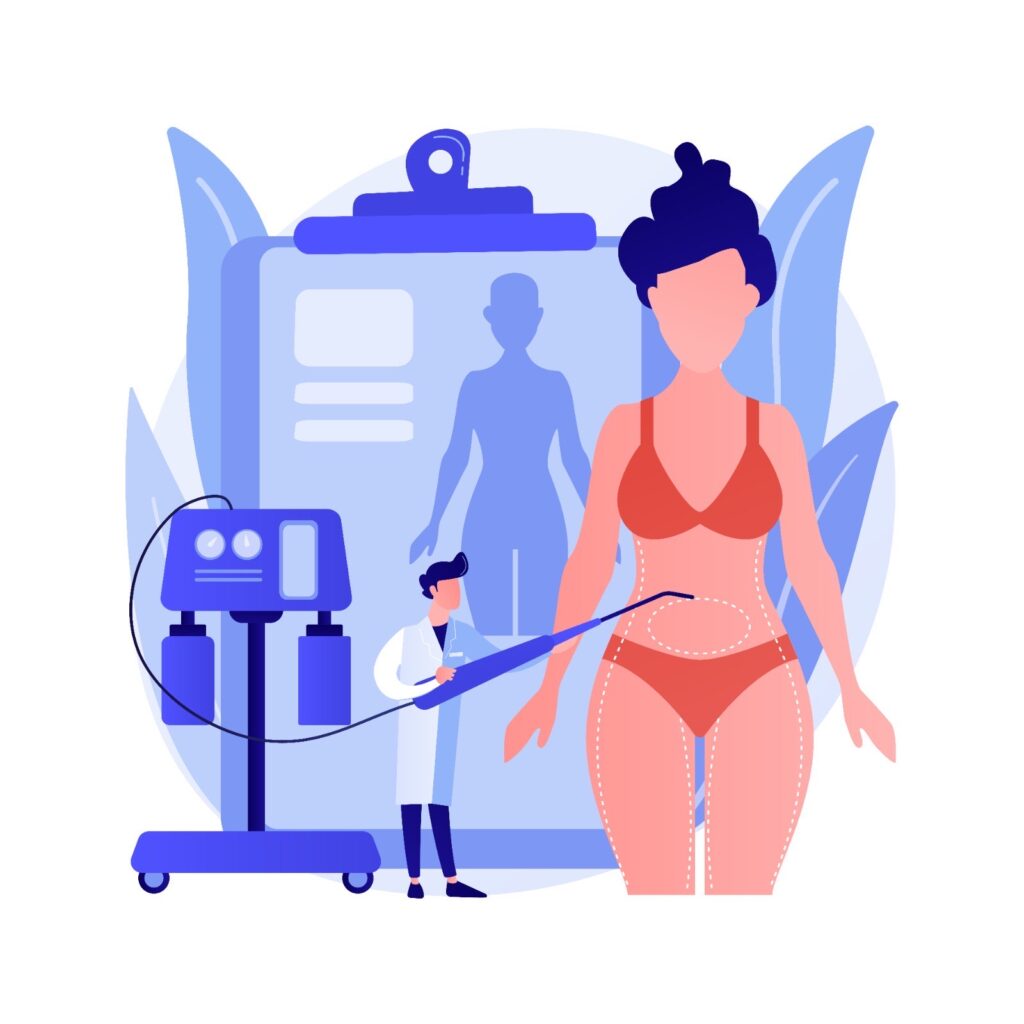
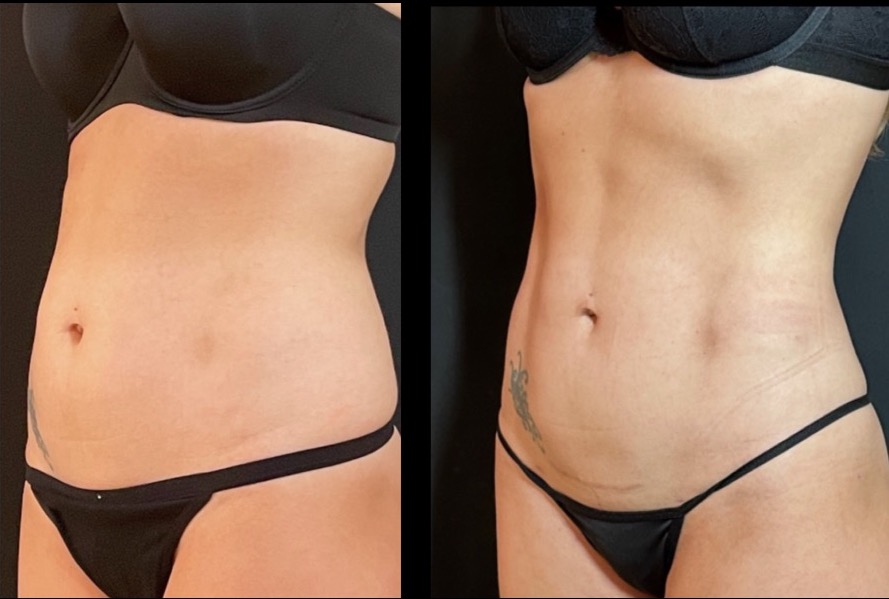
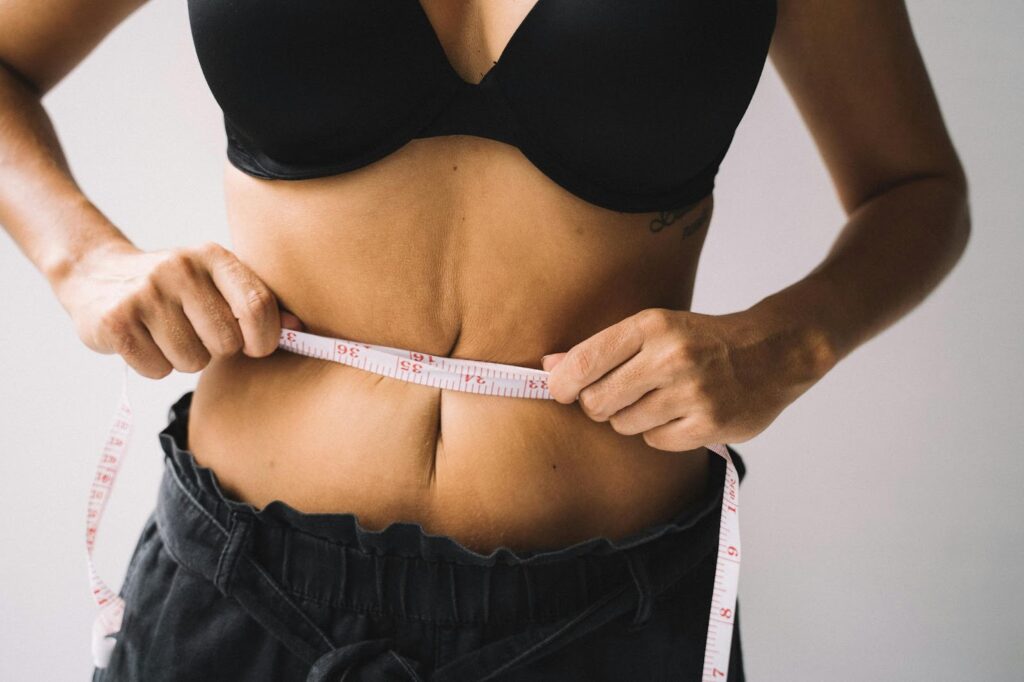
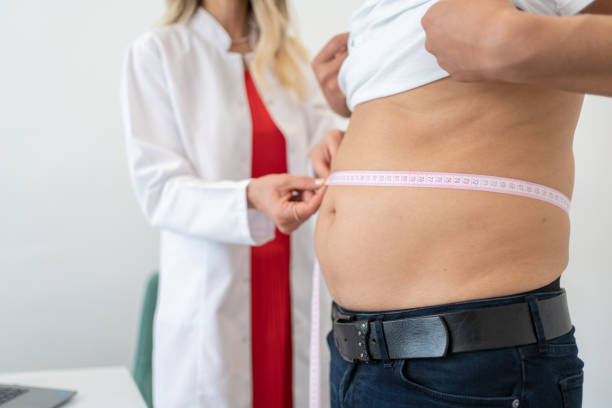
For many people, weight management is connected to overall health rather than appearance. Factors such as hormonal changes, medical conditions, and life stages influence how bodies respond to diet and exercise. Recognizing these complexities allows individuals to approach health decisions without shame or unrealistic expectations.
Healthcare professionals now frame weight management within a larger context of metabolic health, cardiovascular risk, and quality of life. This perspective moves away from outdated narratives that relied solely on willpower. Instead, it focuses on evidence-based strategies that consider both physical and emotional well-being.
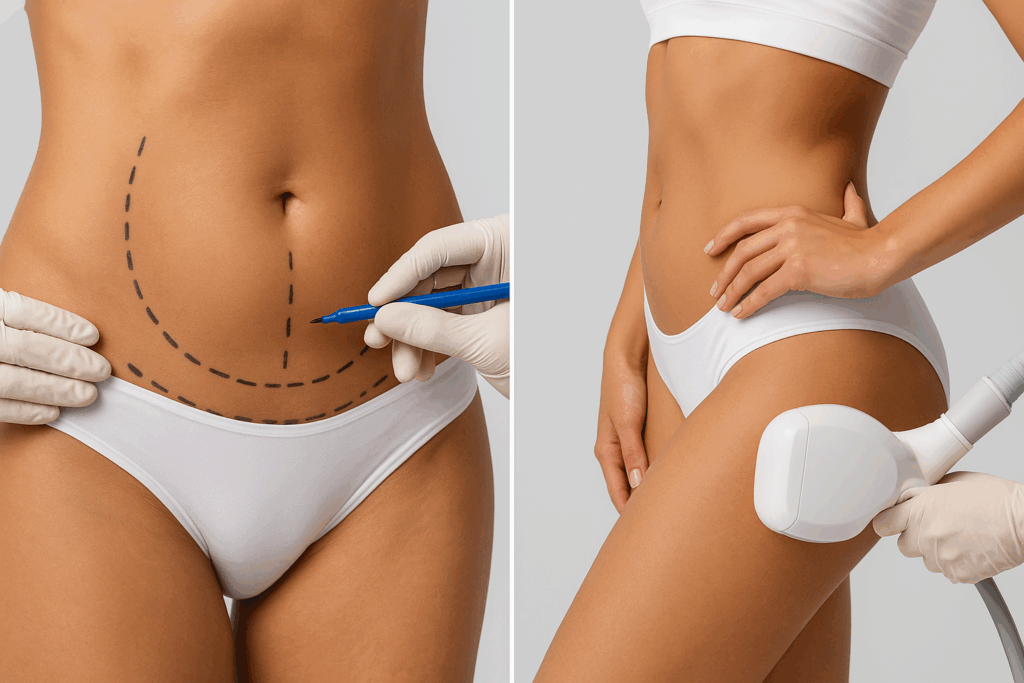
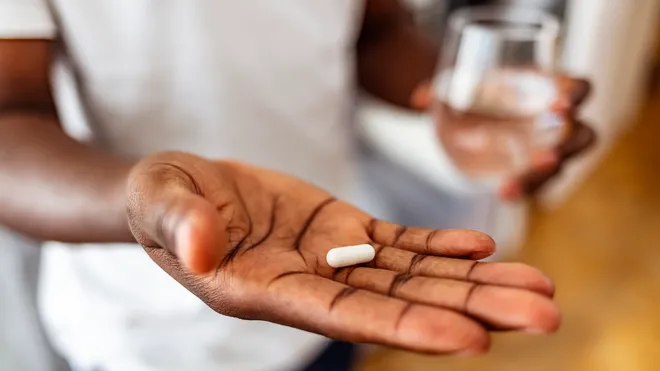
As part of this broader understanding, tools that may support health goals when guided by professional oversight and personal medical history is medication targeted for weight loss. These discussions around various weight management tools emphasize better understanding in the healthcare industry, informed decision-making, and individualized care rather than shortcuts.
How Modern Wellness Approaches Are Evolving
Wellness today is influenced by both science and culture. People want solutions that fit into real life, not rigid systems that feel unsustainable. This evolution has shaped how wellness content is shared across lifestyle platforms.
Key themes shaping modern wellness include:
- Personalization over universal rules
- Sustainability instead of extreme restriction
- Mental health as a component of physical health
This approach encourages individuals to build routines that adapt to changing needs. Whether someone is navigating career stress, parenting, aging, or health recovery, wellness strategies are becoming more flexible and inclusive.
Medical Guidance as Part of Self-Care
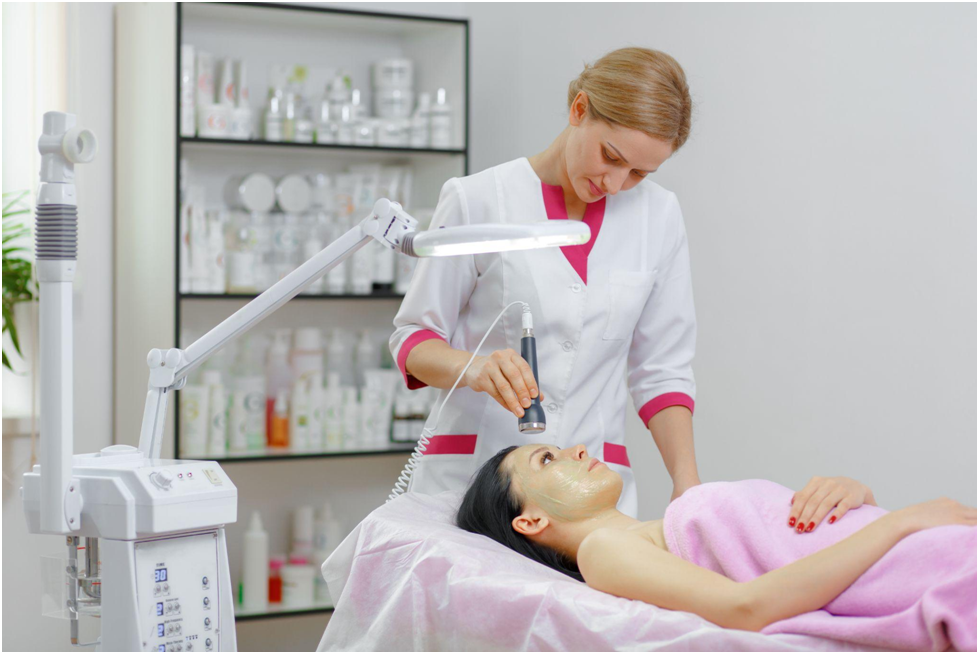
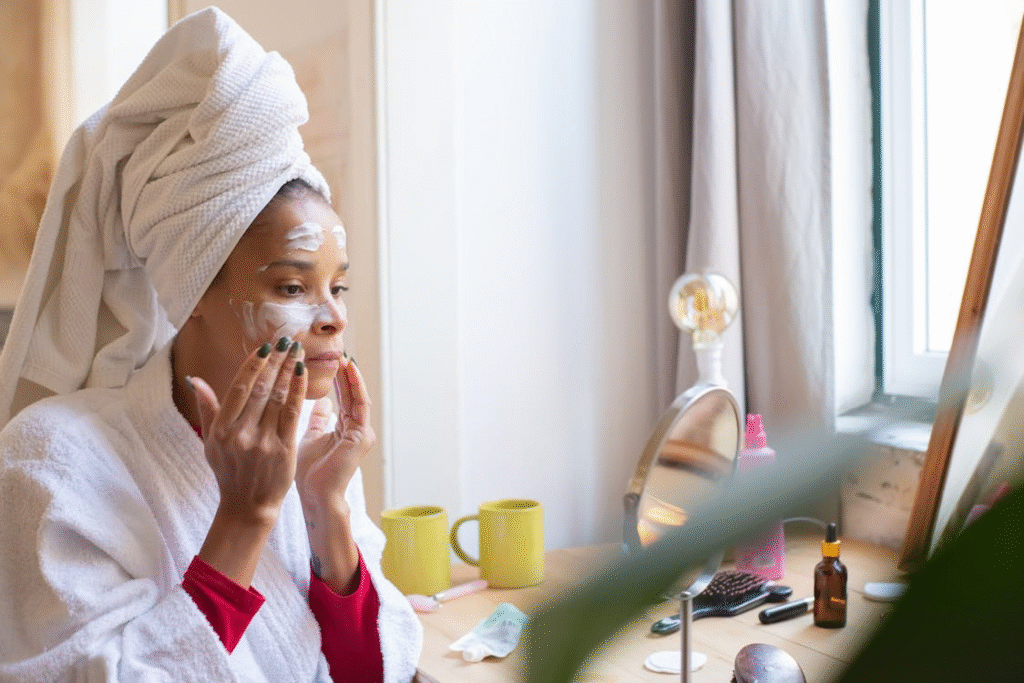
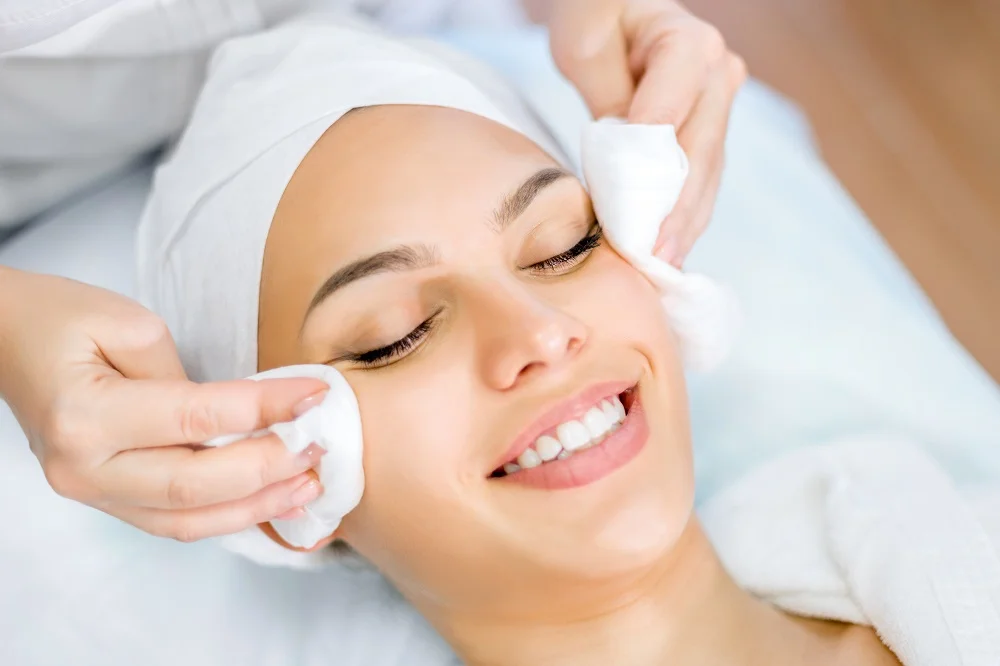
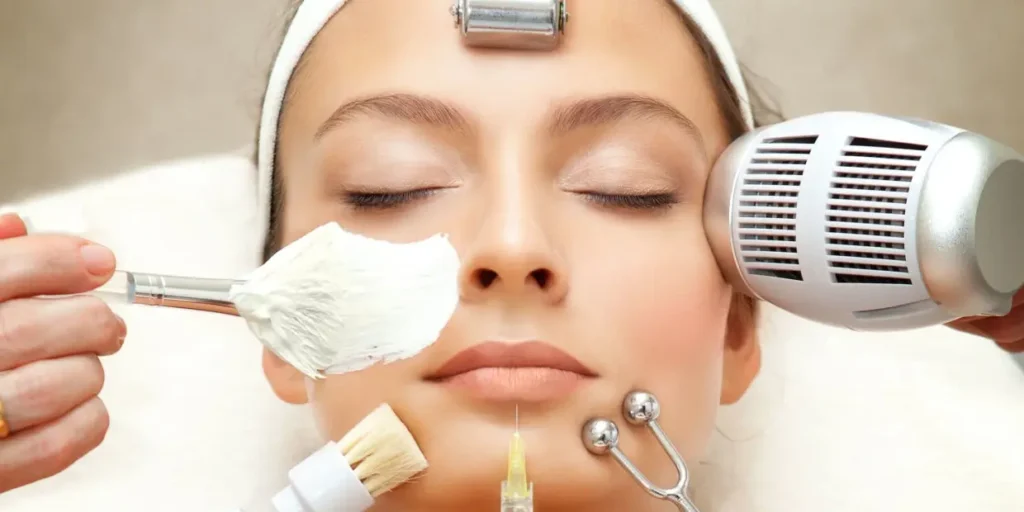
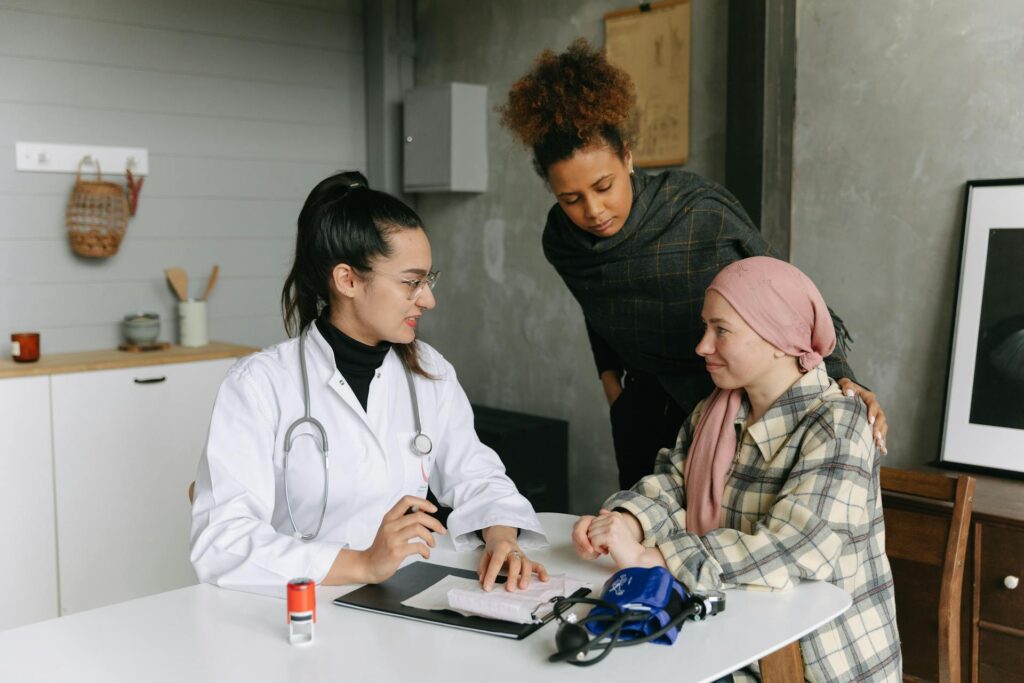
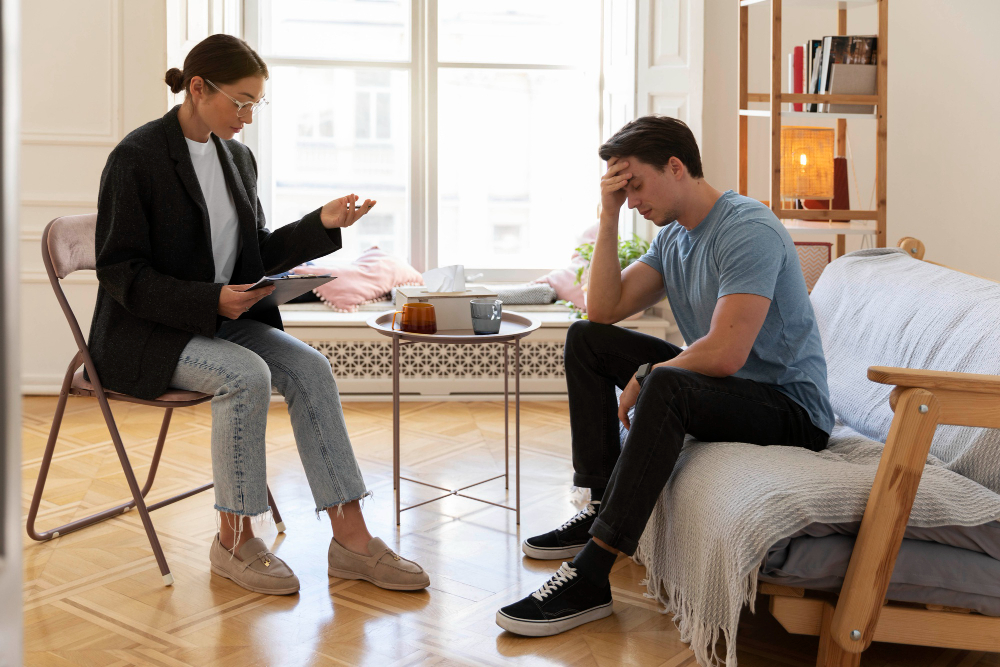
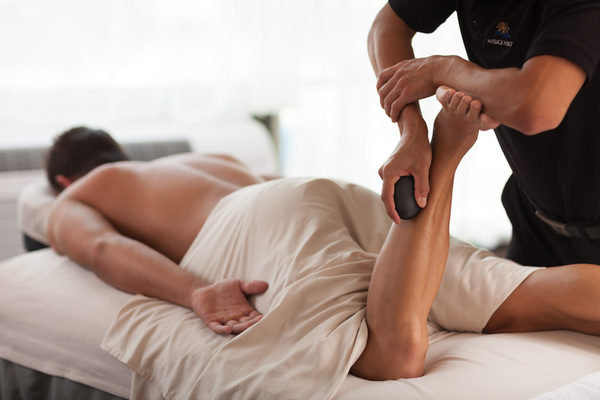
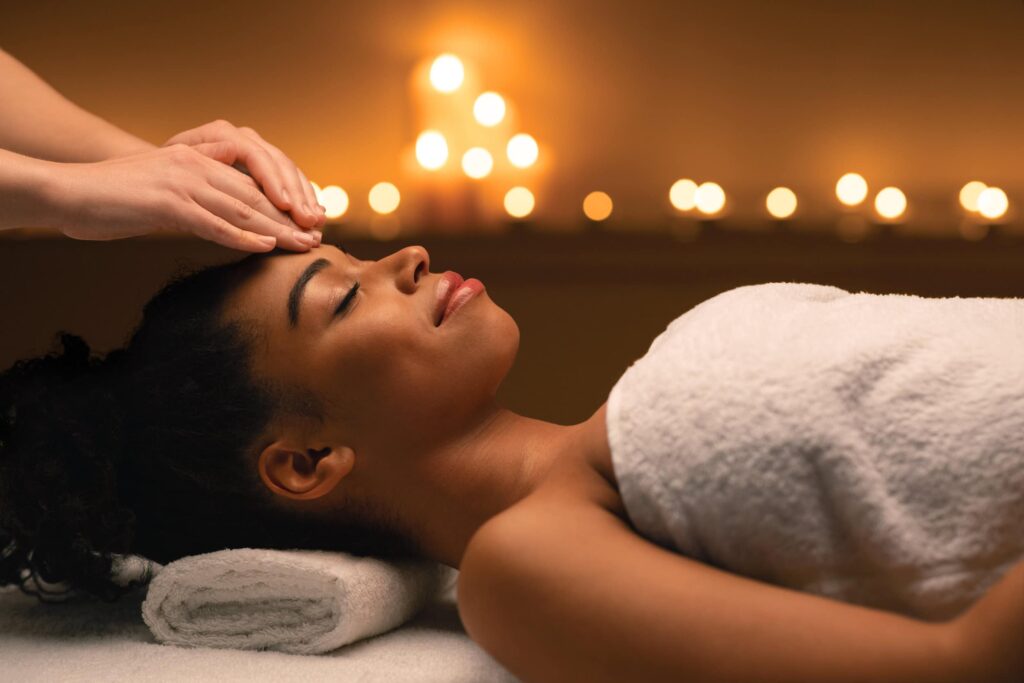
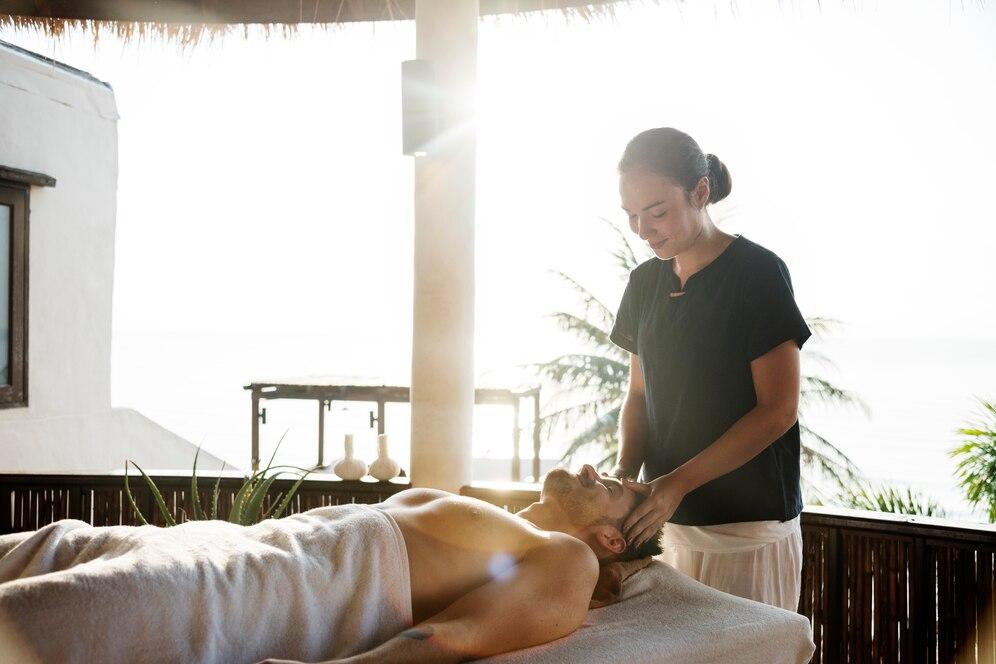
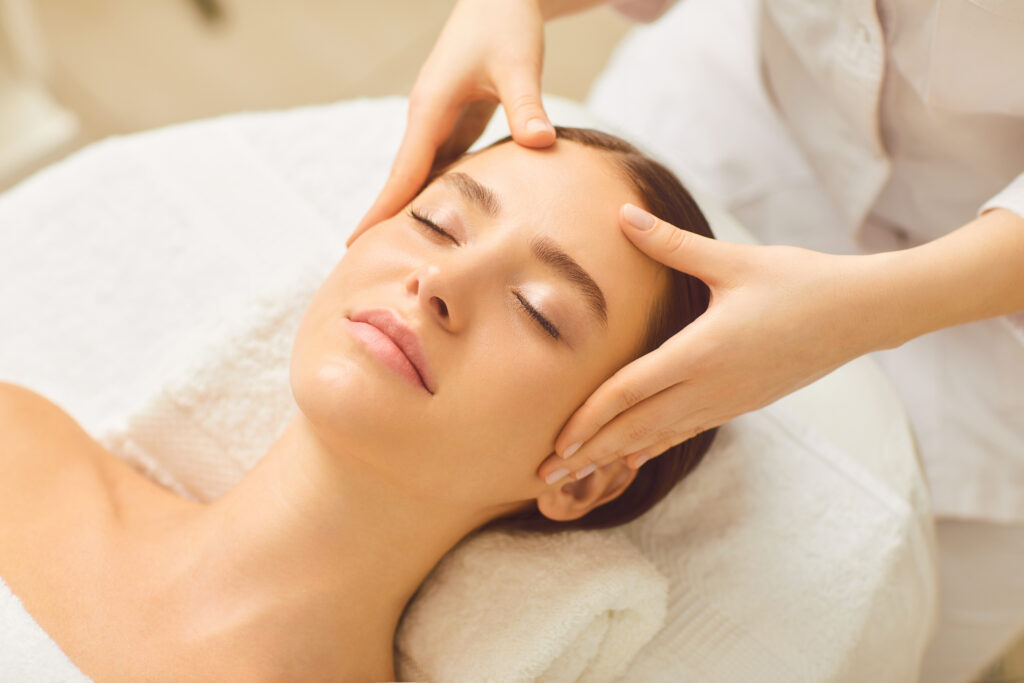
Self-care has expanded beyond spa days and skincare routines. It now includes informed healthcare choices, regular check-ins with professionals, and proactive health planning. For some individuals, this means learning about how medical interventions can complement nutrition and movement.
Understanding treatment options empowers people to ask better questions and make decisions aligned with their values. In weight management conversations, medical guidance can clarify how different approaches work, what risks exist, and who may benefit most from certain interventions. This transparency supports long-term success and reduces misinformation.
When wellness discussions include medical context, they become grounded rather than aspirational. People gain confidence knowing they are not navigating health challenges alone or relying on trends that lack evidence.
Lifestyle Balance and Long-Term Health
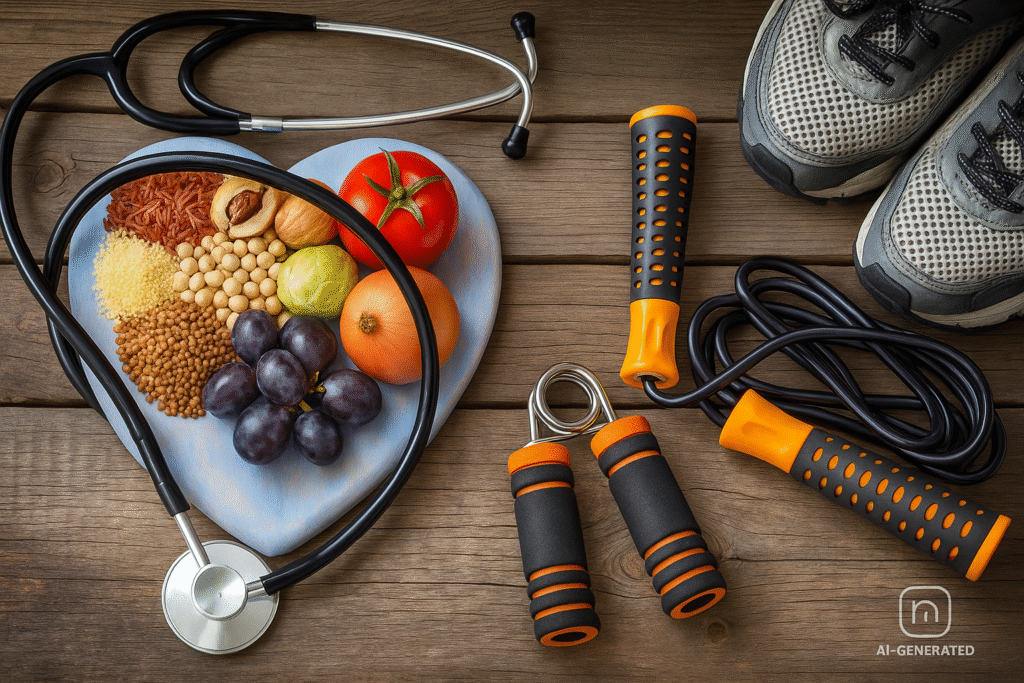
True wellness supports daily life rather than disrupting it. Balanced routines allow individuals to maintain energy, confidence, and consistency. This balance often includes:
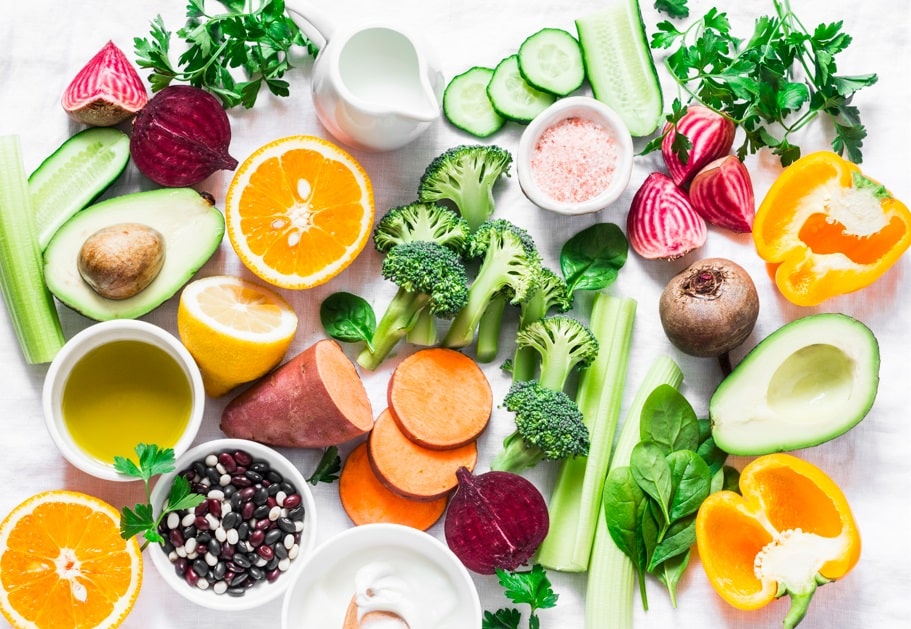
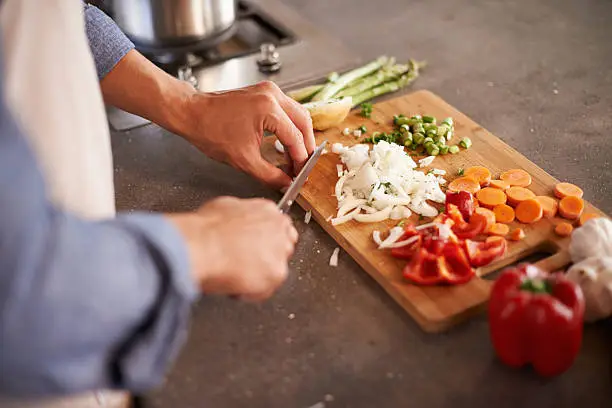
- Nourishing meals that support metabolism
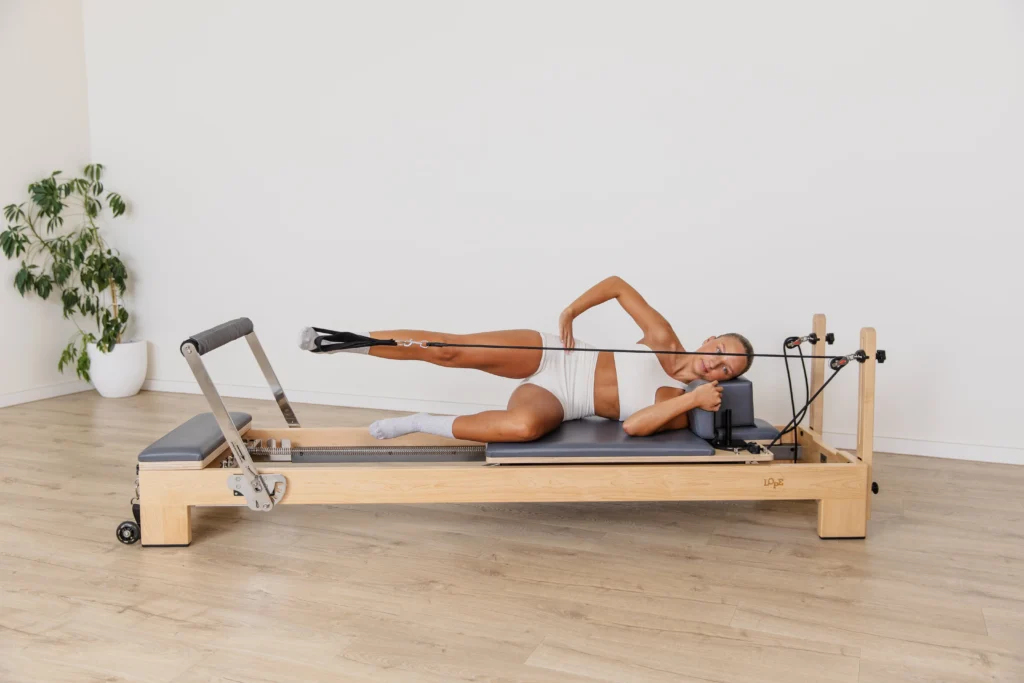
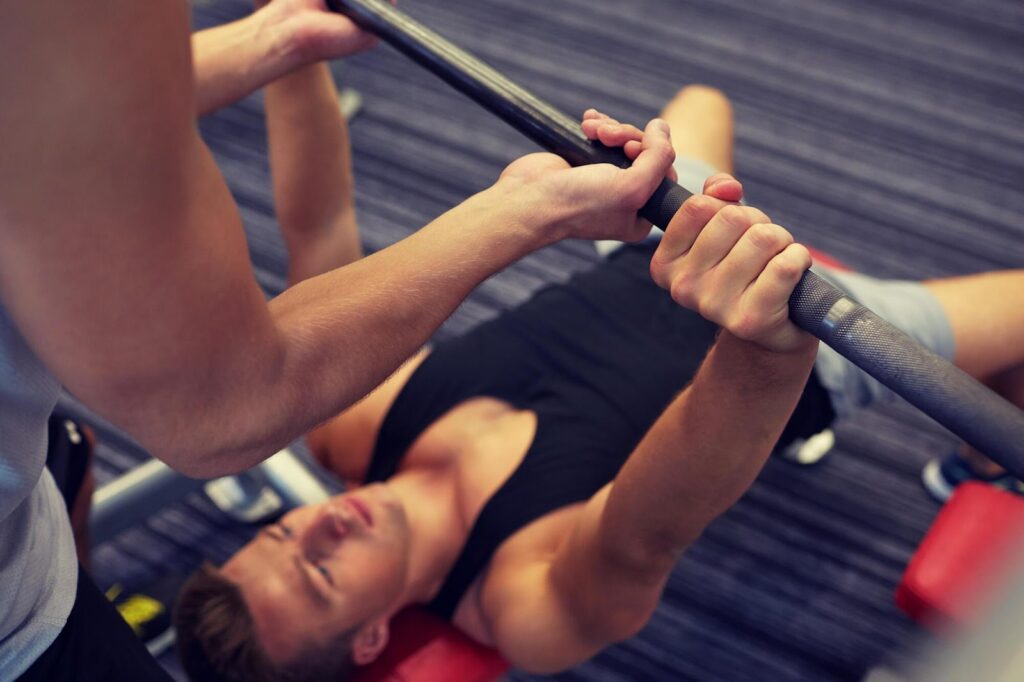
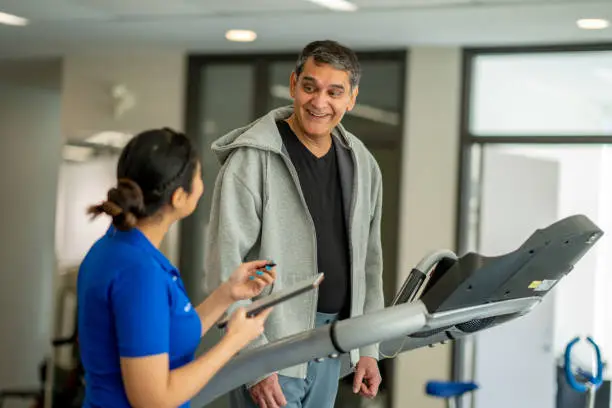
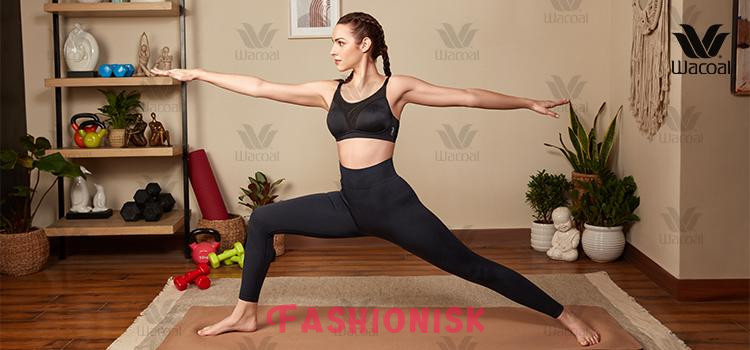
- Movement that feels sustainable and enjoyable
- Rest that restores rather than interrupts productivity
When health strategies align with lifestyle demands, adherence becomes easier. People are more likely to sustain habits that respect their schedules, preferences, and physical limitations.
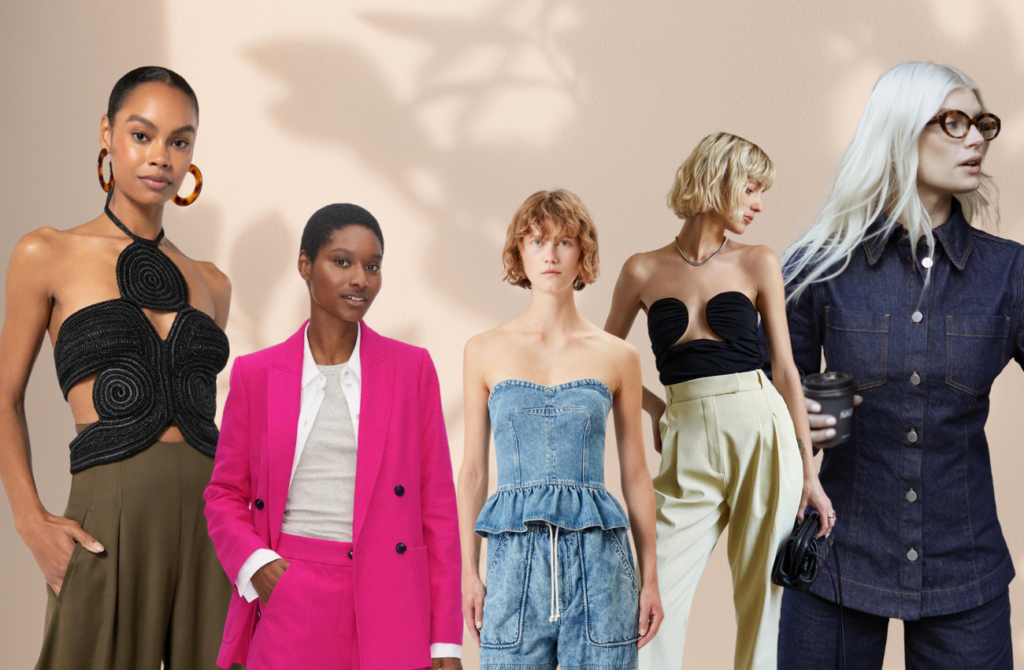
This philosophy resonates strongly within lifestyle and fashion-oriented wellness spaces. Health is no longer portrayed as rigid discipline but as an evolving relationship with the body.
Breaking the Stigma Around Medical Support
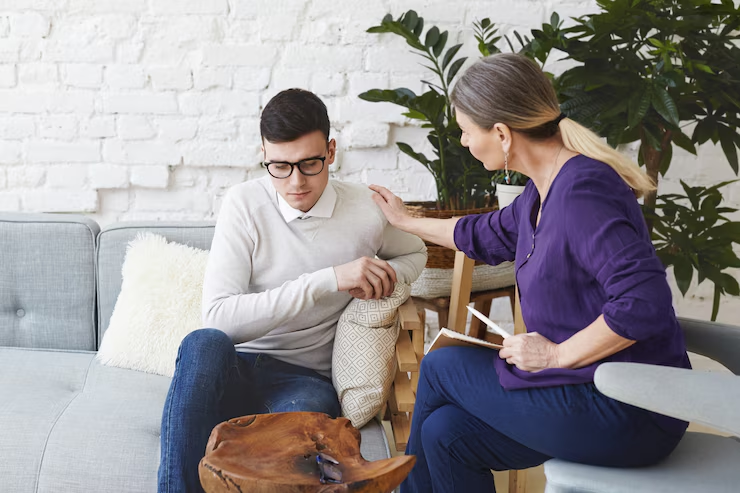
One of the most significant shifts in wellness culture is the reduction of stigma around seeking medical support. Conversations around weight, mental health, and chronic conditions are becoming more open and compassionate.
Acknowledging that medical tools exist does not diminish personal effort. Instead, it reflects a realistic understanding of how complex the human body is. For many, combining lifestyle changes with clinical guidance leads to better outcomes and improved confidence.
This openness encourages people to approach health from a place of curiosity rather than judgment. It also reinforces that wellness is personal and should adapt to individual circumstances.
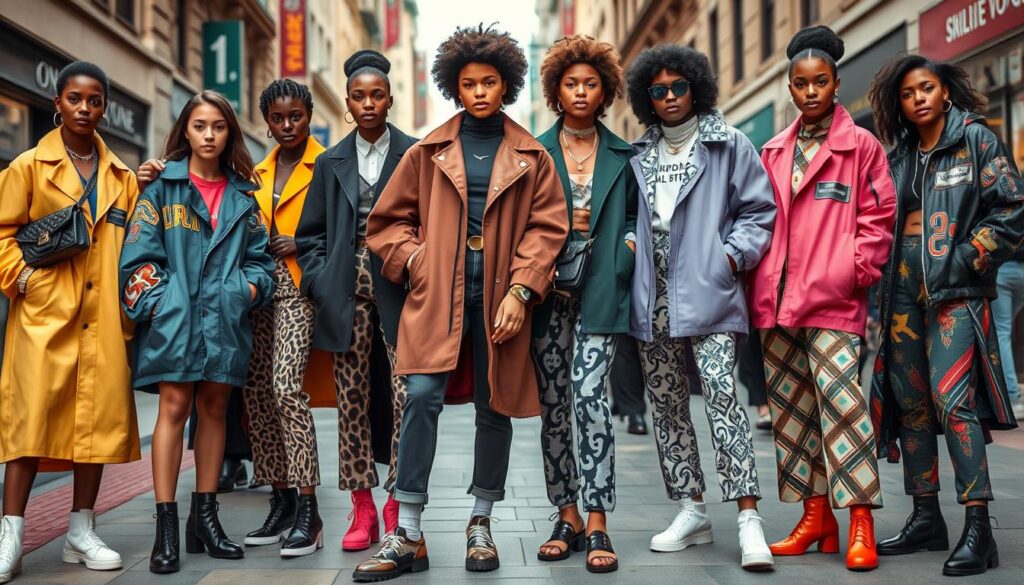
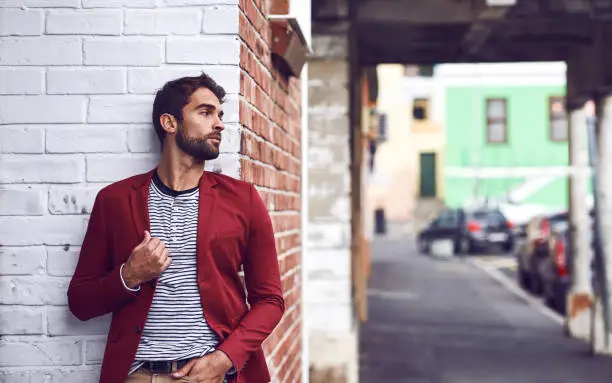
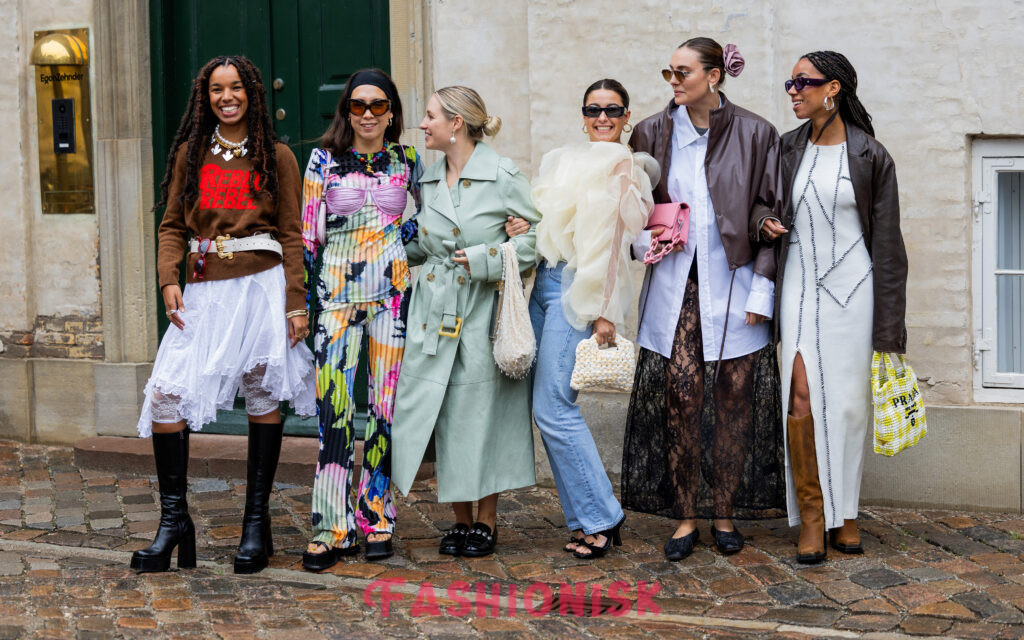
Fashion, Confidence, and Feeling Well
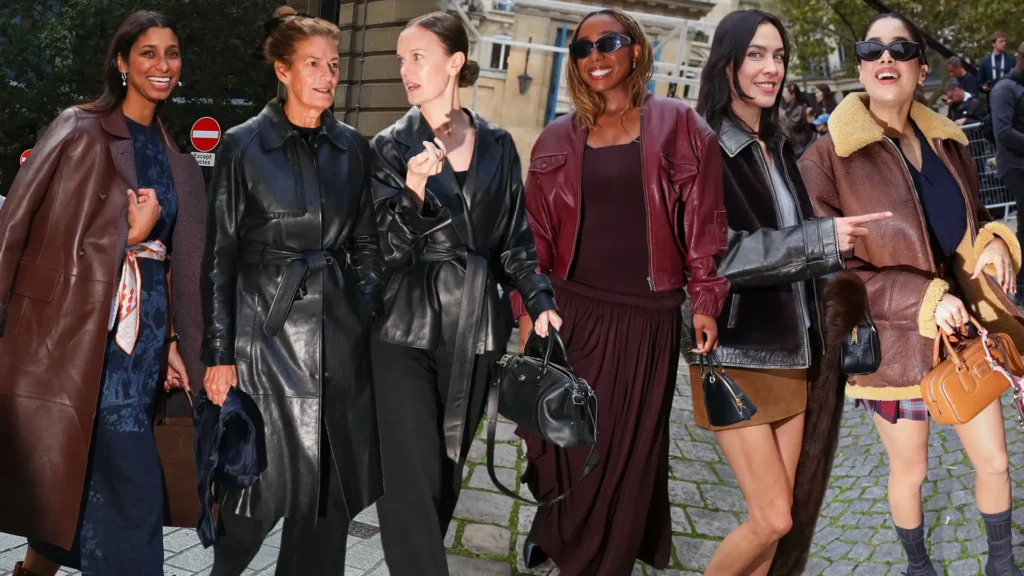
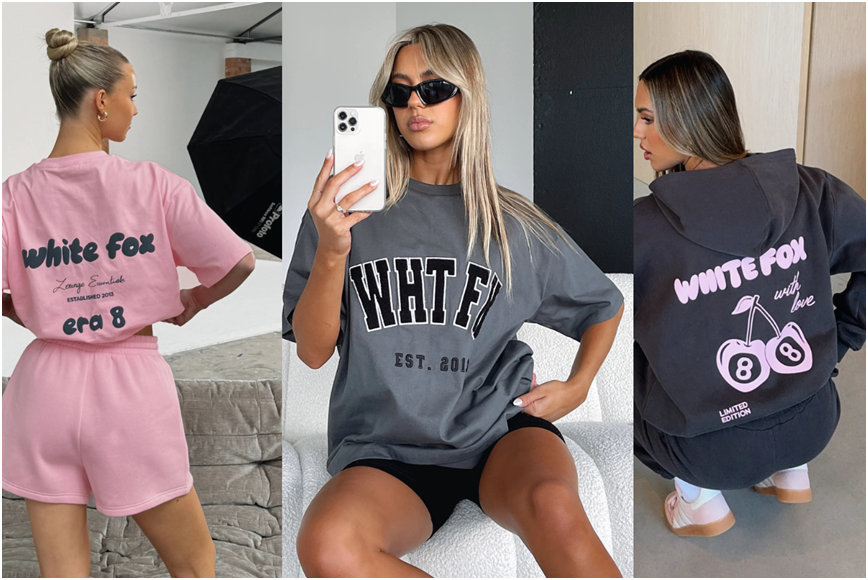
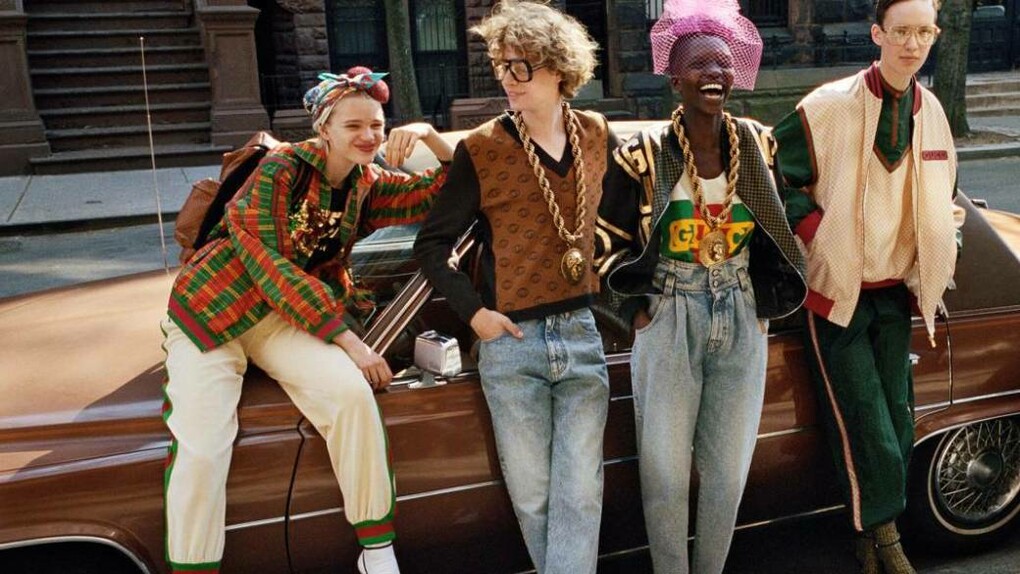
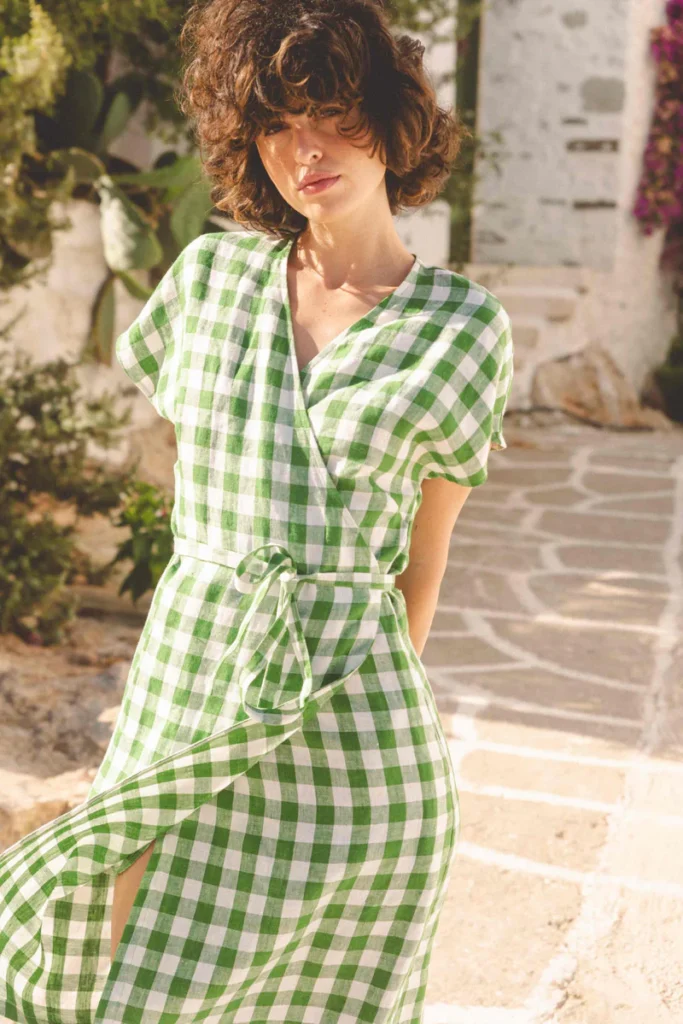
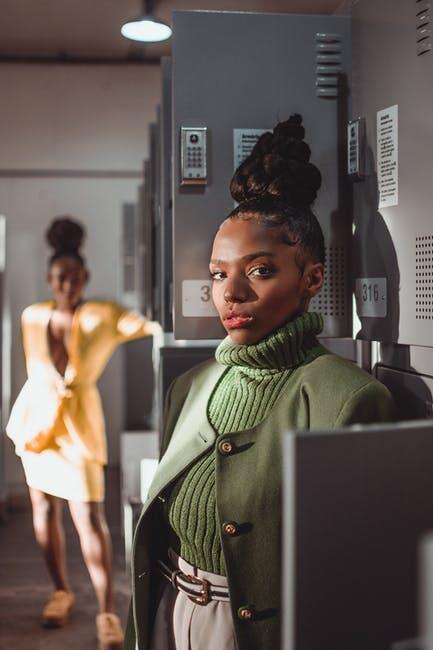
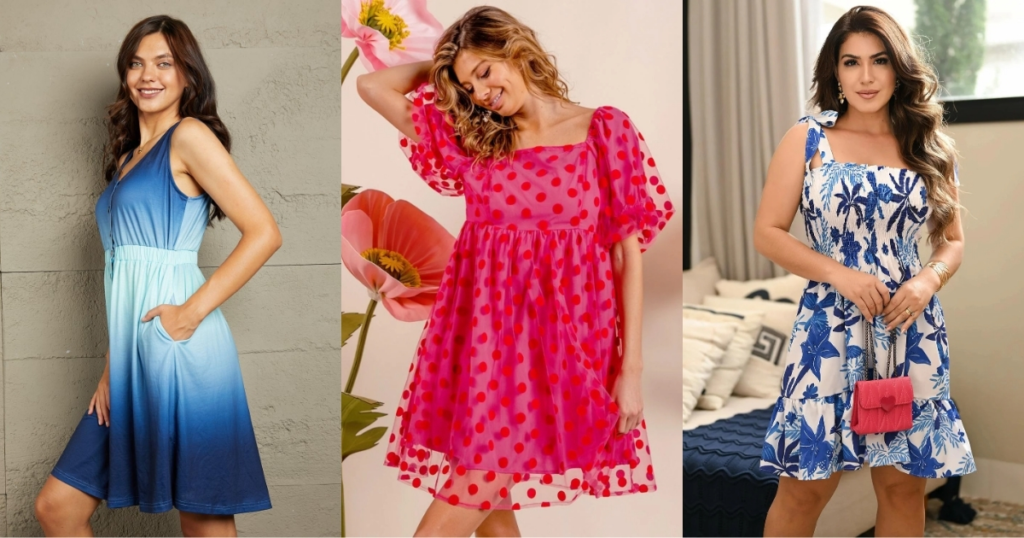
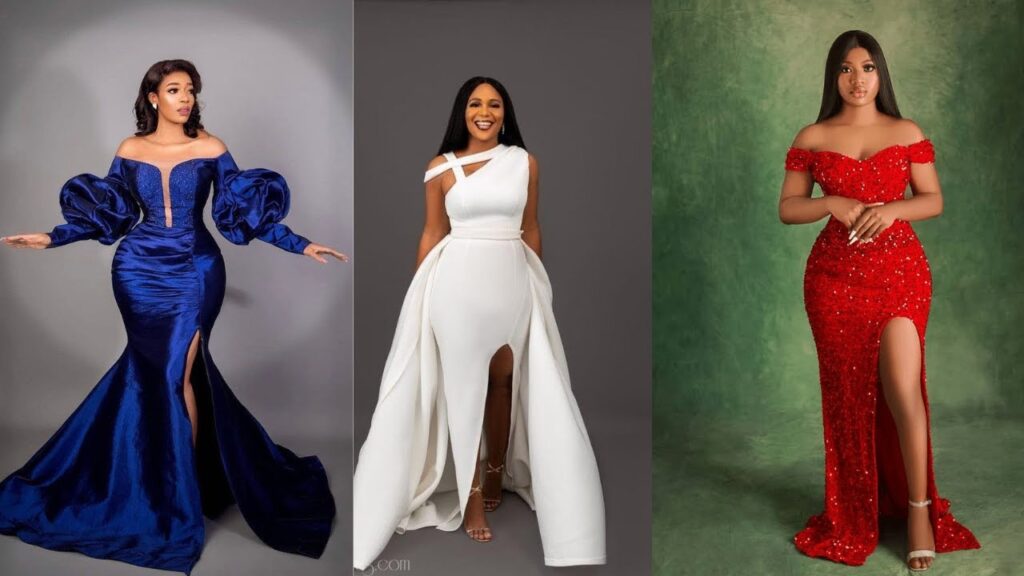
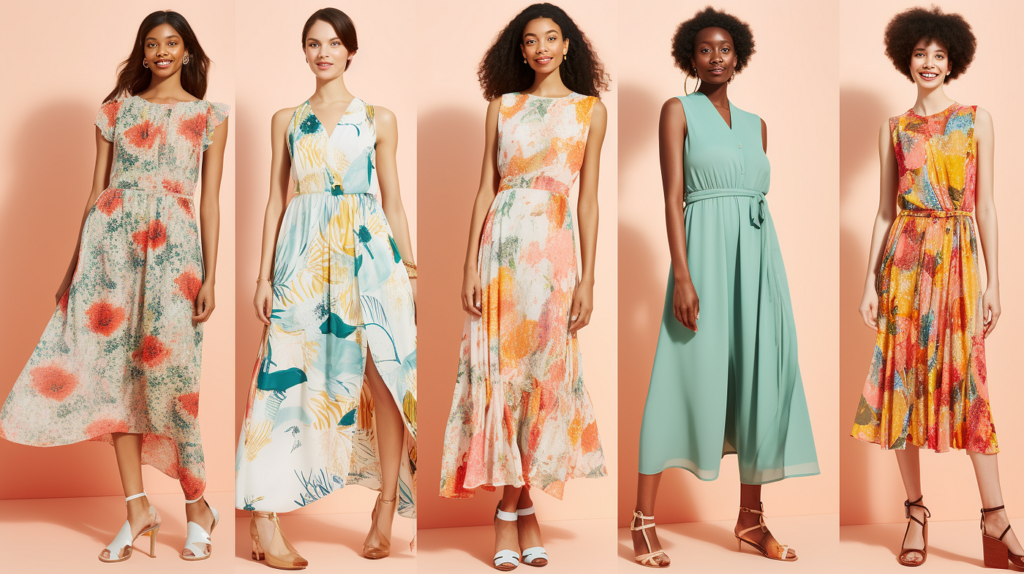
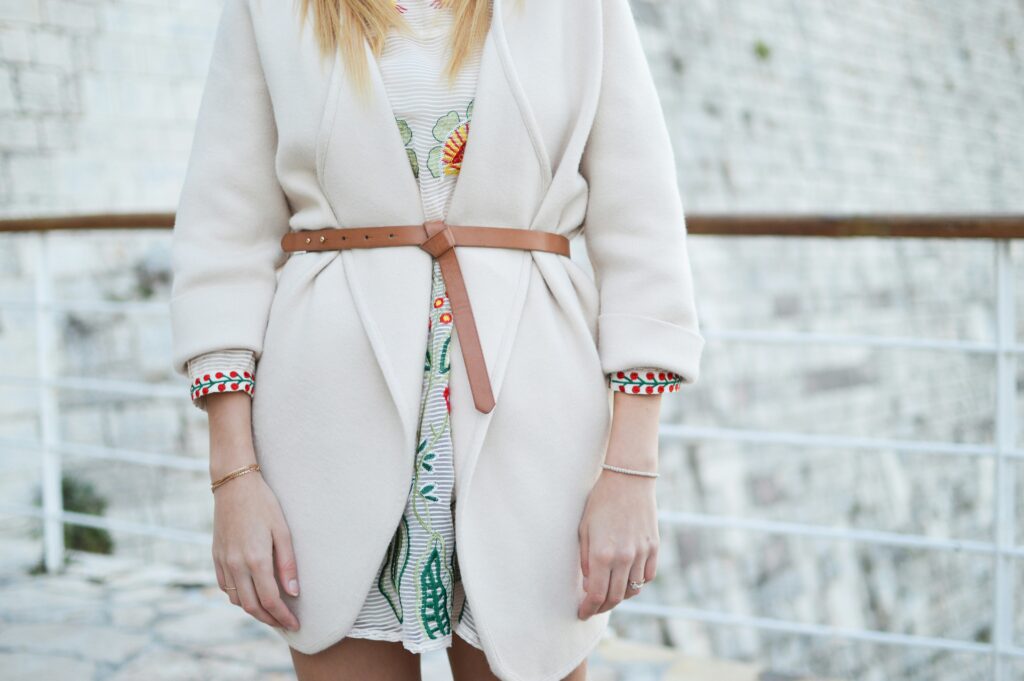
Confidence often follows well-being. When people feel supported physically and mentally, it shows in how they carry themselves and express style. Fashion becomes an extension of wellness rather than a mask for discomfort.
As wellness culture continues to mature, the connection between health and self-expression grows stronger. Feeling well allows individuals to engage more fully with their lives, relationships, and creative pursuits.
A More Informed Path Forward
Modern wellness embraces education, balance, and self-awareness. Individuals are encouraged to explore options thoughtfully, consult professionals, and prioritize health beyond surface-level goals. Whether through nutrition, movement, or medical insight, wellness now centers on sustainability and personal empowerment.
As lifestyle platforms continue to shape these conversations, the focus remains clear: health is not a trend. It is a lifelong relationship built on informed choices, adaptability, and respect for the body.