





















































































































































































































































































































































































































































































































































































































































































































































































































































































































































































































































































































































































































































































































































































































































































































































































































































































































































































































































































































































A Cleaner Jobsite Starts Here: Best Practices for Using a Construction Dumpster

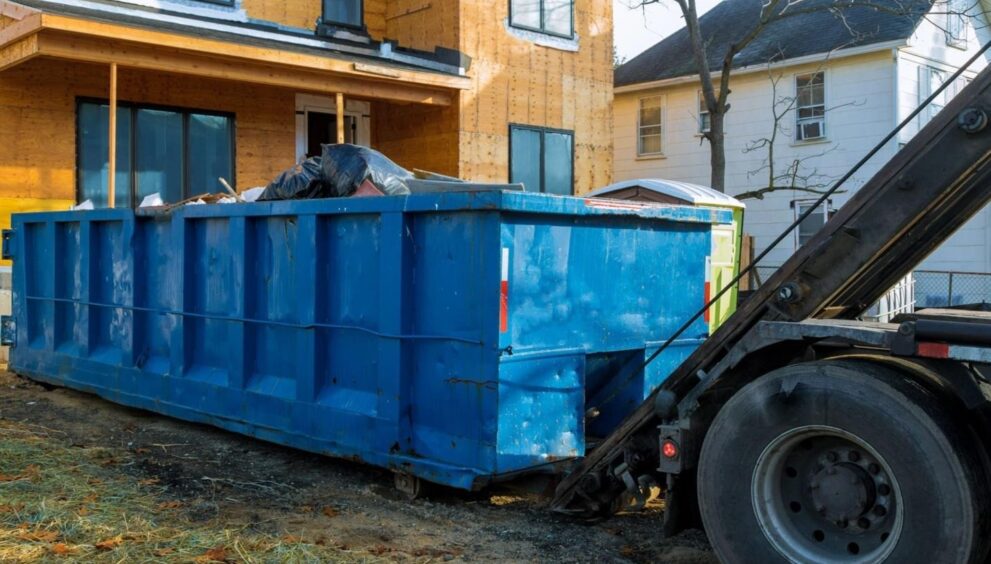
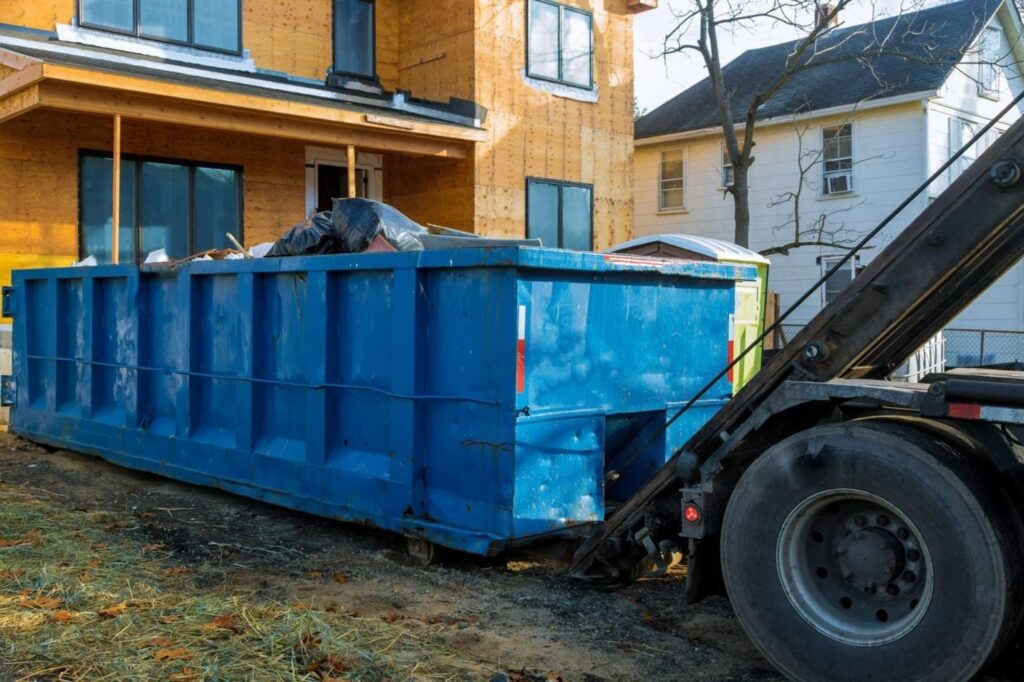
A clean jobsite is more than a matter of appearance. It affects safety, efficiency, timelines, and even how a project is perceived by clients and inspectors. Whether you are managing a residential renovation or a commercial build, waste control plays a central role in keeping work moving smoothly. One of the simplest and most effective tools for maintaining order is a well-managed Construction Dumpster paired with a reliable Dumpster rental plan.
Yet, many job sites fail to use dumpsters to their full potential. Poor placement, overloading, or inconsistent waste practices can turn a helpful solution into a daily frustration. This article outlines best practices for using a construction dumpster effectively, helping you create a safer, cleaner, and more professional work environment from start to finish.
Why Jobsite Cleanliness Matters More Than You Think
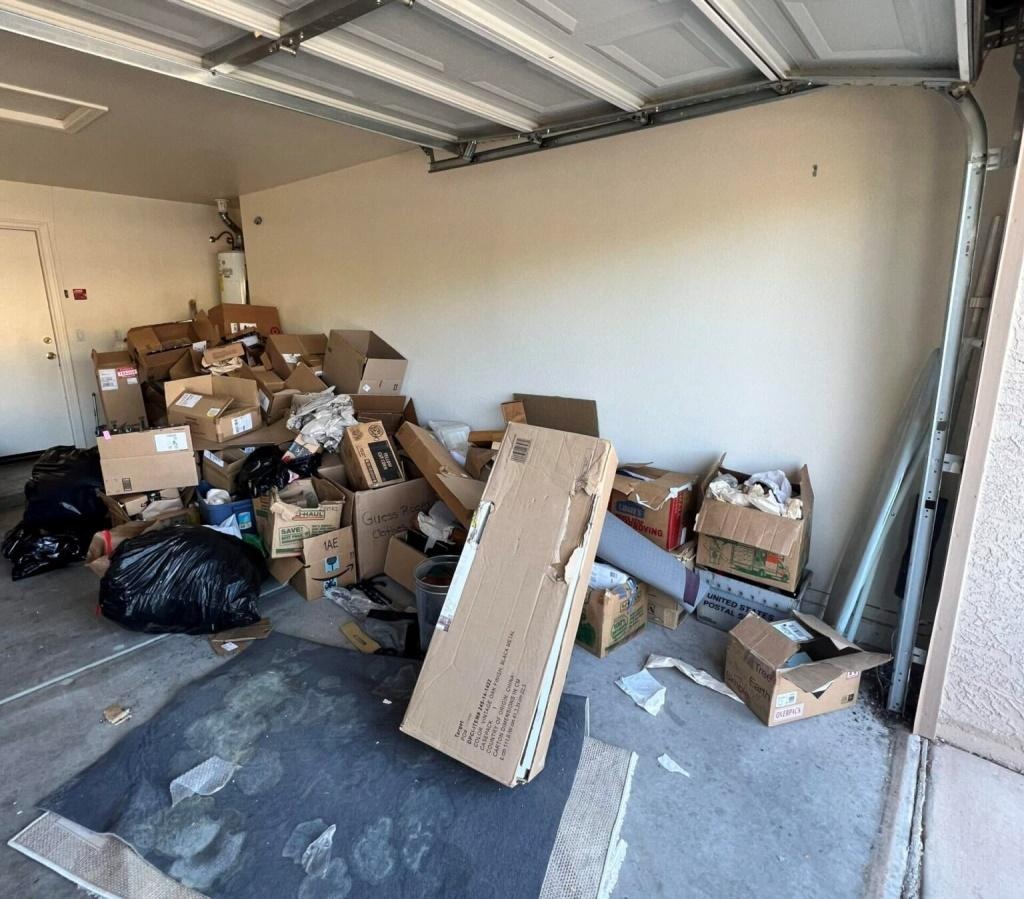
Construction sites generate debris quickly. Scrap materials, packaging, broken fixtures, and demolition waste can pile up within hours. When waste is not managed properly, it leads to:
- Increased risk of trips, slips, and injuries
- Slower movement of workers and equipment
- Lost time searching for clear work areas
- A negative impression for clients, neighbors, or inspectors
A structured Dumpster rental setup helps prevent these issues by creating a clear system for waste removal. When debris has a designated place to go, the entire jobsite becomes easier to manage.
Choosing the Right Construction Dumpster Size
One of the most common mistakes on job sites is choosing the wrong dumpster size. A dumpster that is too small fills up too quickly, while an oversized unit can take up valuable space and increase costs unnecessarily.
Best practice starts with estimating the type and volume of debris your project will generate. Demolition projects often require larger containers, while remodeling or roofing jobs may need moderate capacity. Drywall, lumber, concrete, and mixed debris all have different space and weight considerations.
A knowledgeable Dumpster rental provider can help you select a Construction Dumpster that matches your project scope, reducing the risk of overflow or mid-project delays.
Strategic Dumpster Placement Improves Efficiency
Where you place your dumpster has a direct impact on productivity. Poor placement can force workers to carry debris longer distances or block access to tools and materials.
Ideal placement should:
- Be close to the main work area
- Allow easy access for disposal throughout the day
- Avoid blocking driveways, walkways, or equipment paths
- Provide clear access for pickup and drop-off trucks
Planning placement before delivery ensures the Construction Dumpster supports workflow rather than disrupting it. This small step often saves hours over the life of a project.
Establish Clear Waste Guidelines for the Crew
Even with a dumpster on site, chaos can still happen without clear rules. Mixed waste, prohibited items, or careless dumping can cause problems quickly.
Set simple guidelines such as:
- What materials go into the Construction Dumpster
- How to break down bulky items before disposal
- Keeping debris below the fill line
- Avoiding hazardous or restricted materials
When everyone follows the same rules, the dumpster remains usable and safe throughout the project. This also helps avoid unexpected fees or delays associated with improper use.
Keep the Dumpster Area Organized
The area around the dumpster often becomes an unofficial dumping zone if left unchecked. Loose debris around the container defeats the purpose of having it in the first place.
Best practices include:
- Assigning responsibility for keeping the area clear
- Performing quick daily checks around the dumpster
- Encouraging workers to load debris directly into the container
A tidy dumpster area reinforces jobsite discipline and contributes to a more professional environment.
Avoid Overloading and Improper Disposal
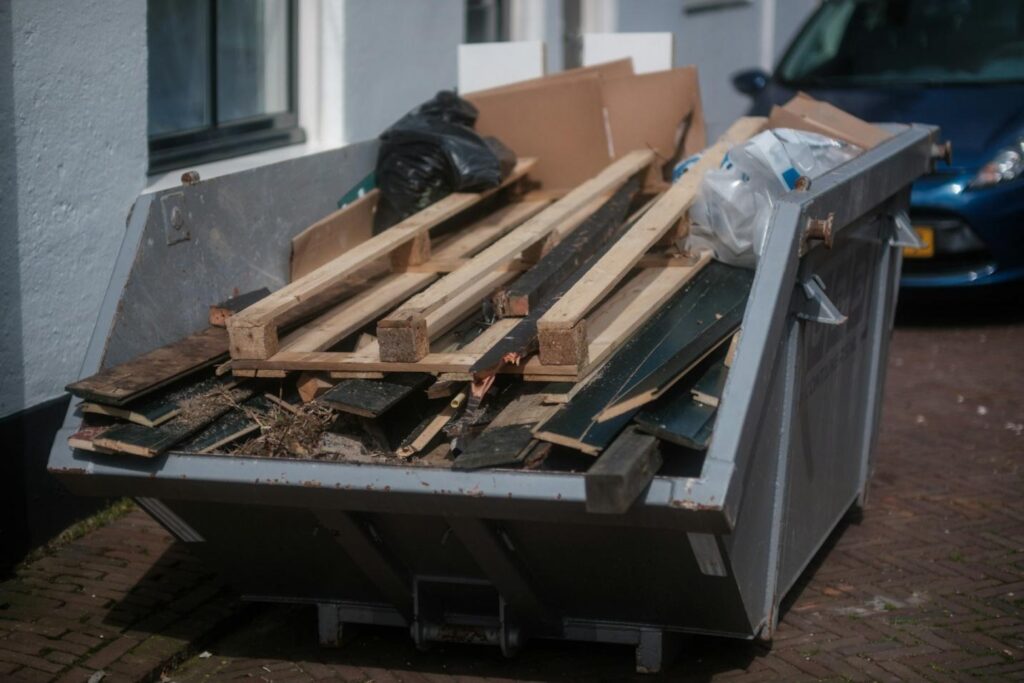
Overfilled dumpsters are not only unsafe but can also delay pickup and result in additional charges. Materials sticking out above the rim or exceeding weight limits can prevent proper transport.
To avoid this:
- Monitor fill levels regularly
- Schedule pickups before the dumpster reaches capacity
- Distribute heavy materials evenly
Understanding weight limits is especially important for construction debris such as concrete or roofing materials. A responsible Dumpster rental plan accounts for both volume and weight.
Schedule Pickups to Match Project Phases
Construction projects move in phases, and waste generation is rarely consistent from start to finish. Demolition and framing stages often produce more debris than finishing work.
Plan your Construction Dumpster schedule around these phases. Timely pickups prevent overflow and keep the jobsite functional during high-output periods. Coordinating pickup schedules with your Dumpster rental provider ensures the dumpster supports progress rather than slowing it down.
Safety Benefits of Proper Dumpster Use
Safety is one of the strongest arguments for disciplined dumpster use. A clean jobsite reduces hazards and helps crews move confidently through their tasks.
Proper waste management:
- Minimizes tripping hazards
- Keeps sharp or heavy debris contained
- Improves visibility and access routes
- Supports compliance with safety standards
A well-placed and well-maintained Construction Dumpster becomes part of your safety strategy, not just a convenience.
Environmental and Community Considerations
Construction sites are often under scrutiny from neighbors and local authorities. Overflowing debris or scattered waste can lead to complaints or inspections.
Using a professional Dumpster rental service helps ensure waste is handled responsibly. Many providers follow proper disposal and recycling practices, which can reduce environmental impact and demonstrate accountability.
A clean site reflects respect for the surrounding community and helps maintain positive relationships throughout the project.
Communication With Your Dumpster Rental Provider Matters
A strong working relationship with your Dumpster rental provider can make a significant difference. Clear communication about timelines, materials, and site conditions helps avoid surprises.
Provide details such as:
- Expected project duration
- Types of debris being disposed of
- Space limitations or access challenges
- Desired pickup frequency
This collaboration allows your Construction Dumpster service to adapt to your project’s needs rather than forcing you to adapt to theirs.
Final Thoughts
A cleaner jobsite does not happen by accident. It is the result of planning, discipline, and the right waste management tools. Using a Construction Dumpster correctly keeps debris under control, protects workers, and supports efficient project flow from start to finish.
When paired with a dependable Dumpster rental provider, best practices such as proper sizing, strategic placement, clear guidelines, and timely pickups become easy to implement. For contractors and property owners who value professionalism and efficiency, working with an experienced company like WasteLogic Dumpsters LLC helps turn waste management into a reliable asset rather than a recurring problem.