
































































































































































































































































































































































































































































































































































































































































































































































































































































































































































































































































































































































































































































































































































The Influence of Smoking on Fashion Photography Styles

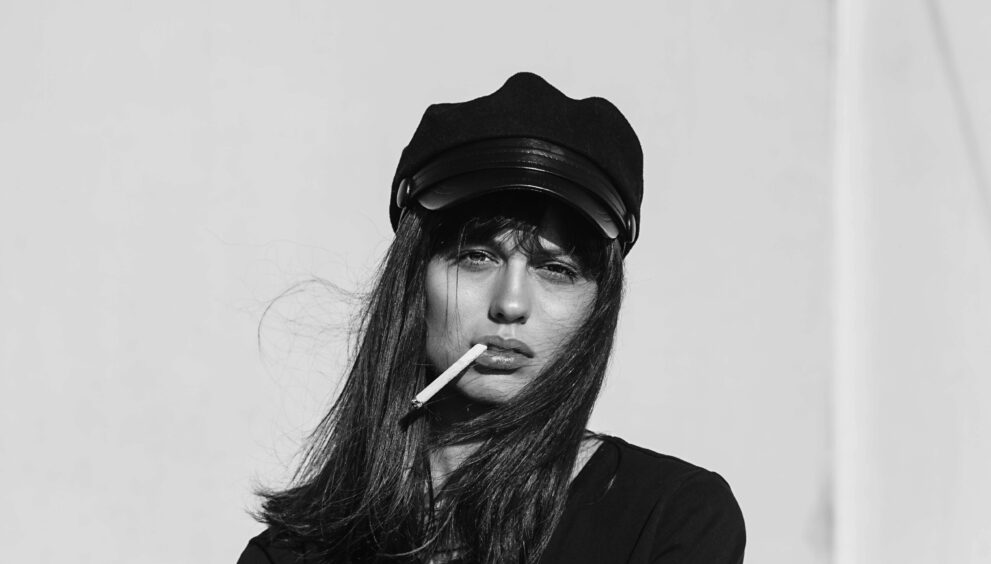
Curious to know how smoking helped create an entire aesthetic for fashion photography?
You’re in the right place. For many years, cigarettes have been one of the most controversial props in fashion photography. Smoking has helped define an entire generation of photographers and stylists, while also helping set new fashion trends.
The issue is:
In an age where the fashion industry is much more aware of their influence on mental health and lifestyle choices, how can photographers and marketers use this aesthetic while still being healthy?
Smoking and cigarettes have a complicated relationship with the photography industry. While modern audiences are more health conscious than ever, the effect of smoking on photography is undeniable.
This article will take you through exactly how the smoking aesthetic influenced fashion photography and what the industry can learn from it.
You’ll learn:
- How Smoking Became a Staple in Fashion Photography
- The Psychology Behind Smoking in Photography
- Modern Trends vs. Traditional Smoking Aesthetics
- Why Photographers Continue to Use Smoking Props in 2022
How Smoking Became a Staple in Fashion Photography
Okay. This might blow your mind…
Smoking didn’t originate in fashion photography as an act of rebellion or to prove something to an audience. Rather, smoking started as a sign of sophistication in the 1920s.
Women began smoking as a way to look more progressive and independent. As smoking grew in popularity, it became a more common subject in photoshoots. Photographers began to use it to accentuate a photo’s composition.
Here’s the thing:
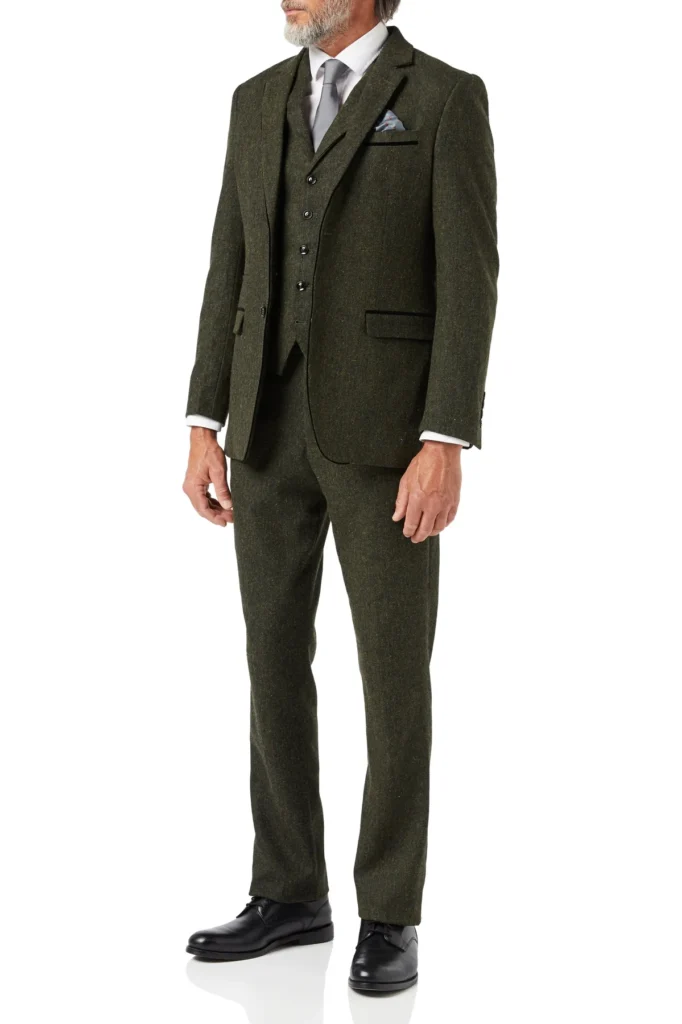
By the 1960s, fashion designers were starting to incorporate smoking directly into their clothing lines. Yves Saint Laurent, for example, created the iconic “Le Smoking” tuxedo jacket for women to wear while smoking. This jacket featured satin lapels to repel ash.
As time went on, cigarettes were integrated even further into fashion photography. In the 1970s, cigarettes companies started making a concerted effort at product placement in visual media.
Magazines were the perfect platform for cigarette brands to showcase their products. Photographers would often take photos in exchange for free cigarettes.
In the ’90s, Kate Moss singlehandedly changed the aesthetic of smoking in fashion photography. Her thin, ethereal figure combined with the heroin chic look and cigarettes created a powerful visual language that had never been seen before.
The popularity of the look was so strong that models lighting up Putters cigarettes today are still immediately associated with the same aesthetic.
Pretty insane, right?
This is exactly why smoking became such a powerful and unavoidable element of fashion photography. Photographers used smoking as a sign of beauty, power, and strength. Smoking was its own visual aesthetic.
The Psychology Behind Smoking in Photography
If you’re wondering why smoking seems to work so well in photographs, the answer is simple.
It’s the psychological triggers. Smoking creates a mental context for a photograph. The viewer has an immediate reaction or association with what they see.
The primary psychological associations are:
- Rebellion
- Independence
- Sophistication
- Elegance
- Mystery
- Intrigue
- Authenticity
The photography industry is fully aware of this. Smoking has an incredible effect on a photograph.
But here’s the real problem…
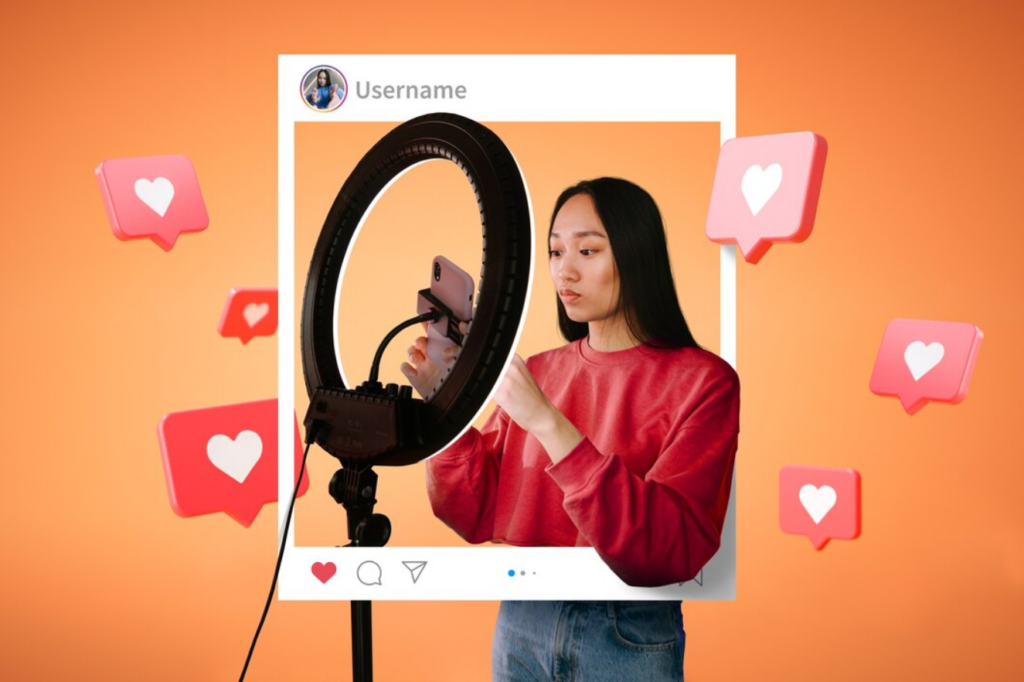
Data suggests that 55% of young adults that use Instagram are influenced by the lifestyle choices in images they view online. When the fashion industry allows models and celebrities to smoke in images, it normalizes the practice for millions of viewers.
This is why the fashion industry faces criticism from some audiences for their choice of lifestyle imagery. The visuals are powerful, but the reality can have dire health implications.
Modern Trends vs. Traditional Smoking Aesthetics
One of the most exciting things about fashion photography today is how photographers are creating the look of the smoking aesthetic without using smoking.
You see, there are two sides to the smoking debate in photography.
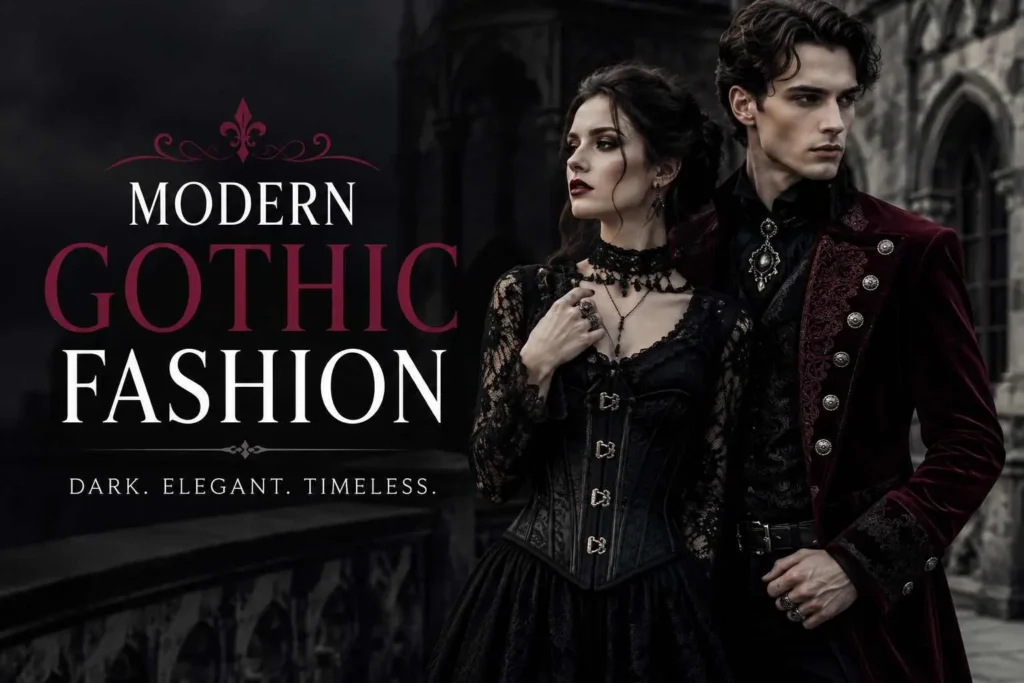
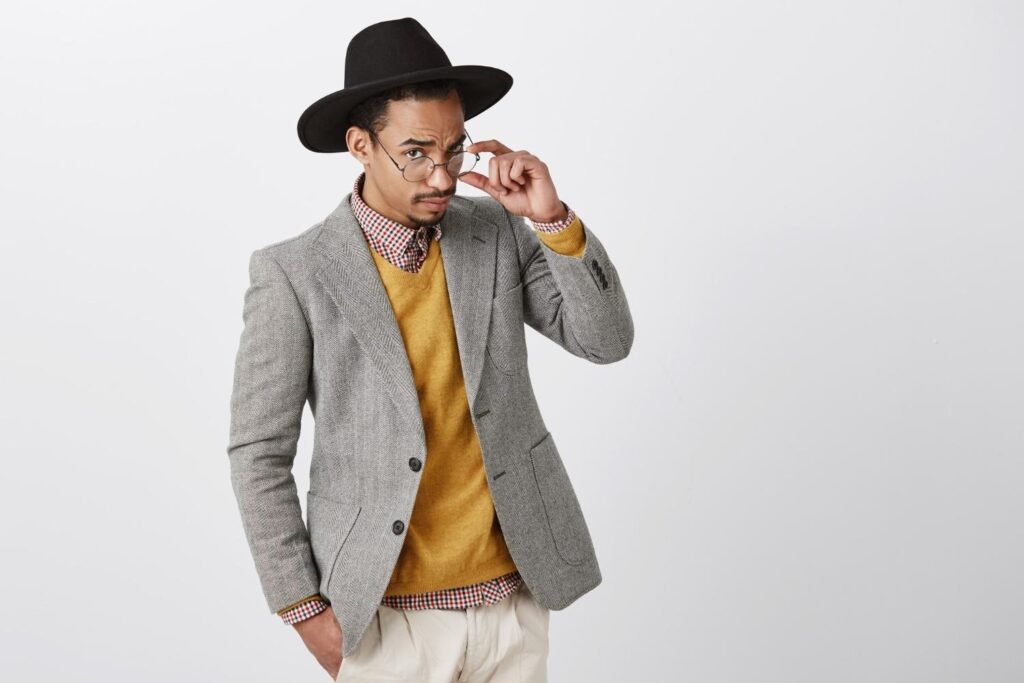
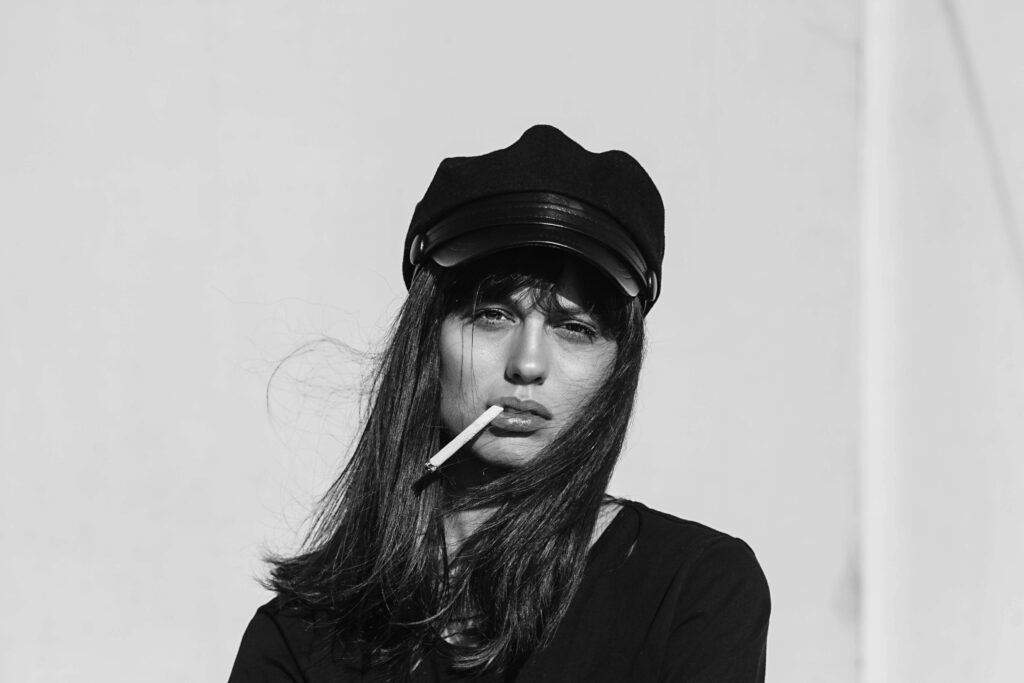
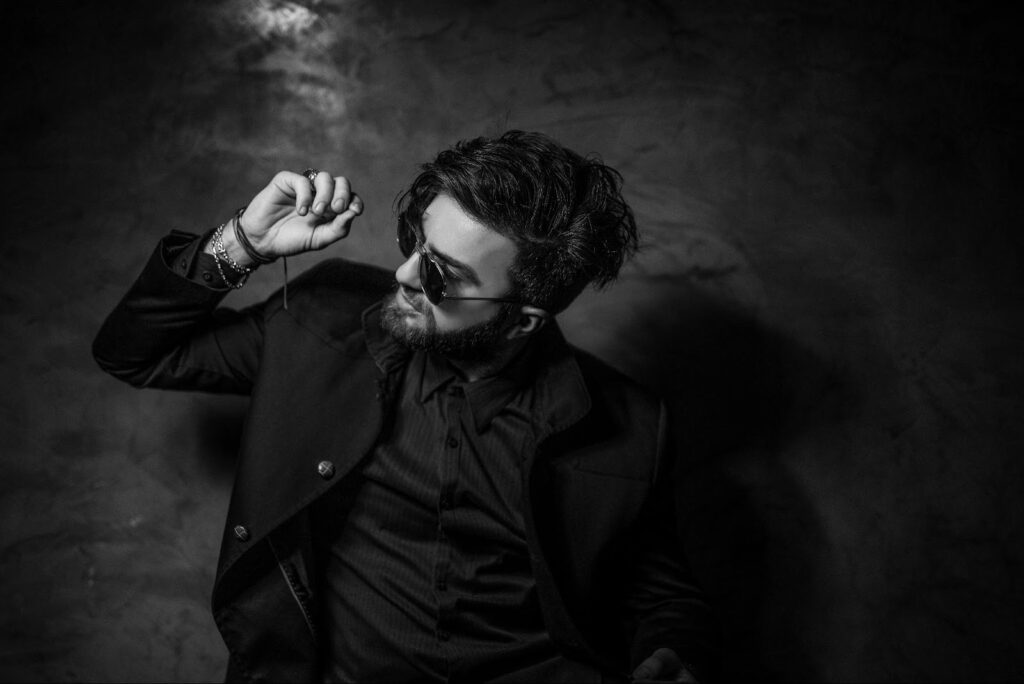
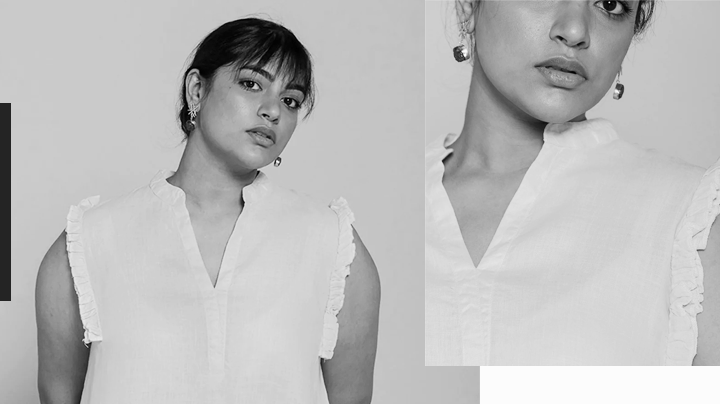
On one side, there’s the classic visual aesthetic of the smoking trend. Black and white photography, cigarettes, hats, glamorous women.
On the other side, there’s the modern trend towards health and safety in imagery.
The traditional smoking aesthetic consists of:
- Bold lighting with plumes of smoke
- Black and white photographs for a timeless appearance
- Close-up shots that accentuate the smoke and model
- Environmental portraiture with low lighting
The modern aesthetic is:
- Brighter images with natural lighting
- Candid moments without harmful props
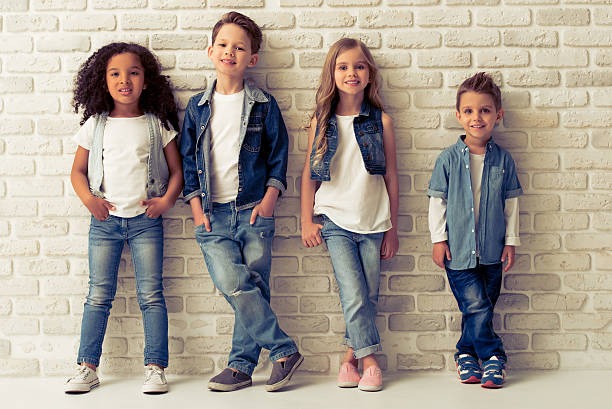
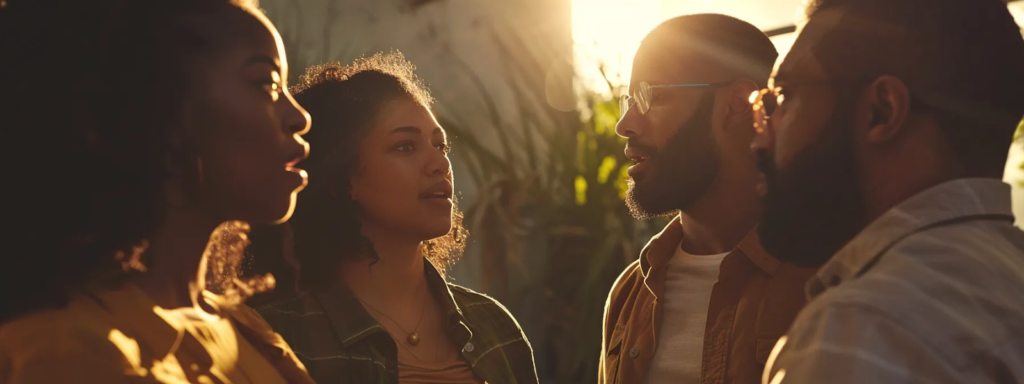
- Inclusive imagery of a diverse range of communities
- Sustainable and environmentally friendly methods
Photographers today are getting really creative with this push and pull.
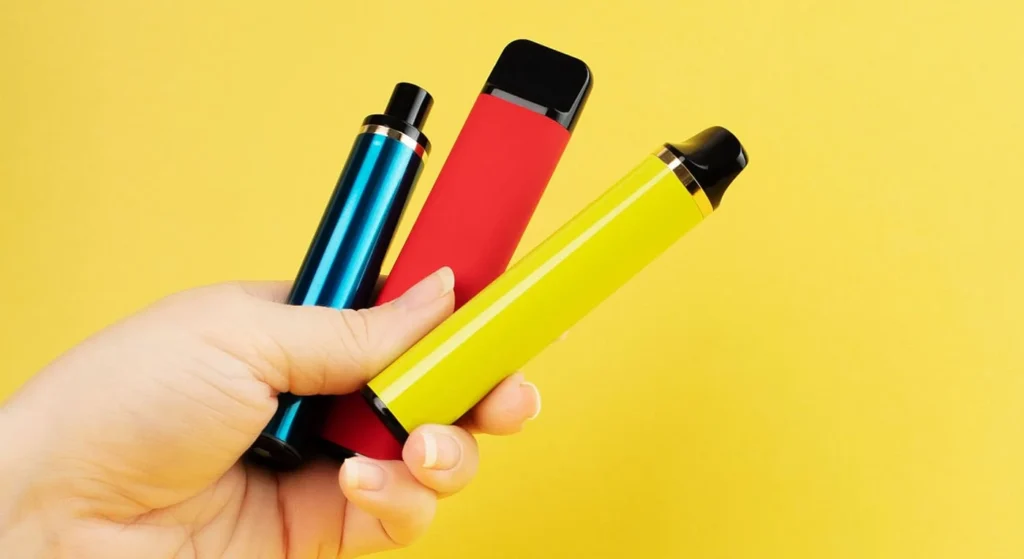
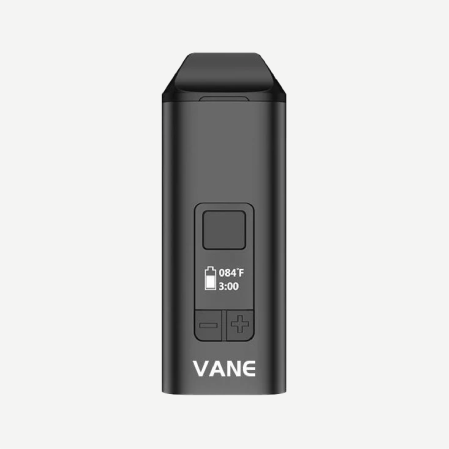
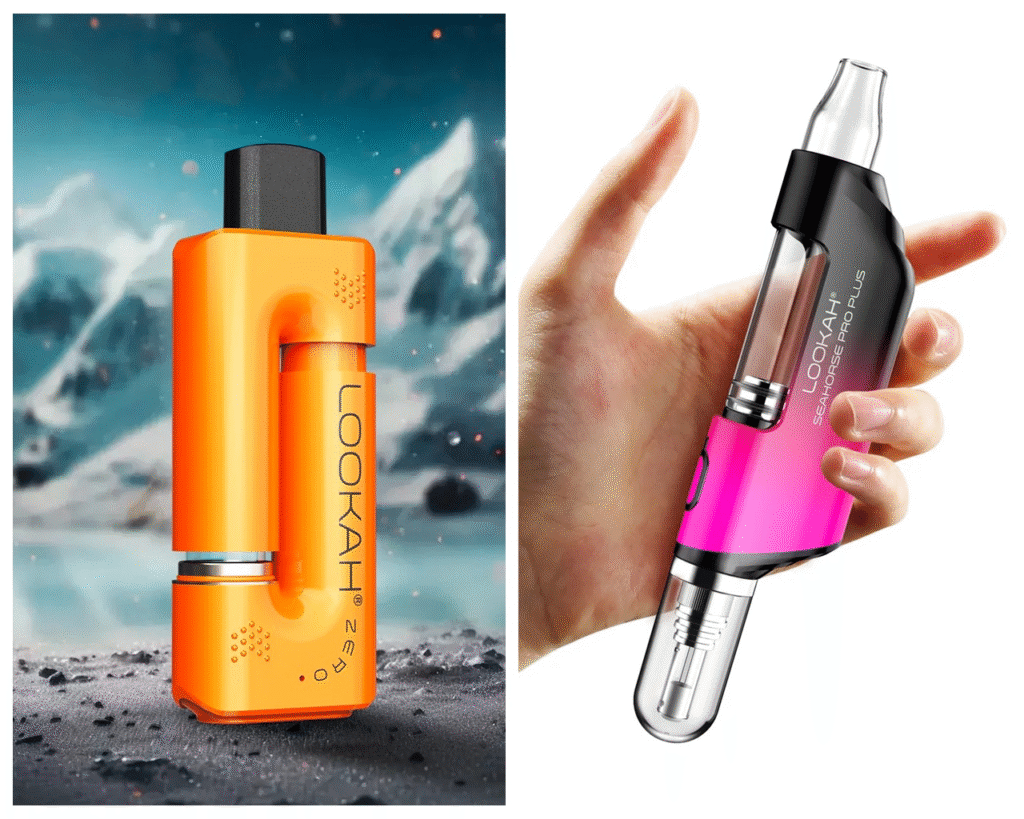
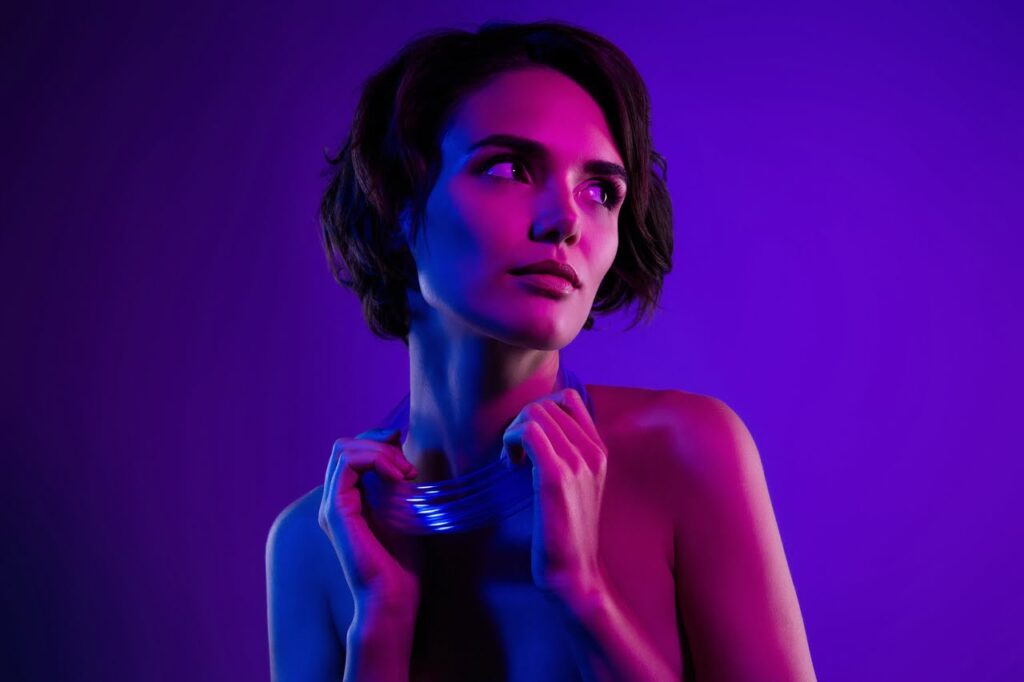
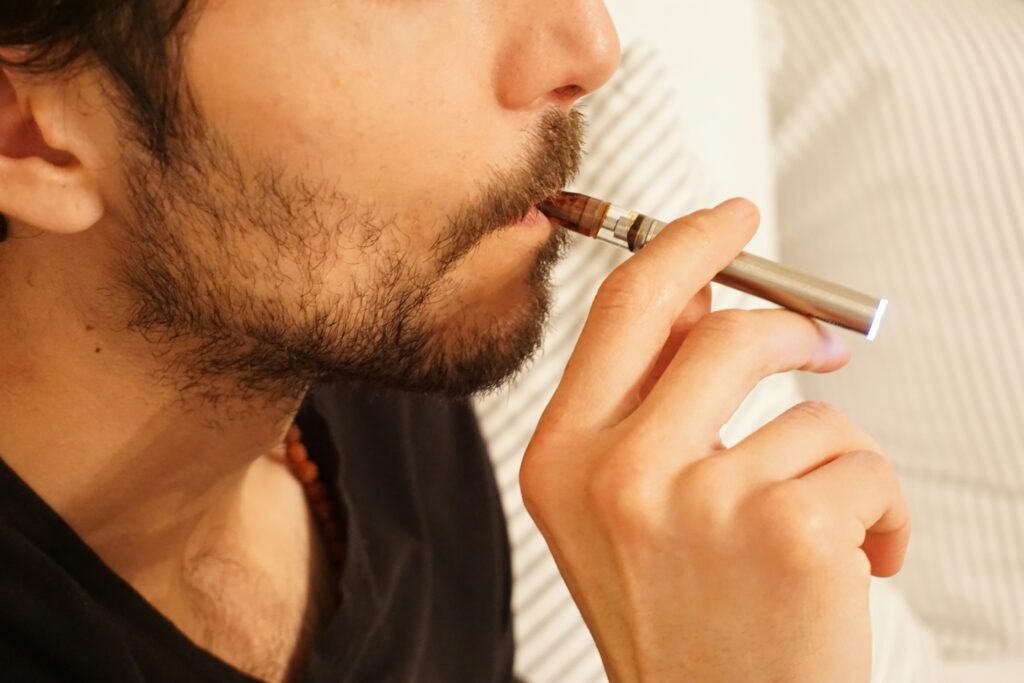
One way they are recreating the look of smoke and cigarettes is with vapor or dry ice. Vapor machines, like tobacco cigarettes, can easily create wisps of smoke around a model.
Dry ice can be placed on the ground to give a similar atmospheric feel. Photographers can also recreate the smoke in post-production.
The majority of clothing companies will still use lifestyle imagery in their product shoots. There’s a reason certain brands or images go viral – they create an emotional reaction with the audience.
Why Photographers Continue to Use Smoking Props in 2022
Let’s keep this between us, okay?
Smoking props and cigarettes are not going anywhere, despite the health risks and social pressure to change. In fact, some photographers would argue they are more important than ever.
Here’s why:
- Impact: Nothing has as much visual impact as the smoking aesthetic. Smoke combined with lighting creates a range of textures and moods that are difficult to imitate.
- Storytelling: The argument of many photographers who are against “cleaning up” is that fashion photography without cigarettes and smoking props no longer feels real. Smoking is a part of human experience.
- Commercial demand: Many high-end fashion brands or edgy magazines still request smoking images for use in their campaigns.
The fact of the matter is that the cigarette and smoking aesthetic isn’t going away. What is changing is how photographers are interpreting it.
Photographers are learning to understand the design elements that made smoking so visually effective. Then, they are working to capture those elements without the cigarette prop.
Photographers who understand how smoking is able to create powerful, attractive images are able to create more powerful, attractive images. Period.
The smoking aesthetic pushed the fashion photography industry to be more creative and more innovative. When you don’t have cigarettes in your arsenal, you’re forced to be original.
The Future of Smoking in Fashion Photography
So what’s next?
The influence that smoking has had on fashion photography isn’t going anywhere. Smoking is an aesthetic that is too ingrained in our visual language and cultural aesthetics.
What is changing is how we use that influence.
Photographers are becoming more intelligent about separating the design elements that created the power of smoking from the actual cigarettes.
Photographers who are successful are learning to capture the essence of smoking without the actual cigarettes. They can achieve this by understanding the psychological and visual elements that smoking in photography accomplished.
This is what is making the fashion photography industry better. Photographers are becoming more creative and innovative in their approach.
Photographers are learning to use the same elements smoking once created, but instead apply them to healthier, more constructive imagery.
Wrapping It Up
Smoking has had a long, powerful influence over the aesthetic of fashion photography. The smoking trend started as a symbol of elegance in the 1920s and later was incorporated into clothing and the photos themselves.
Photographers today have a complicated relationship with the smoking aesthetic. On one hand, smoking has an incredibly powerful impact on the look of a photograph.
On the other hand, health concerns and the realization of photography’s impact on mental health awareness has photographers and models alike trying to remove smoking from imagery.
The solution is for photographers to be more aware and educated about what makes smoking so powerful. Once photographers are able to capture the feeling of smoking without the actual product, the industry becomes more powerful, creative, and efficient.
The smoking aesthetic has taught us about style, fashion, photography, and visual language. Now, it’s time to use that information to make photography and fashion better.