















































































































































































































































































































































































































































































































































































































































































































































































































































































































































































































































































































































































































































































































































































































































































































































































































































































































































































































































































































How geometric wall panels can elevate modern home style


Why interior design is obsessed with geometric walls
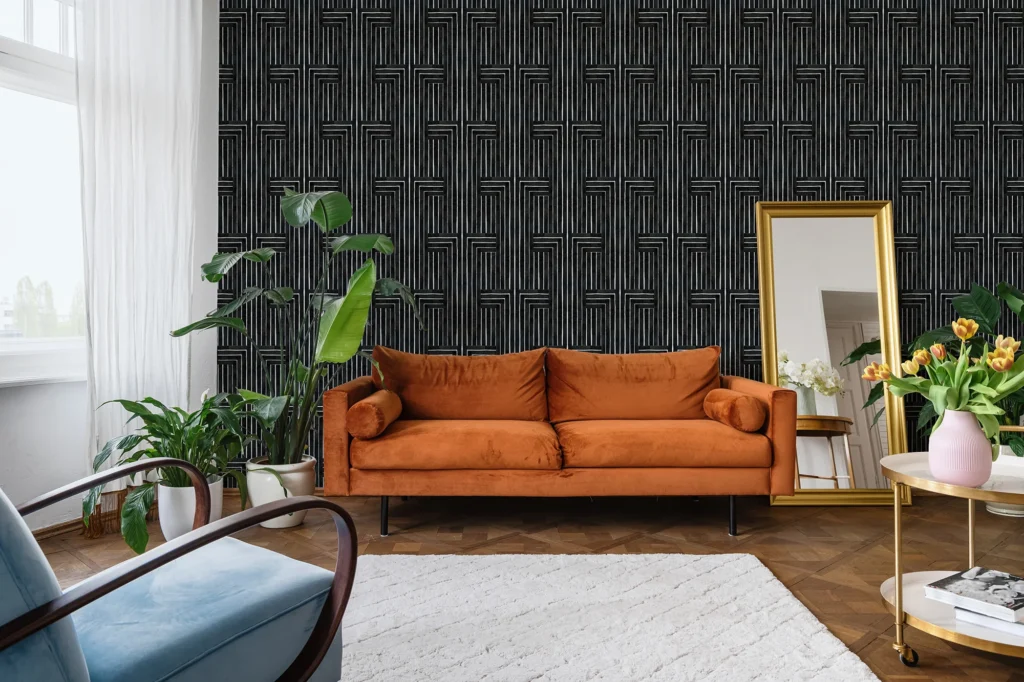
Scroll through any interior design feed and you will notice a pattern: strong shapes are quietly replacing busy décor. Designers are stripping back clutter and letting walls carry the personality of a room. Geometric wall treatments in particular have become a favorite because they add structure and rhythm without feeling loud or trendy-for-the-moment.
Unlike a bold paint color that can date quickly, geometric relief uses shadow, depth, and repetition. It looks considered in a minimalist Scandinavian living room, yet still feels at home in a moody, dramatic space with dark wood and metallic details. One of the most adaptable versions of this look is the hexagon, a shape that feels both mathematical and organic at once.
Hexagonal patterns echo honeycombs, stones and tiles, which is why they read naturally in both contemporary and classic homes. When translated into sculpted wall cladding instead of flat paint or paper, they turn a blank wall into a tactile surface that reacts to changing light throughout the day.
Hexagon panels as the new statement wall
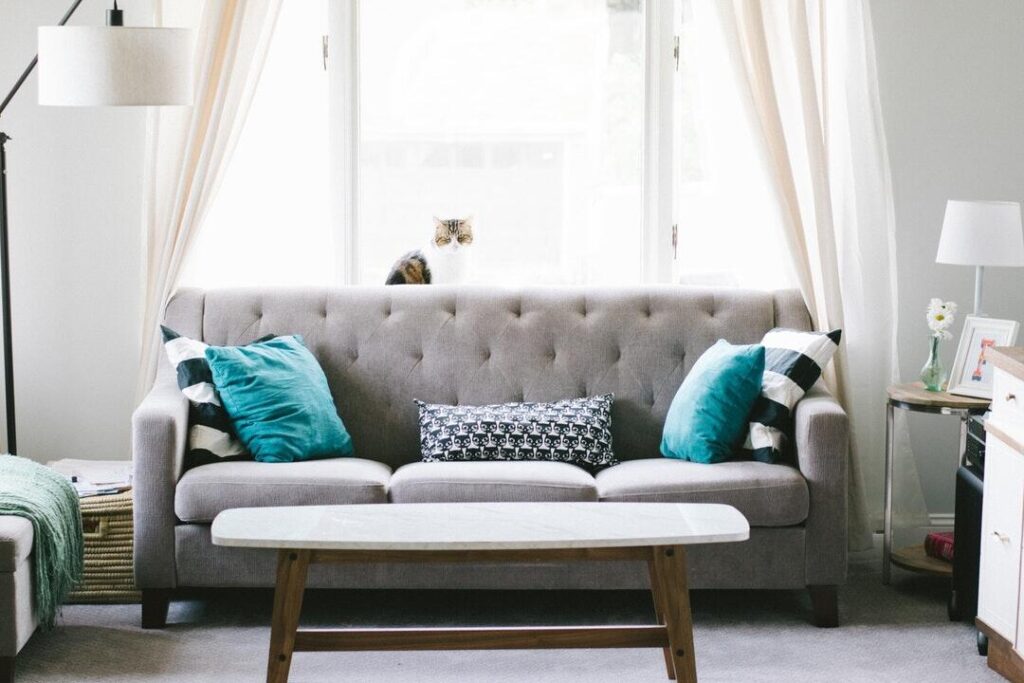
If you like the idea of a feature wall but find murals and large artwork overwhelming, three dimensional hexagon panels offer a balanced alternative. The repeating six sided shape creates a sense of movement, yet the geometry keeps everything orderly. In a living room, a single accent wall behind the sofa instantly becomes the focal point, so the rest of the space can stay calm and restrained.
Designers often recommend pairing geometric wood panels with a limited palette. Think warm oak tones against soft white walls, or deep walnut next to charcoal paint. This keeps the eye focused on the relief of the pattern, not a clash of colors. The hexagon layout can either be tightly packed for a continuous honeycomb effect or arranged more loosely as a cluster that tapers away into the painted wall for a softer, more sculptural moment.
Because the modules are small and repeatable, you can scale the design to suit your room. A compact reading nook might only need a vertical strip of panels to feel finished, while a long hallway can handle a broad expanse of pattern without closing in the space. When carefully lit with wall washers or spotlights, even a simple installation takes on gallery like depth.
For open plan spaces, hexagon cladding is also a clever zoning tool. A textured feature behind the dining table or a TV wall subtly separates different functions without resorting to bulky room dividers, which is particularly useful in small apartments.
Balancing style and sound in busy households
Modern homes are full of hard surfaces. Timber floors, large windows, stone benches and glass tables all look beautiful, yet they also bounce sound around. That is why a video call can echo in a home office, or a family movie night can feel louder than it should. Geometric wall panels in timber or felt backed constructions add visual interest and quietly help to soften these reflections.
In media rooms, home studios, and kids’ play areas, sculpted cladding can contribute to a noticeably calmer acoustic environment. The varied surface of a hexagon pattern breaks up sound waves instead of letting them rebound cleanly off a flat wall. While it will not replace professional acoustic engineering where that is required, it is a thoughtful step up from bare plaster or basic paint.
Panel systems that combine a decorative timber face with an acoustic backing layer are especially valued in multi purpose living spaces. They give you the architectural warmth of wood while making conversations, music and streaming sound more pleasant to live with. Many homeowners are surprised at how much more comfortable a room feels once the echo is reduced, even when nothing else has changed.
Design oriented buyers increasingly expect this sort of dual functionality from finishes. They want wall treatments that look curated in photos yet also contribute to comfort during daily use, whether that is better sound, less visual clutter, or an easier surface to keep looking fresh.
Playing with scale, color and placement
One of the strengths of geometric wall cladding is how flexible it can be. The same pattern reads differently depending on scale and tone. Larger hexagons in pale oak feel relaxed and airy, well suited to Nordic or Japandi inspired interiors. Smaller, denser patterns in dark timber or matte black feel cocooning and dramatic, perfect for a bedroom headboard wall or a moody bar corner.
Color choices matter as much as the shape. Soft neutrals highlight the natural grain of the wood and allow furniture, textiles and art to stand out. High contrast combinations, such as deep panels against light surrounding walls, make the geometry itself the main feature. Some homeowners choose to blend two related tones within the same layout, for instance alternating mid oak and smoked shades for a subtle gradient effect.
Placement is another powerful lever. Cladding the full height and width of a wall gives a tailored, built in feel, especially behind a custom media unit or desktop. Stopping the pattern at picture rail height can make ceilings feel higher by drawing the eye upward. For renters or those reluctant to commit to a full wall, smaller installations above a console or around an entryway bench provide a taste of texture without overtaking the space.
How acoustic slat styles compare to geometric designs
Geometric surfaces are not the only way to introduce textural timber into an interior. Vertical slatted wall treatments have grown just as quickly in popularity. Where hexagons create a rhythmic, almost tiled visual language, slats pull the eye upward and add strong linear structure. Many homeowners combine the two styles in different rooms so their home feels cohesive rather than repetitively matched.
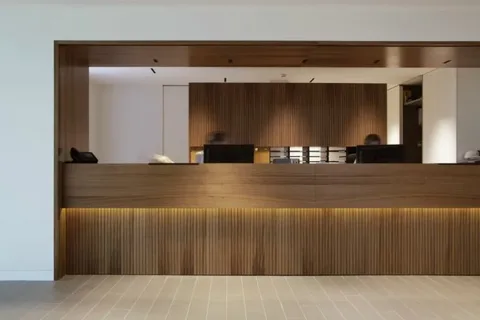
Living areas and bedrooms often benefit from sculpted feature walls, while circulation zones like hallways, stairwells and entrance corridors are ideal places to experiment with acoustic wood wall panels in a slatted configuration. The slim, repeated battens create an architectural backdrop for artwork, mirrors and coat hooks, and they can also help disguise small wall imperfections.
From a styling perspective, slats and hexagons simply behave differently. Slats pair beautifully with mid century furniture, slimline metal frames and understated textiles because they echo the clean lines already present. Hexagon patterns lean a little more expressive and playful, which suits eclectic spaces or rooms where you want a touch of visual drama, such as a dining alcove or creative studio.
Both styles appeal to people who want their walls to work harder. Instead of flat surfaces that rely entirely on color, these treatments add depth, shadow and tactility while supporting better acoustics and a feeling of quality craftsmanship.
Practical tips for choosing and styling modern wall panels
When deciding where to introduce patterned cladding, start by standing in key spots and asking which wall your eye hits first. That surface is usually your best candidate for treatment. Measure carefully and sketch a rough layout before committing, especially if you plan to combine painted sections with paneling so the transitions feel intentional rather than abrupt.
Think about lighting early. Directional ceiling spots or slim wall washers will bring out the relief of both hexagon and slatted surfaces. In darker rooms, consider adding picture lights or integrated LED strips in shelving so the pattern never recedes completely into shadow. Warm white bulbs typically flatter timber tones better than cool white, which can make even rich wood look flat or gray.
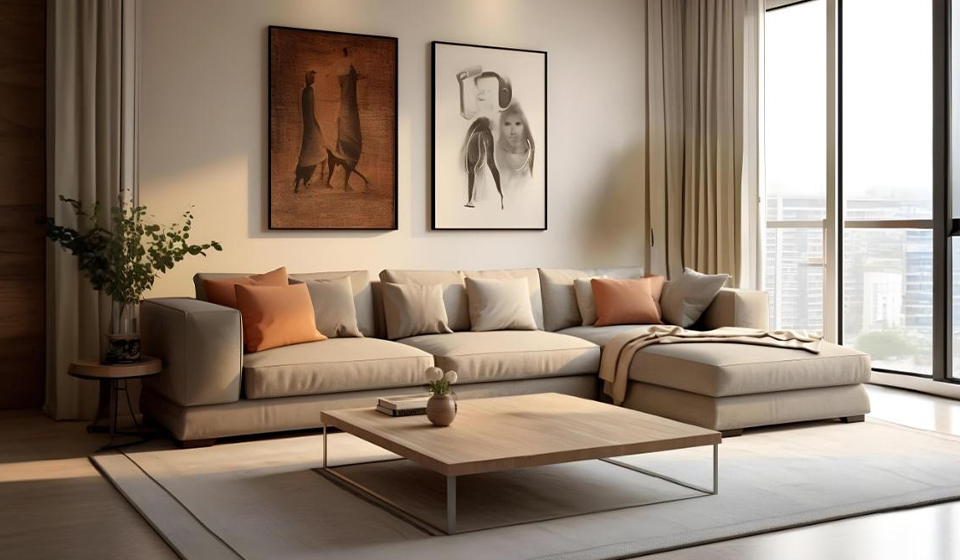
Finally, keep the furnishings around a statement wall simple enough that the texture can breathe. Upholstery in solid fabrics, streamlined side tables and a restrained mix of metals will help your cladding remain the quiet star. By treating your walls as a designed element rather than an afterthought, you create rooms that feel layered, intentional and welcoming long after the latest trend cycle has moved on.