



























































































































































































































































































































































































































































































































































































































































































































































































































































































































































































































































































































































































































































































































































































































































































































































































































































































































































































































































































































































































































































































































































































































Getting Paid, Your Way_ Payment Solutions for Modern Freelancers


Freelance work provides a certain level of flexibility, autonomy, and the opportunity to work on projects based on their personal skills. Freelance work has its challenges, too, especially when receiving payments. The problem arises because the clients can choose different ways of making the payments, and that forms a problem for freelancers to have a smooth flow of money. Having flexible payment systems has become a necessity for anyone who works on a freelance basis.
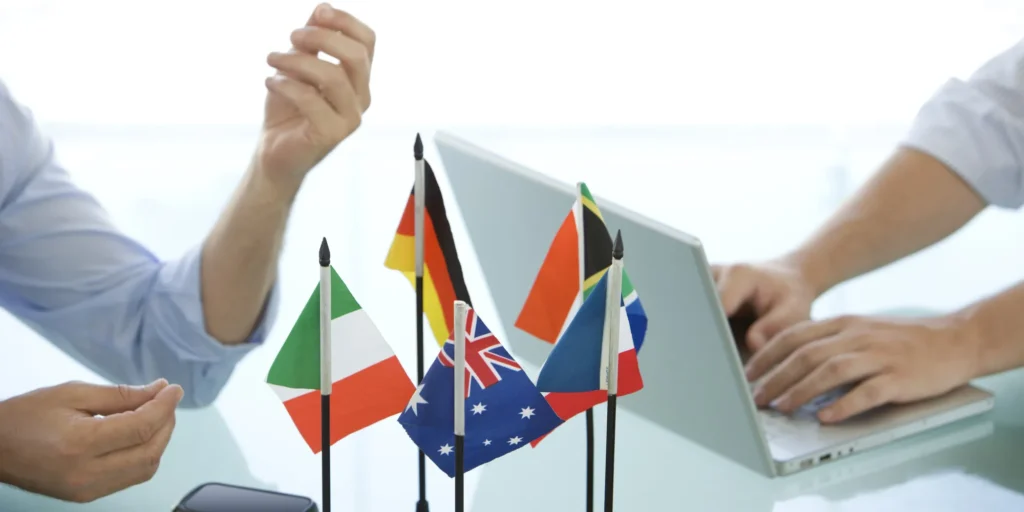
This reflects the globalization that characterizes the freelance working environment. Online transfers, digital wallets, and cross-border money transfers offer a number of variants to get paid on time. Freelance workers who have international clients need an option that would address foreign exchange and lower transaction fees. Choosing the right platform will bring in time and cost-saving benefits, besides ensuring safety and ease of transaction.
Key Features to be Considered While Choosing a Freelance Payment Solution
Ease of use and security are two important things in choosing any payment service. Payment services that involve encryption in the transaction processing and offer fraud protection can be considered secure for both parties. Such payment services that guarantee speed in transferring funds, such as instantly or on the same day, enable the freelancer to manage their finances properly. In addition, linking payment service with other financial tools can simplify the management of the finances.
The viability of the solutions also depends on cost charges and convenience. Low or stable charges mean that there are no surprises in income, which is important. International boundary-crossing accessibility ensures that without many hurdles, the payments can be made. Services including flexibility, or reminders, or analysis capabilities for tracking income effectively empower the freelancers. Solutions that provide all these aspects give comfort to the freelancers to handle their income efficiently. For those looking to optimize their international transfers, RemitFinder helps you compare various providers to find the best exchange rate to send money from Australia to India or any other country, ensuring that freelancers maximize their hard-earned global earnings.
Freelance work also influences requirements on payment. Graphic designers, authors, programmers, and consultants may need varied structures in terms of the need for payment. A solution that supports diversity in payment needs allows professionals to personalize scheduling of payments, make partial payment requests, or handle business with recurring payments. Such flexibility within a payment solution reduces stress and allows for a good working relationship.
How Freelancers Can Get Paid Better
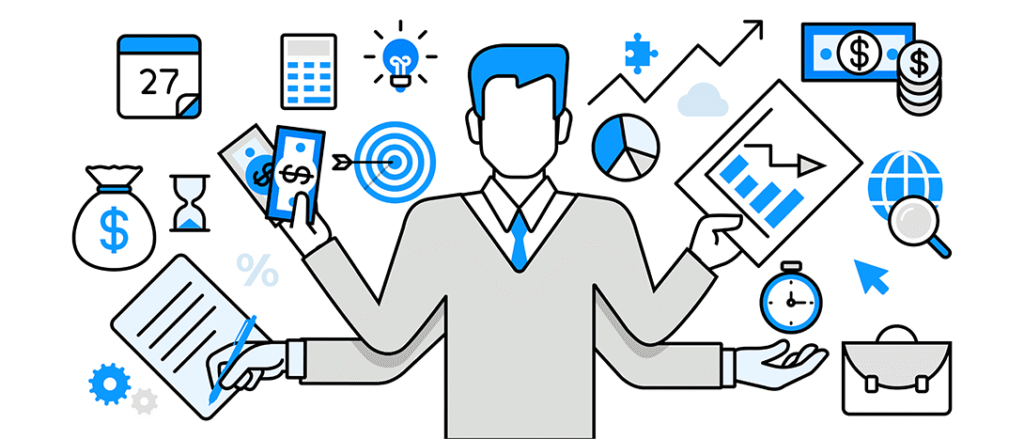
Organization smooths the financial management process. With invoicing, receipt, and contract management in a single centralized system, mistakes and oversights become less probable. It is fitted with functions such as efficient payment processing to ensure that freelancers can trace the flow of their income, make settlement transactions, and withdraw money easily.
Freelancers dealing with various clients or projects across the globe find it convenient to have all their payment streams under one system. This is because this way, they do not have to use various platforms. With everything in one place, it’s easy to budget and apportion finances. Freelancers can, therefore, be in a position to allocate time for projects, pay contractors, or buy resources without having headaches over missed payments.
Another important aspect is the communication between clients in regard to efficiency in terms of payment. The clear conditions for making payments, timelines, and instructions for invoicing make it possible. On these platforms, the reminder and notification systems work in collaboration to make both parties accountable. The freelancers maintain professional relations by taking financial processes into their hands.
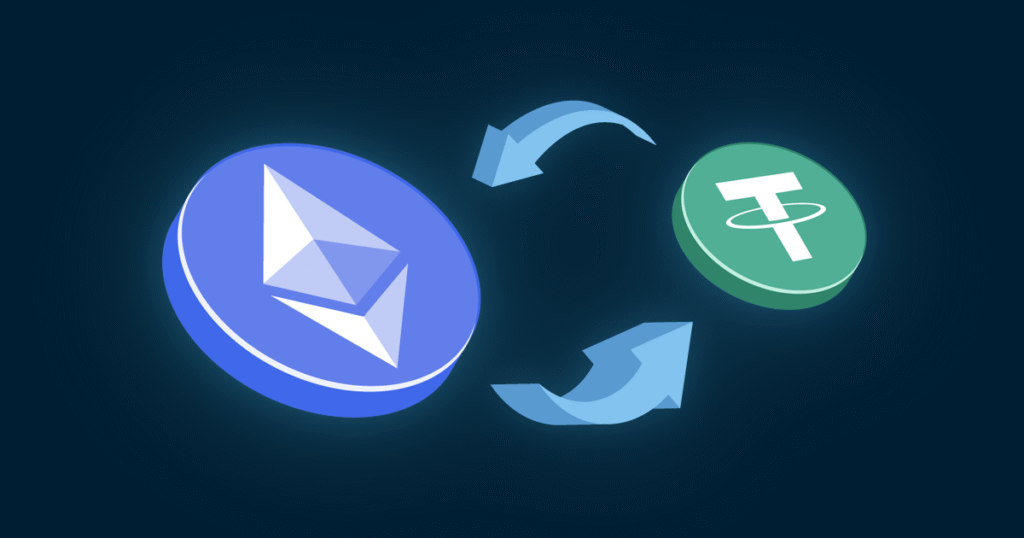
The tracking of trends in the field of payment solutions allows freelancers to make use of innovative technology. An additional advantage of this is the presence of mobile applications, cryptocurrency, and APIs, especially for those working with clients or partners across the globe. If they keep themselves updated, they can easily choose a solution that fits their workflow and the needs of their clients. Technology adapts to professional needs, making management easier when it comes to finances.
Managing Security and Compliance
Secure payment solutions protect against fraud, identity theft, and unauthorized transactions. Secure platforms ensure encryption, secured login, and monitoring of irregular activities. By using such a platform, freelancers secure themselves and maintain a professional reputation. The other important factor to be considered is regulatory compliance. Services that are in compliance with local and global laws make sure that all transactions are valid and traceable with transparency.
Structured payment systems also support filing and reporting of taxes. In addition, a platform that keeps track of a person’s income, charges, and payments made by clients simplifies year-end filings. Such systems and their capability for reporting enable freelancers to attend more to growing the business rather than reconciling accounts manually.
In addition, choosing technologies that combine speed, security, and financial oversight supports effective management. Freelancers who use such systems can handle a number of clients, currencies, and projects efficiently. Reliable platforms reduce stress associated with financial administration while improving client satisfaction.
What Does the Future Hold for Freelancer Payment Solutions?
The freelance industry keeps on growing, and with it, payment solutions evolve to meet every new demand. Globalization, remote work, and diverse client bases create demand for solutions that manage various types of currencies, payment methods, and contract types. Platforms that are able to bring banking, accounting, and communication tools all into one place provide a single point and reduce some of this complexity in the name of efficiency.
Mobile solutions, blockchain transfers, and invoicing automation are molding the ways of handling payments. Automation reduces repetitive tasks, while transparent tracking makes freelancers and clients accountable. Such developments indeed give freelancers flexibility and control over their stable incomes.
The basis of proper financial management relies on education and awareness. Freelancers who understand the features, fees, and compliance requirements of the platform features generally make better decisions. They can choose options that save time, reduce costs, and support smoother client interactions. Knowledgeable use of technology maximizes efficiency while minimizing risk.
Reliable freelancer payment solutions reduce administrative burdens, freeing time for core work. Freelancers who adopt these tools gain control over income flow, enabling more strategic decisions about selecting projects and growing businesses. Long-term stability requires systems that combine usability, security, and flexibility. Accurate record-keeping and reporting further strengthen credibility and professionalism. As the freelance economy expands, payment platforms will continue to adapt to the evolving needs of clients, regulations, and technological advancement.
Freelancers are empowered with flexible, secure, and transparent solutions that enable them to manage their finances independently while concentrating on quality work. Integration of technology, organization, and knowledge forms the backbone of modern freelance operations. Smooth financial management means improved productivity: Freelancers who manage their finances well, helping to make payments convenient and transparent, avoid delays and payment errors. They invest their time in the work that matters, such as creative or technical projects, while staying on top of income. Long-term financial goals are also upheld through reliable solutions that confidently enable freelancers to estimate revenues and thus save and invest in future projects.
This, in turn, allows freelancers to manage money effectively by providing secure, flexible, and transparent payment solutions. Tools for freelancing specialists reduce administrative overhead, avoid delays, and exclude operational breaks. Freelancers could keep their income at hand while concentrating energy on work and professional development.