



















































































































































































































































































































































































































































































































































































































































































































































































































































































































































































































































































































































































































































































































































































































































































































































































































































































































































































































































































































































































Virtual Realities, Real Fun: The World of Gaming

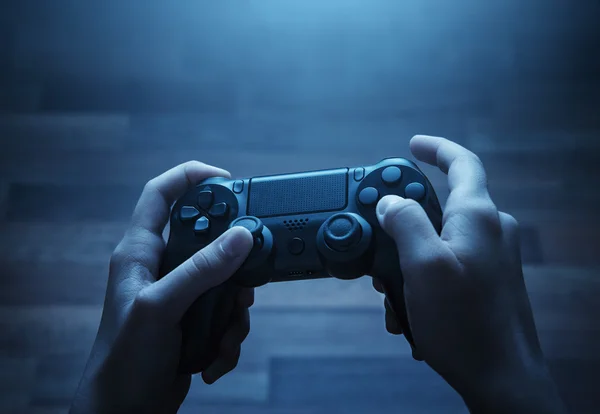
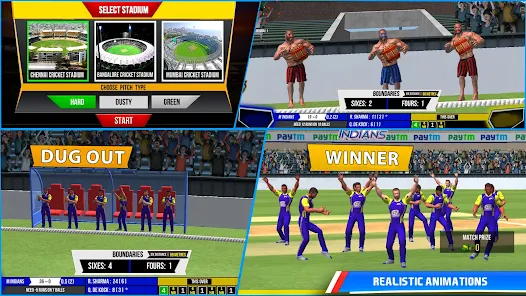
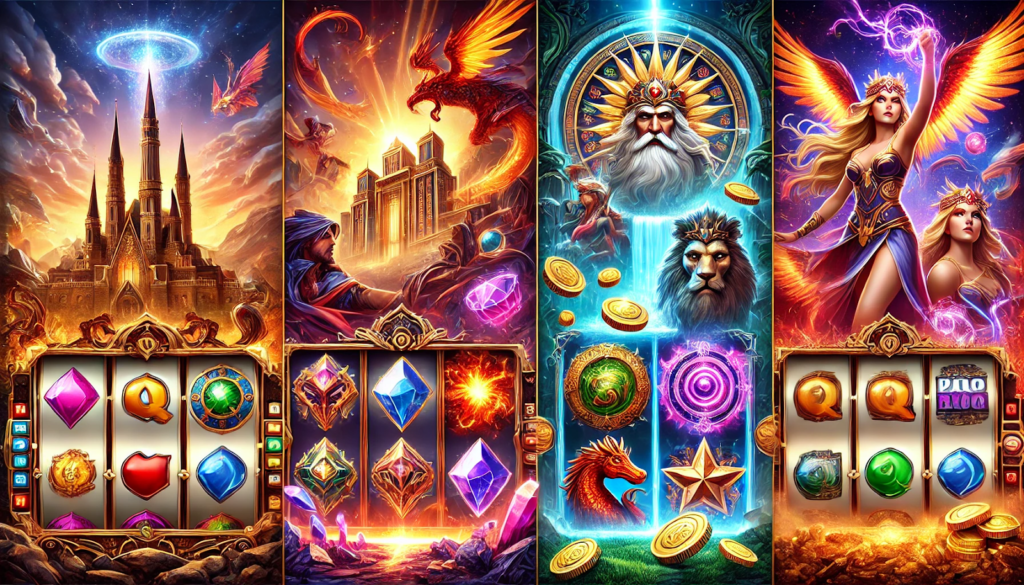
The world of gaming has grown into an exciting universe where virtual realities offer experiences that were once unimaginable. From the earliest pixelated slot arcade games to modern immersive virtual reality (VR) adventures, gaming has evolved into a global phenomenon that combines entertainment, creativity, social connection, and personal growth. The thrill of gaming today is no longer just about winning points or completing levels it’s about stepping into vibrant worlds, interacting with others, and exploring new possibilities.
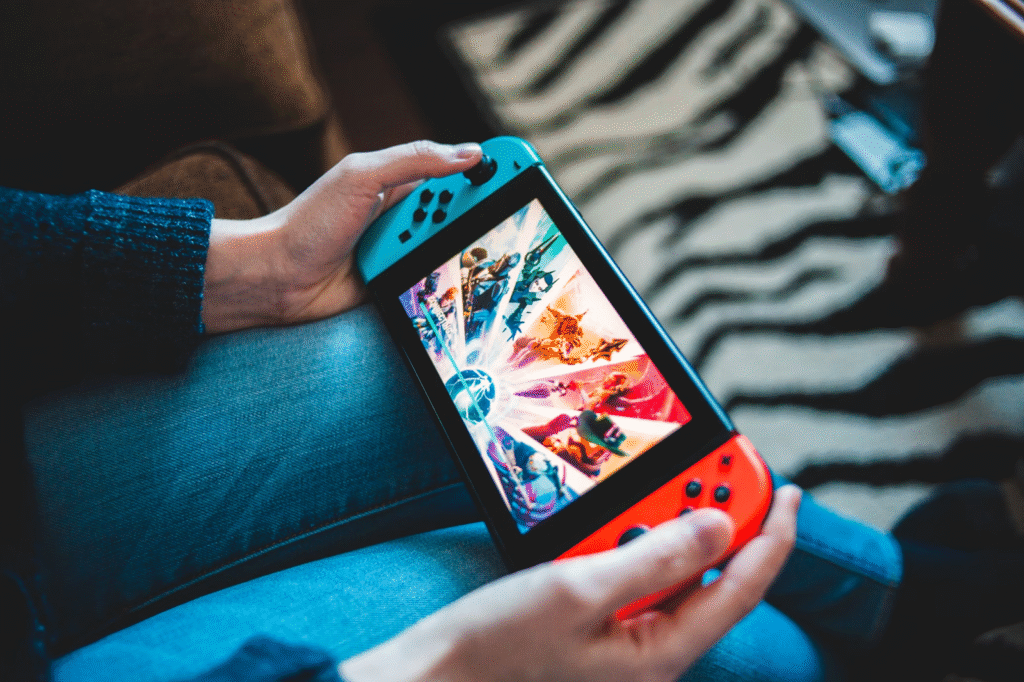
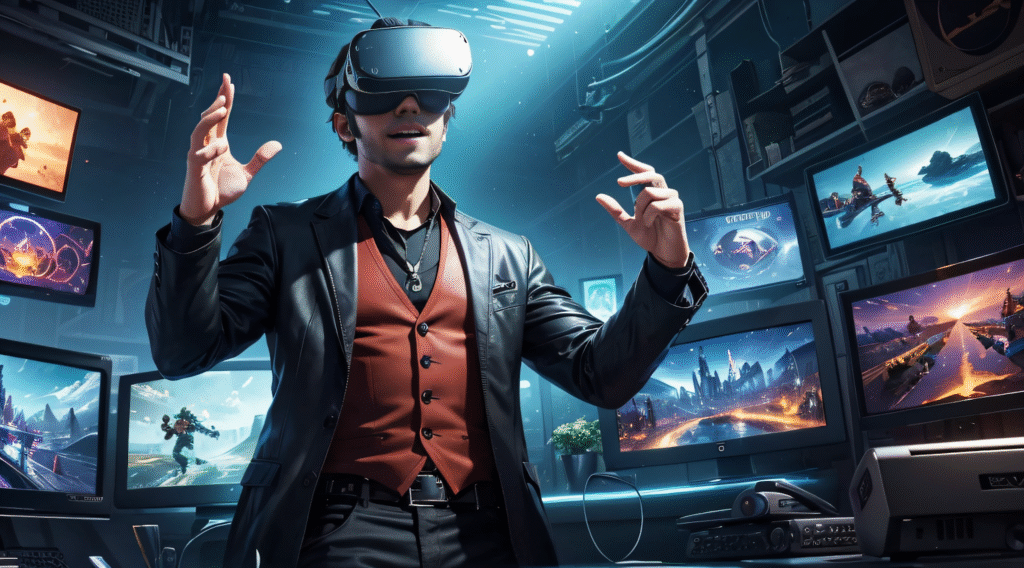
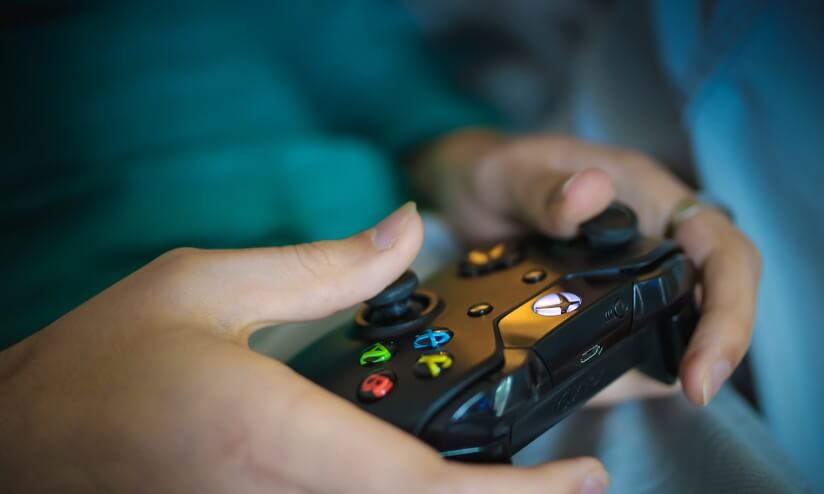
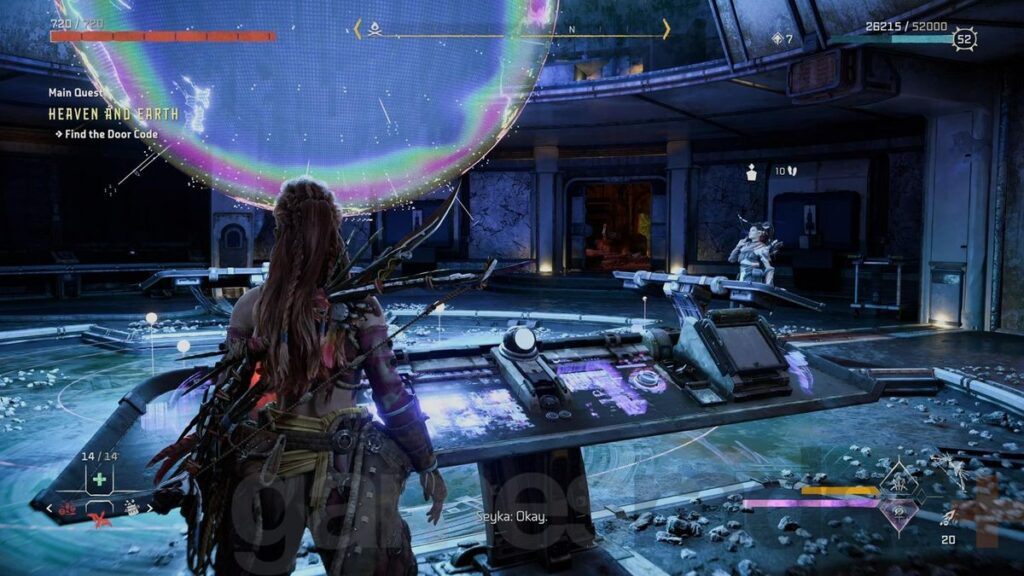
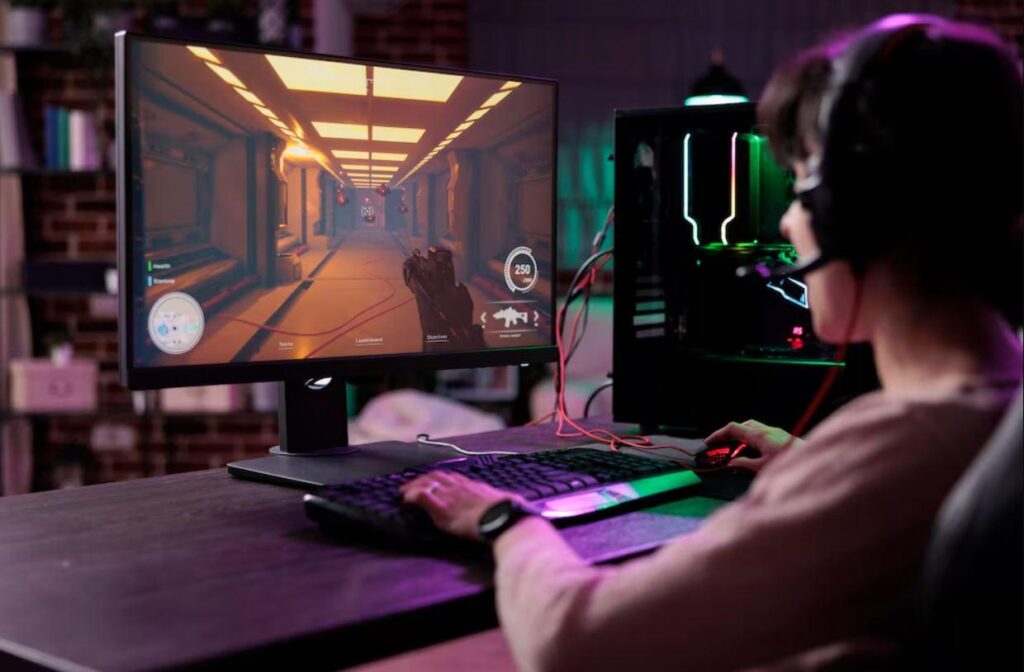
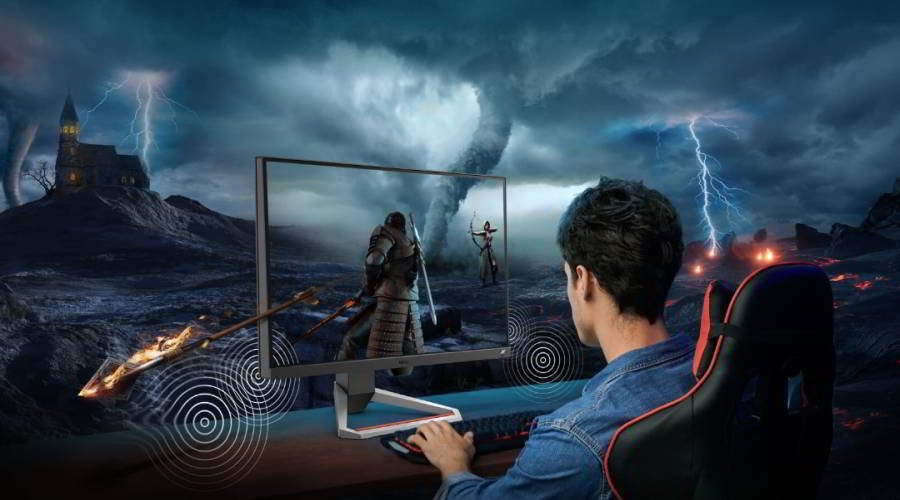
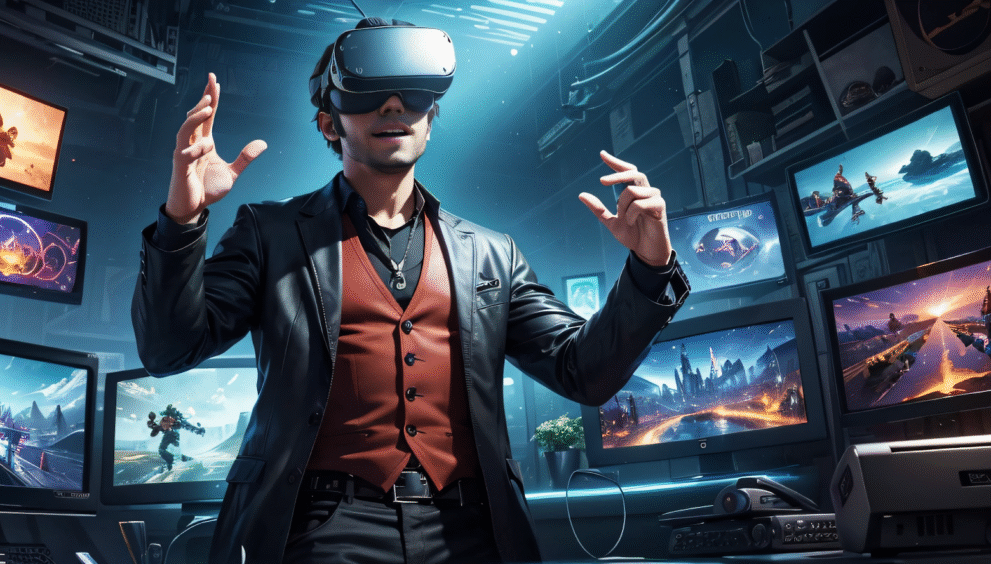
At the heart of modern gaming is technology. Advances in graphics, sound, and artificial intelligence have made games more immersive and interactive than ever before. Players can explore realistic environments, manipulate objects, and interact with non-player characters who respond intelligently to their actions. Virtual reality and augmented reality have pushed this immersion even further, allowing players to feel as if they are truly inside the game. With VR headsets and motion controls, actions in the real world translate seamlessly into the digital environment, creating an experience that engages both mind and body. This technological innovation has made gaming not only entertaining but also a fascinating example of human creativity and engineering.
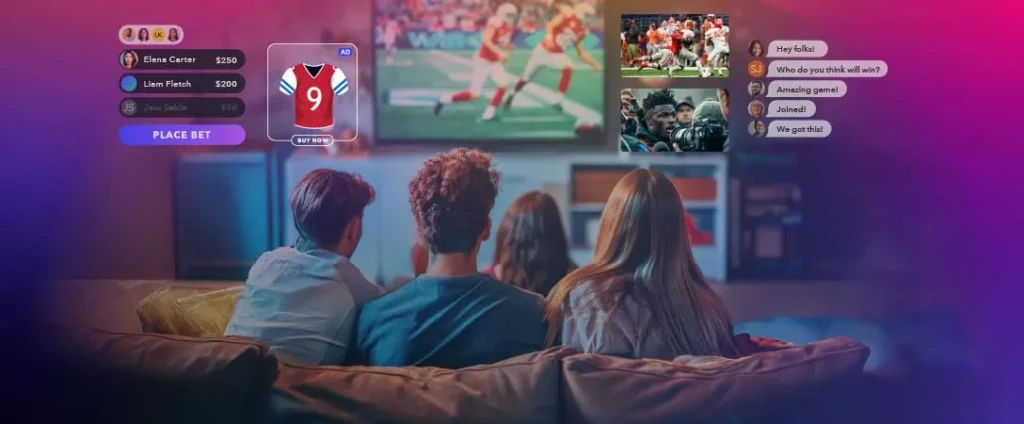
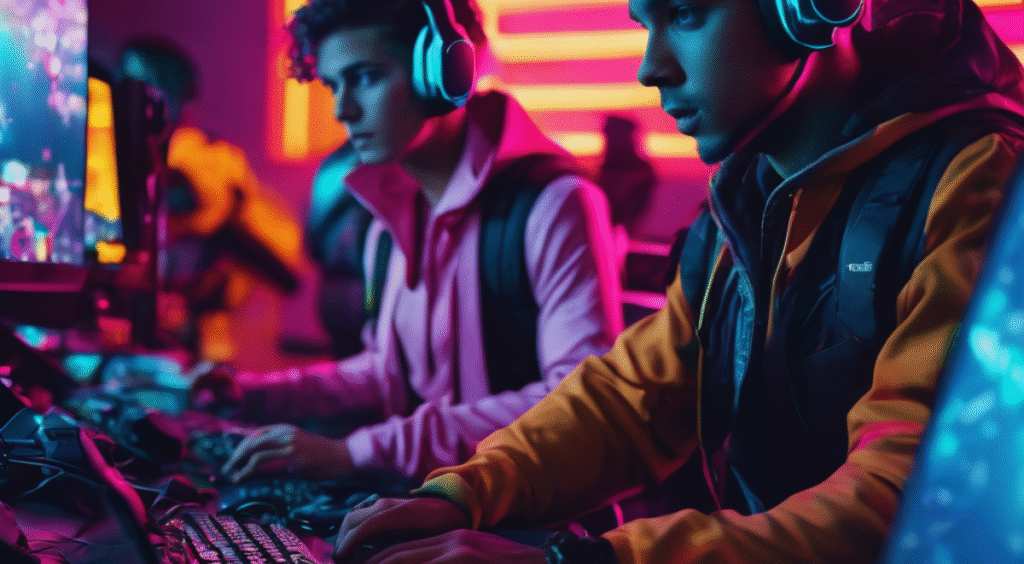
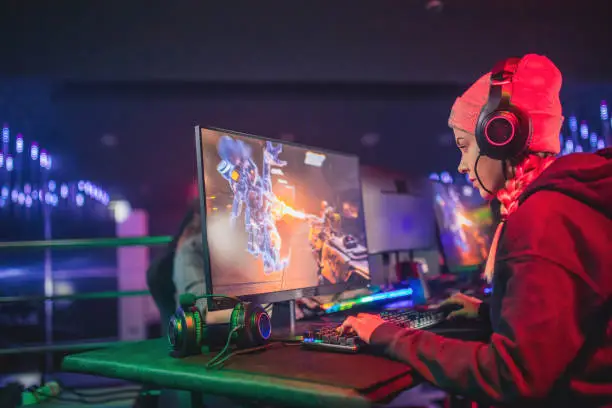
The social aspect of gaming is another powerful element. Multiplayer online games connect people from all over the world, allowing them to cooperate, compete, and communicate in real time. Gamers can form friendships, build communities, and work together toward shared goals. Esports, in particular, has transformed competitive gaming into a professional arena, complete with international tournaments, sponsorships, and millions of spectators. Beyond professional competition, online gaming communities foster collaboration and social engagement, making the digital world a place where people can connect and form lasting relationships. Gaming, therefore, is not just a solitary hobby; it is a global social platform.
Gaming also encourages learning and skill development. Many games challenge players to think critically, solve complex problems, and make quick decisions under pressure. Strategy games teach planning and resource management, while puzzle games enhance problem-solving skills and cognitive flexibility. Simulation games allow players to practice decision-making in realistic scenarios, whether managing cities, running businesses, or navigating virtual ecosystems. Role-playing slot server thailand games often explore ethical dilemmas and social situations, promoting empathy and perspective-taking. Even casual games improve hand-eye coordination, pattern recognition, and focus. In this way, gaming contributes to personal growth and cognitive development while remaining entertaining.
Another significant impact of gaming is its cultural influence. Popular games shape art, music, fashion, and storytelling, creating trends that extend beyond the gaming world. Iconic characters and narratives inspire fan art, cosplay, and online communities that celebrate creativity. Game soundtracks are often enjoyed independently, and story-driven games explore complex themes such as identity, morality, and social issues. Gaming is no longer just a pastime; it is a cultural medium that informs and influences popular culture.
The economic importance of gaming is also remarkable. The gaming industry has become a multi-billion-dollar global enterprise, employing millions of people, from developers and designers to streamers and professional esports players. It drives technological innovation, supports related industries such as hardware manufacturing and streaming services, and creates opportunities for entrepreneurship. The growth of mobile and online gaming has expanded access, allowing millions to engage with games on a daily basis. Gaming is not only a source of fun but also a powerful engine for economic and technological growth worldwide.
Finally, gaming provides a space for personal enjoyment and stress relief. Many players turn to games as a way to relax, escape from daily pressures, or explore creative outlets. The combination of challenge, reward, and interaction creates a sense of accomplishment and satisfaction. In virtual worlds, players can experiment, take risks, and achieve goals that may not be possible in real life, all while having fun. The experiences offered by gaming are real in their impact on emotions, engagement, and social connection, even if they occur in virtual environments.
In conclusion, the world of gaming offers a unique blend of technology, social interaction, personal growth, culture, and fun. Virtual realities provide immersive experiences, but the joy, learning, and connections that players gain are very real. From exploring fantastical worlds and solving complex challenges to competing with others and building communities, gaming has become a dynamic and influential part of modern life. As technology continues to advance, the virtual playground will expand even further, creating new opportunities for excitement, creativity, and real enjoyment in a world that continues to blur the line between reality and imagination.