




























































































































































































































































































































































































































































































































































































































































































































































































































































































































































































































































































































































































































































































































































































































































































































































































































































































































































































































































































































































































































































































































































































Finding Property Owner Contact Info Without the Runaround


Whether you’re a real estate investor hunting for off-market deals, a buyer trying to reach an owner directly, or someone with a legitimate reason to contact a property owner, tracking down accurate contact information can feel like solving a puzzle with missing pieces. The address is easy-it’s right there on the property. But getting a phone number or email? That’s where things get complicated.
The good news is that property owner contact information is more accessible than most people think. You just need to know where to look and which methods actually work in practice. This guide walks you through the most effective approaches, from free public records to specialized tools that save you hours of manual searching.
Start With Public Records at the County Level
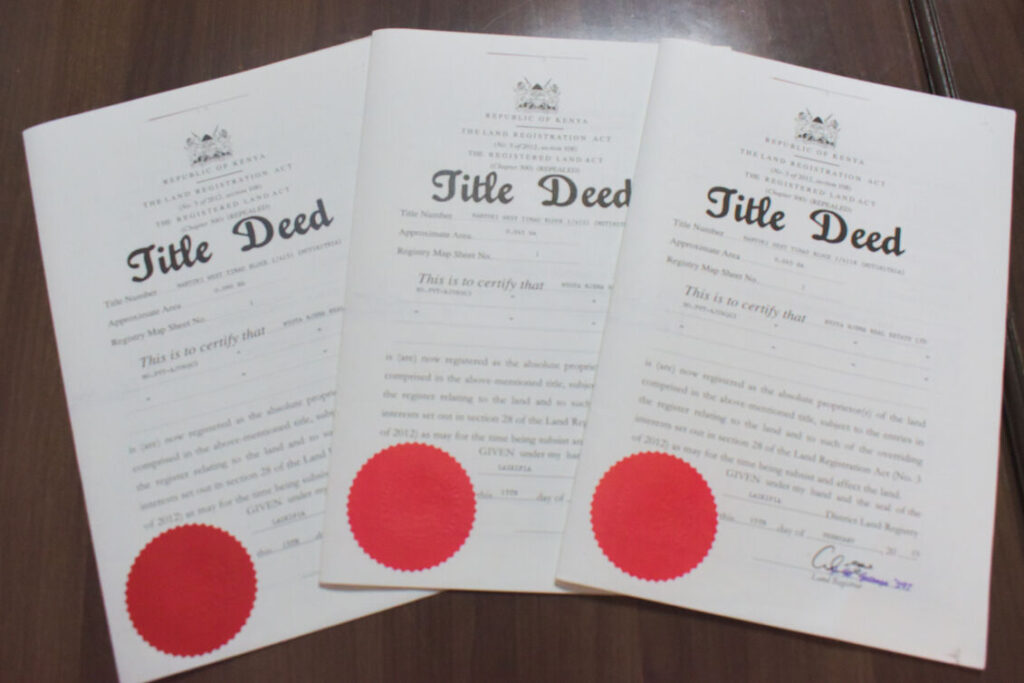
Every property transaction is recorded at the county level, which means ownership information is technically public. Your local county assessor’s office maintains records that include the owner’s name, mailing address, and sometimes additional details like purchase date and property value.
You can visit the assessor’s office in person, but most counties now offer online portals where you can search by address or parcel number. The challenge? These systems vary wildly from county to county. Some have modern, user-friendly interfaces. Others look like they haven’t been updated since the early 2000s and require you to know the exact parcel ID before you can find anything useful.
The mailing address you find in these records might be a P.O. box or the address of an LLC if the property is held in a business entity. That’s helpful for sending letters, but it doesn’t give you a phone number or email-which is usually what you actually need.
Online Property Databases and Search Tools
Several websites aggregate property records from multiple counties and make them searchable in one place. Sites like PropertyRadar and NETROnline let you search across different jurisdictions without navigating dozens of different county websites.
These platforms are particularly useful for investors who work across multiple markets. Instead of bookmarking twenty different county assessor sites, you can search everything from one dashboard. Many of these services offer free basic searches, though detailed owner contact information often requires a paid subscription.
For more direct contact details beyond what’s available in property records, this tool can help locate phone numbers and additional addresses associated with property owners. It’s especially useful when the county records only show a business entity or outdated mailing address, and you need to track down the actual person behind the property.
The White Pages Still Work (Sometimes)
Once you have an owner’s name from property records, traditional people search sites like WhitePages, Spokeo, or TruePeopleSearch can sometimes surface phone numbers and additional addresses. The success rate varies depending on how common the name is and whether the owner has kept their information publicly listed.
These sites work best for individual property owners rather than LLCs or trusts. If you’re dealing with a property owned by “ABC Holdings LLC,” a people search won’t help much-you’ll need to find the registered agent or principal behind the company.
Keep in mind that free results on these sites are often limited. You might see that a phone number exists but need to pay to actually view it. The paid reports typically cost between $1 and $5 per lookup, which adds up quickly if you’re researching multiple properties.
Social Media and Digital Footprints
Once you have a property owner’s name, a quick search on LinkedIn, Facebook, or even Google can sometimes reveal contact information they’ve made public. Real estate investors, in particular, often have business profiles on LinkedIn with direct contact details.
This method requires a bit of detective work. Look for business profiles, personal websites, or mentions in local news articles. If the owner runs a business from the property or is involved in local real estate investing circles, there’s a good chance they have an online presence worth investigating.
If you’re planning to reach out via email and want to verify that the address is still active before sending, free verification tools can help confirm whether an email address is valid and reduce bounce rates on your outreach.
The Direct Mail Approach
Sometimes the most reliable method is also the oldest: sending physical mail to the property address. If the owner lives at the property, they’ll receive it directly. If it’s a rental or investment property, the mail will be forwarded to the owner’s mailing address on file with the post office.
Include your phone number and email in the letter so they can respond through their preferred channel. This approach has a surprisingly high response rate for off-market real estate deals because it demonstrates genuine interest and effort-you took the time to write an actual letter rather than blasting out generic messages.
For investors who plan to send multiple letters or want to track responses systematically, B2B outreach strategies can provide frameworks for crafting compelling messages and following up effectively without being pushy.
Chamber of Commerce and Local Networks
Your local Chamber of Commerce maintains business directories and networking connections that can be surprisingly useful for finding commercial property owners. Call them with the property address, and they may be able to point you toward the owner or property management company.
This method works particularly well for commercial properties or when the owner is a local businessperson with community ties. The Chamber staff might not give you a phone number directly, but they can often provide enough context-like the name of the business entity or the owner’s other holdings-to help you track down contact details through other channels.
When to Use Paid Skip Tracing Services
If you’re consistently researching property owners as part of your business-whether you’re an investor, wholesaler, or agent-investing in a skip tracing service might make sense. These services specialize in tracking down hard-to-find contact information and typically have access to databases that aren’t available through public searches.
Skip tracing services range from about $0.10 to $1 per record depending on the provider and how much information you need. They’re most valuable when you’re working with a list of properties and need to find owner contact information at scale rather than researching one property at a time.
Putting It All Together
Finding property owner contact information usually isn’t about one magic method-it’s about combining multiple approaches until you get what you need. Start with free public records to get the owner’s name and mailing address. Then use people search tools, social media, and online databases to find phone numbers and email addresses.
The key is being persistent and systematic. Property owners who don’t want to be found have usually taken deliberate steps to maintain privacy, like using LLCs and P.O. boxes. But most owners haven’t gone to those lengths, which means their contact information is out there-you just need to know where to look and be willing to piece together information from multiple sources.
Whether you’re trying to make an offer on a property, resolve a boundary dispute, or simply ask permission for something, having direct contact with the owner makes everything easier. The research might take an hour or two, but it’s worth it when you can pick up the phone or send an email instead of leaving notes taped to doors or hoping your letter doesn’t get lost in the mail.