






































































































































































































































































































































































































































































































































































































































































































































































































































































































































































































































































































































































































































































































































































Why Your Jewelry Changes Over Time (and What It Says About How You Wear It)

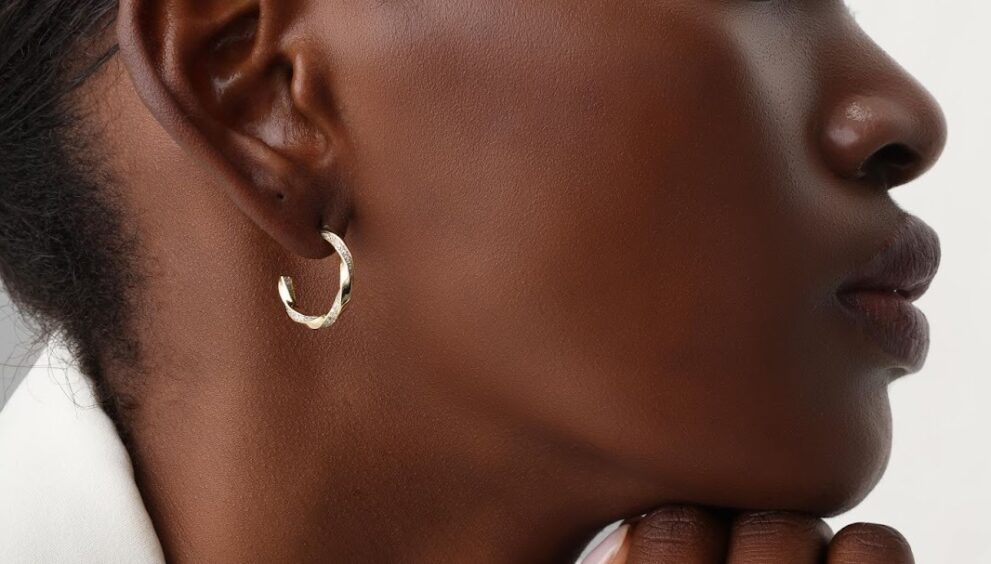
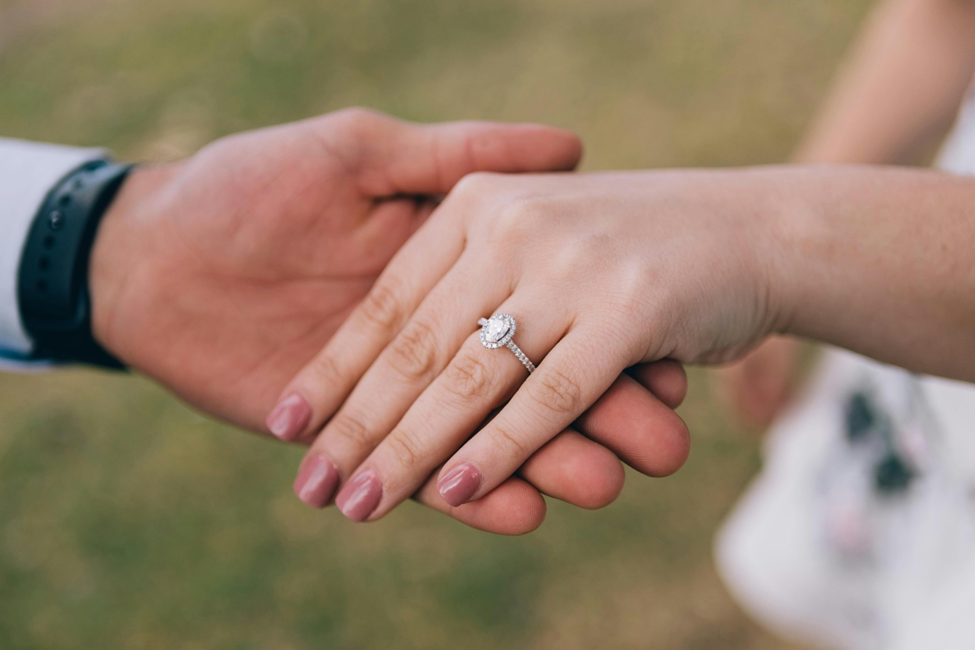
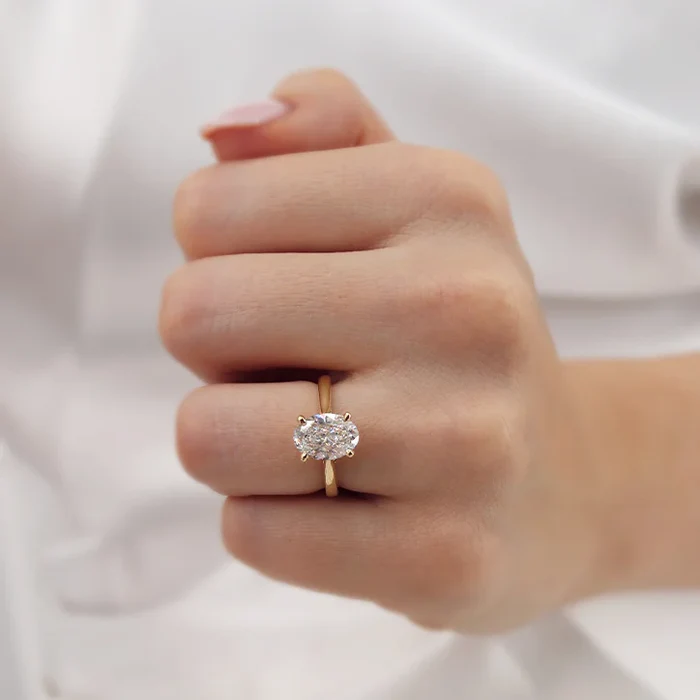
Jewelry is often treated as something static. You buy it, you wear it, and it is expected to look the same years later. When it does not, the reaction is usually frustration or confusion. A ring loses its shine. A necklace feels different against the skin. An earring leaves a faint mark that was never there before.
Most people assume this means something is wrong with the jewelry.
In reality, it usually means the jewelry is doing exactly what materials tend to do when they interact with real life.
Jewelry lives with you, not in a box
The biggest misunderstanding about jewelry is that it exists separately from the body. It does not.
Jewelry absorbs heat, moisture, friction, and residue every time it is worn. Skin produces oils. Products leave traces. Even the environment plays a role. Humidity, temperature, and daily movement all affect how metals behave.
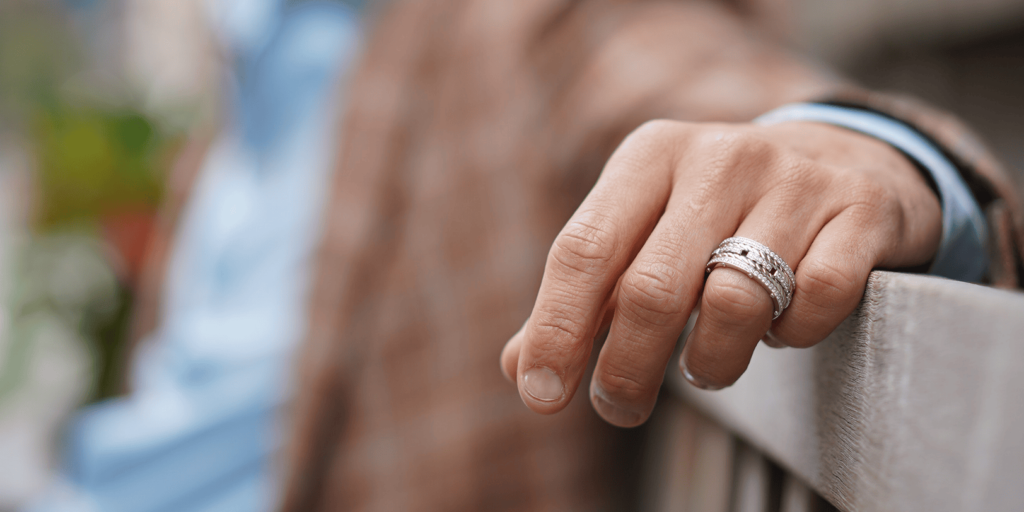
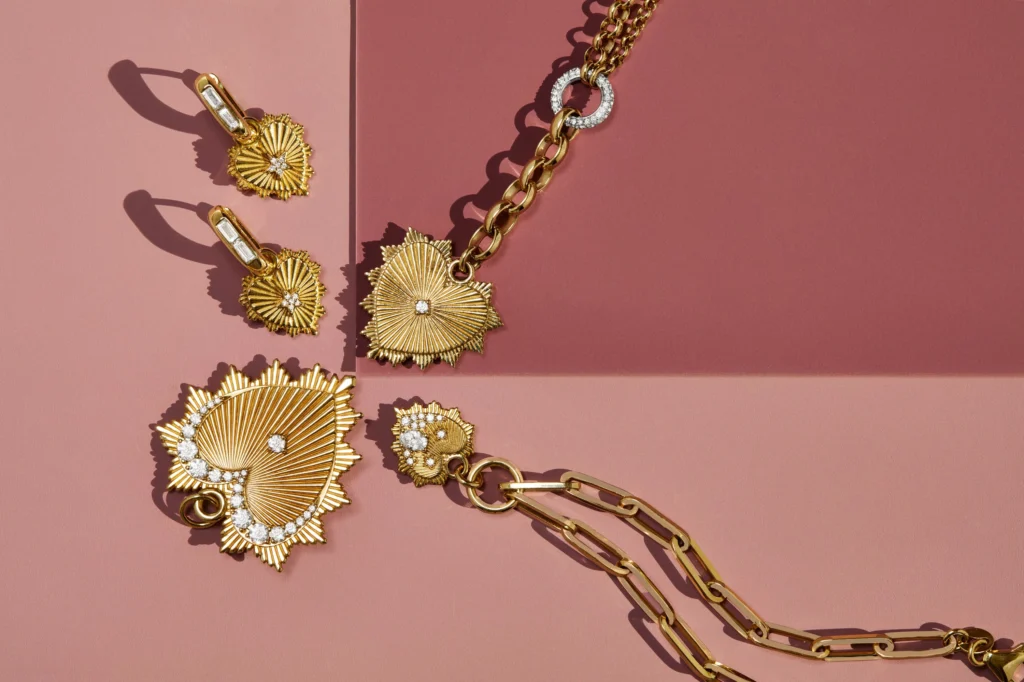
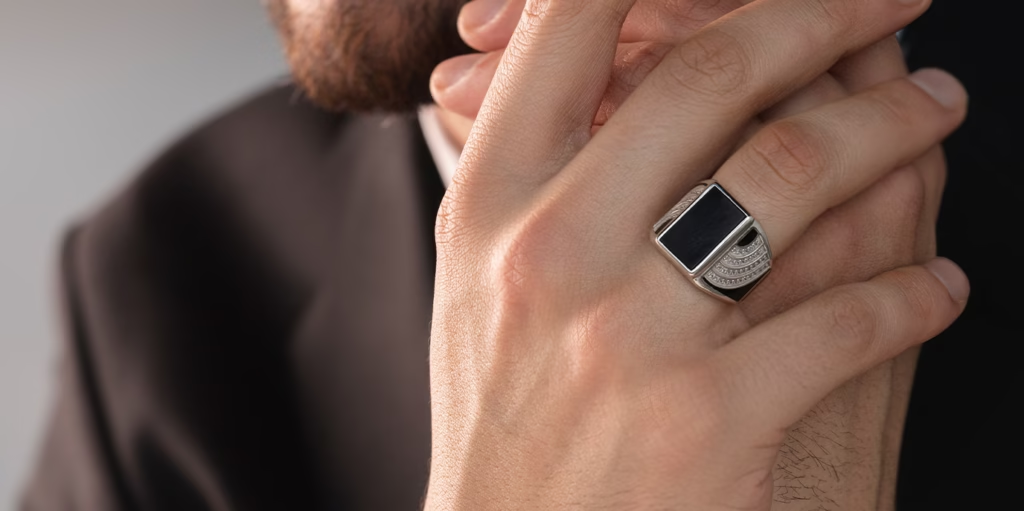
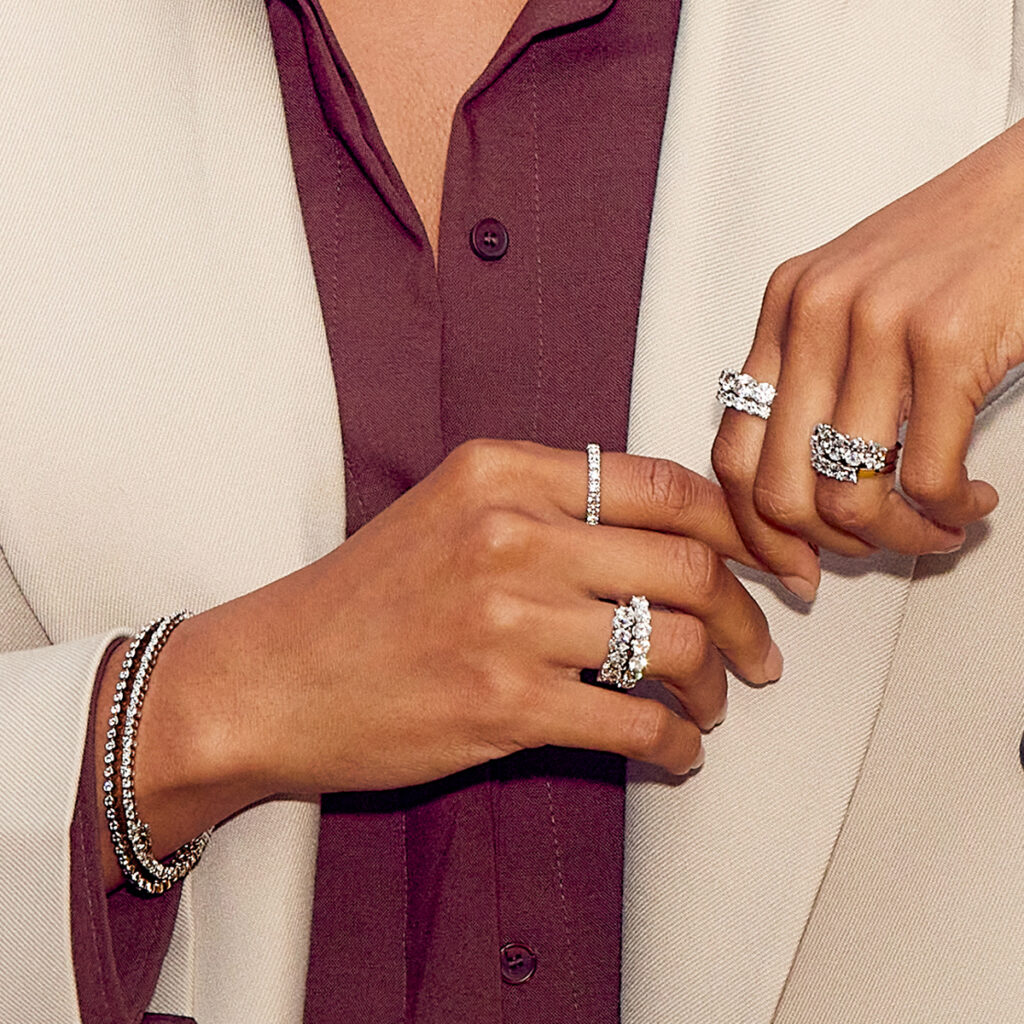
This is why two identical pieces can age very differently depending on who wears them and how often. Jewelry that is worn daily develops a relationship with the wearer. That relationship leaves marks, sometimes visible ones.
Metals react differently to everyday life
Not all metals respond the same way to wear.
Some are more stable. Others are more reactive. Some are designed to patina slowly, while others are meant to remain visually unchanged for as long as possible.
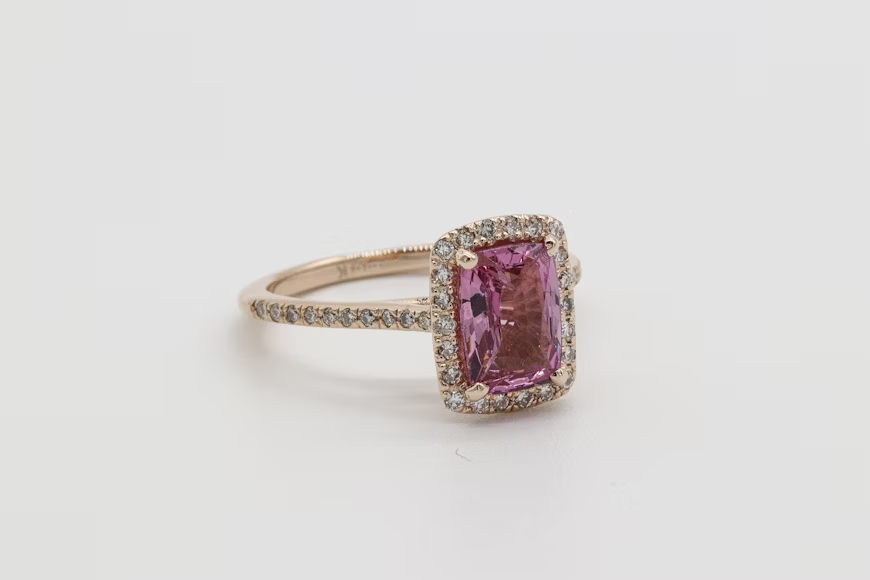
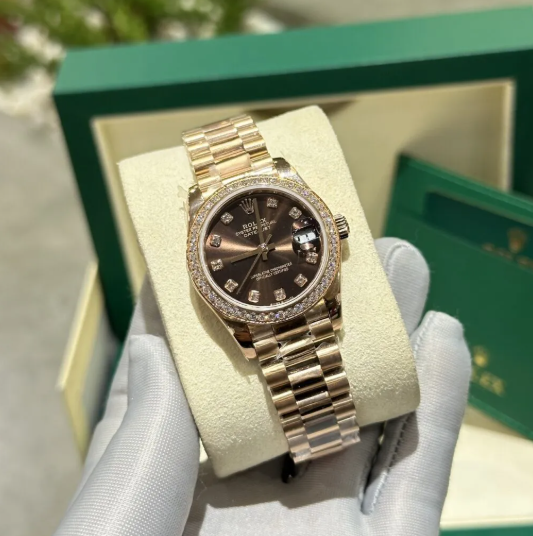
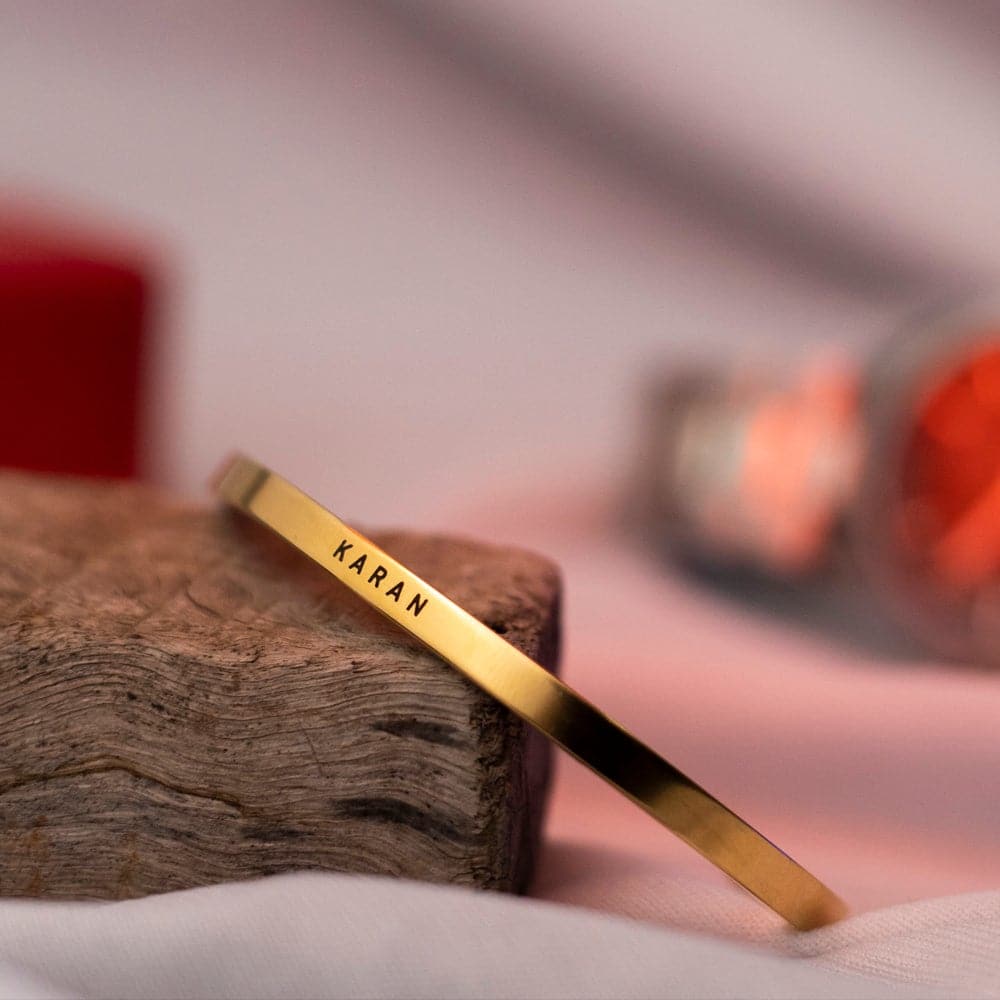
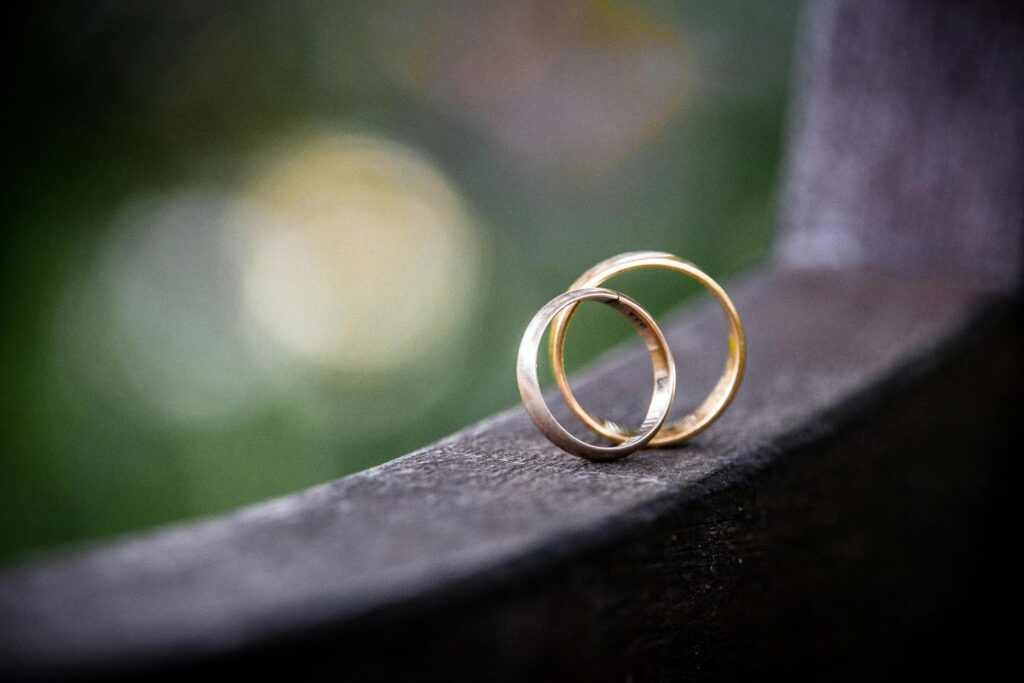
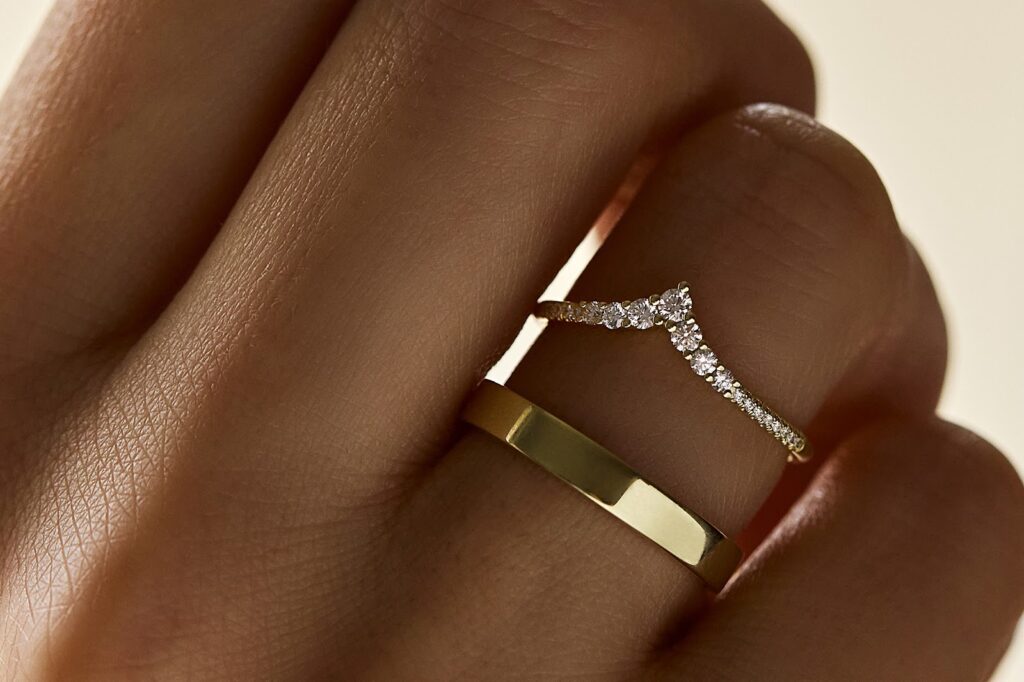
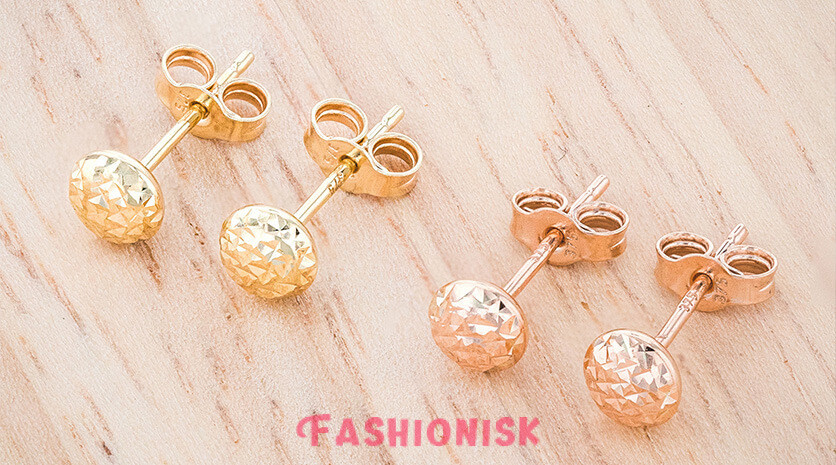
Gold, for example, is often assumed to be inert. Pure gold is. But most jewelry is not pure gold. It is mixed with other metals to improve durability. Those metals can respond to sweat, skincare products, and moisture in subtle ways. This is why questions like does gold turn green come up so often, especially when people start wearing certain pieces more frequently.
This does not mean the jewelry is poor quality. It means the material is interacting with its environment.
When changes become noticeable
Some changes happen slowly and are barely perceptible. Others show up more suddenly.
A piece may lose its original brightness. The surface might appear dull or uneven. In some cases, faint discoloration can appear on the skin itself. These moments tend to catch people off guard because they challenge assumptions about what jewelry is supposed to do.
The instinct is often to blame the skin or assume the piece is defective. Neither explanation is usually accurate.
Lifestyle matters more than people think
How jewelry is worn matters just as much as what it is made of.
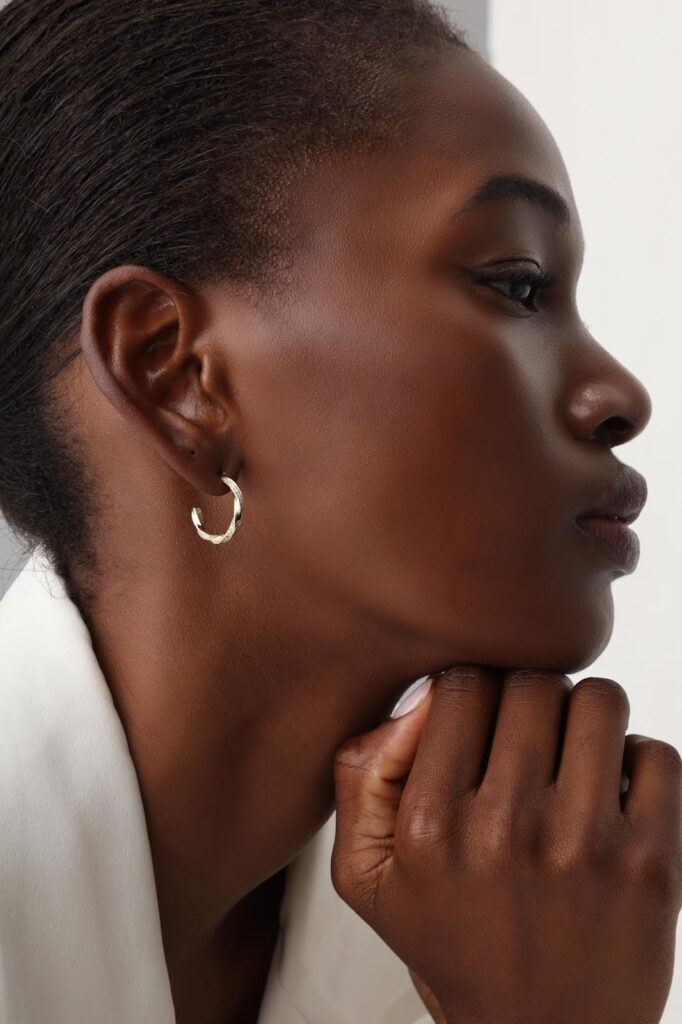
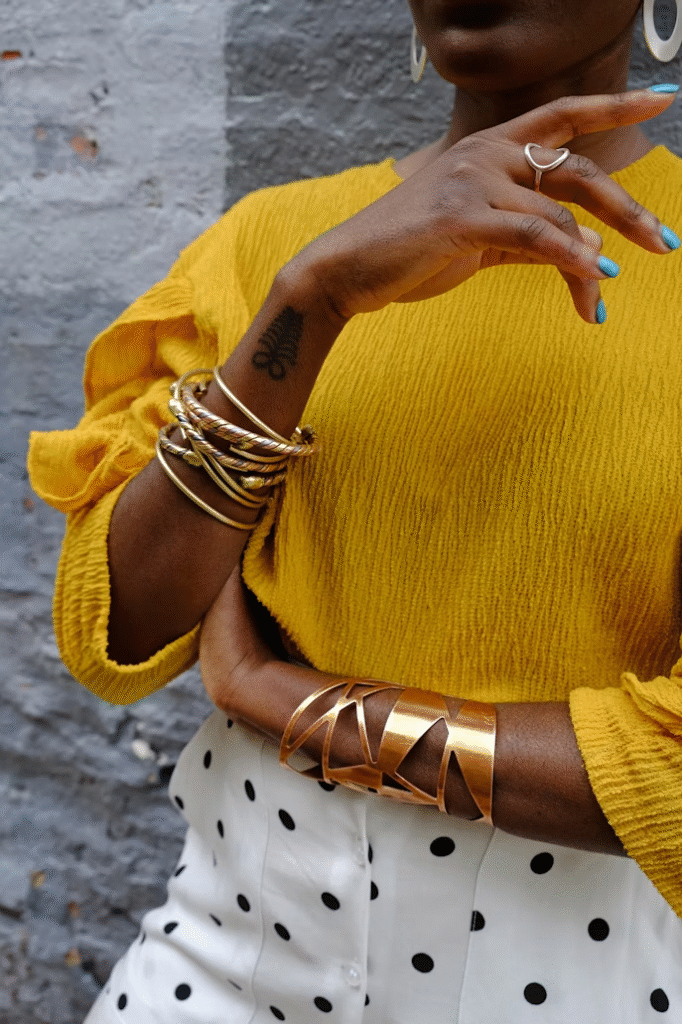
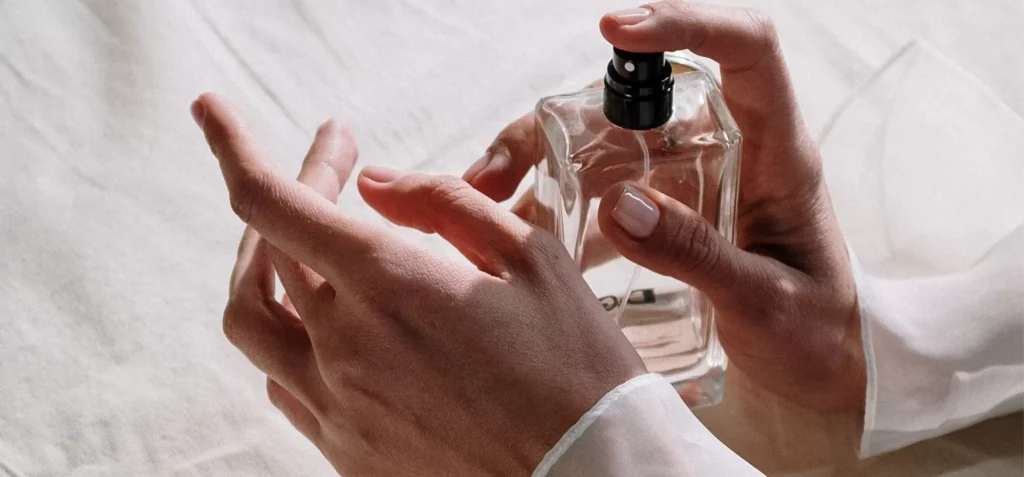
Pieces worn during workouts, long workdays, or frequent hand washing experience more stress than jewelry worn occasionally. Rings and bracelets encounter friction constantly. Earrings and necklaces interact with hair products, perfumes, and cosmetics.
Even small habits add up over time. Putting jewelry on before applying lotion. Wearing pieces in hot weather. Storing items while still slightly damp. None of these actions are unusual, but together they influence how metals age.
This is why jewelry care advice often sounds repetitive. The basics matter because they address daily exposure, not rare accidents.
Why some people experience reactions and others do not
Skin chemistry varies. So does sensitivity.
Some people can wear the same piece for years without noticing any change. Others see reactions quickly. This difference is not random. Factors like pH levels, sweat composition, and even stress can influence how metals respond.
This is also why one person’s experience cannot always predict another’s. Jewelry behavior is personal, not universal.
Understanding reactions instead of fearing them
Visible reactions such as faint green marks tend to generate the most concern, and understanding why gold jewelry can leave green marks on skin often helps explain what is actually happening beneath the surface.
In reality, these reactions are usually chemical interactions between metal alloys and external elements. Understanding what causes them removes much of the anxiety surrounding wear.
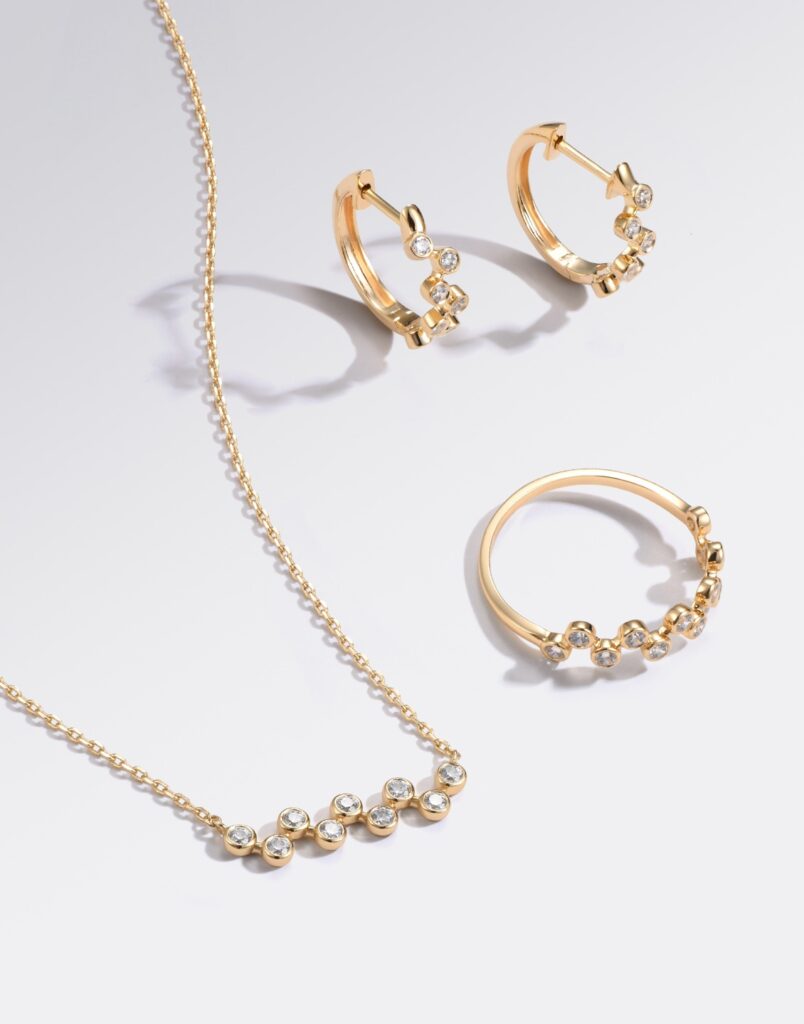
Choosing jewelry that fits real life
Modern jewelry buying is shifting. People are less interested in pieces that only look good in theory. Wearability matters.
This does not mean avoiding certain metals or styles. It means choosing pieces with an understanding of how they will behave over time. Jewelry designed for everyday wear tends to prioritize stability, comfort, and material balance. Jewelry designed for occasional wear often prioritizes visual impact.
Neither approach is wrong. Problems arise only when expectations do not match reality.
Why change does not mean failure
Jewelry is not frozen in time. It evolves.
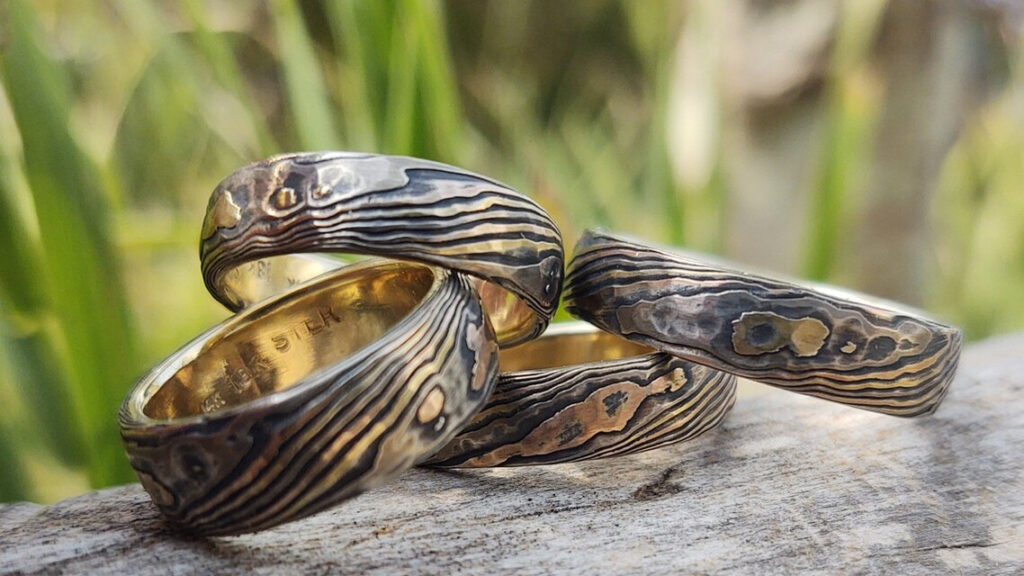
A slight patina, softened edges, or subtle shifts in finish often reflect use rather than damage. These changes can even add character, especially in pieces worn frequently.
Understanding this reframes how people think about longevity. Jewelry that changes slightly but remains comfortable and wearable often serves its purpose better than pieces that remain pristine but unused.
The quiet value of informed choices
Most jewelry frustration comes from mismatched expectations. People expect materials to behave in ways they were never designed to.
Learning how metals respond to daily life gives wearers agency. It allows them to choose pieces that align with their habits instead of working against them.
When jewelry fits into life naturally, it stops being something you manage and starts being something you enjoy.